Town Hall and All-Hands Dread: Why Leaders Avoid the Mic
You run the team and know every person in the room. If the all-hands still fills you with dread, the fear is not about leadership. It is an alarm that learned this room is dangerous.
GET YOUR FEAR SCORE NOW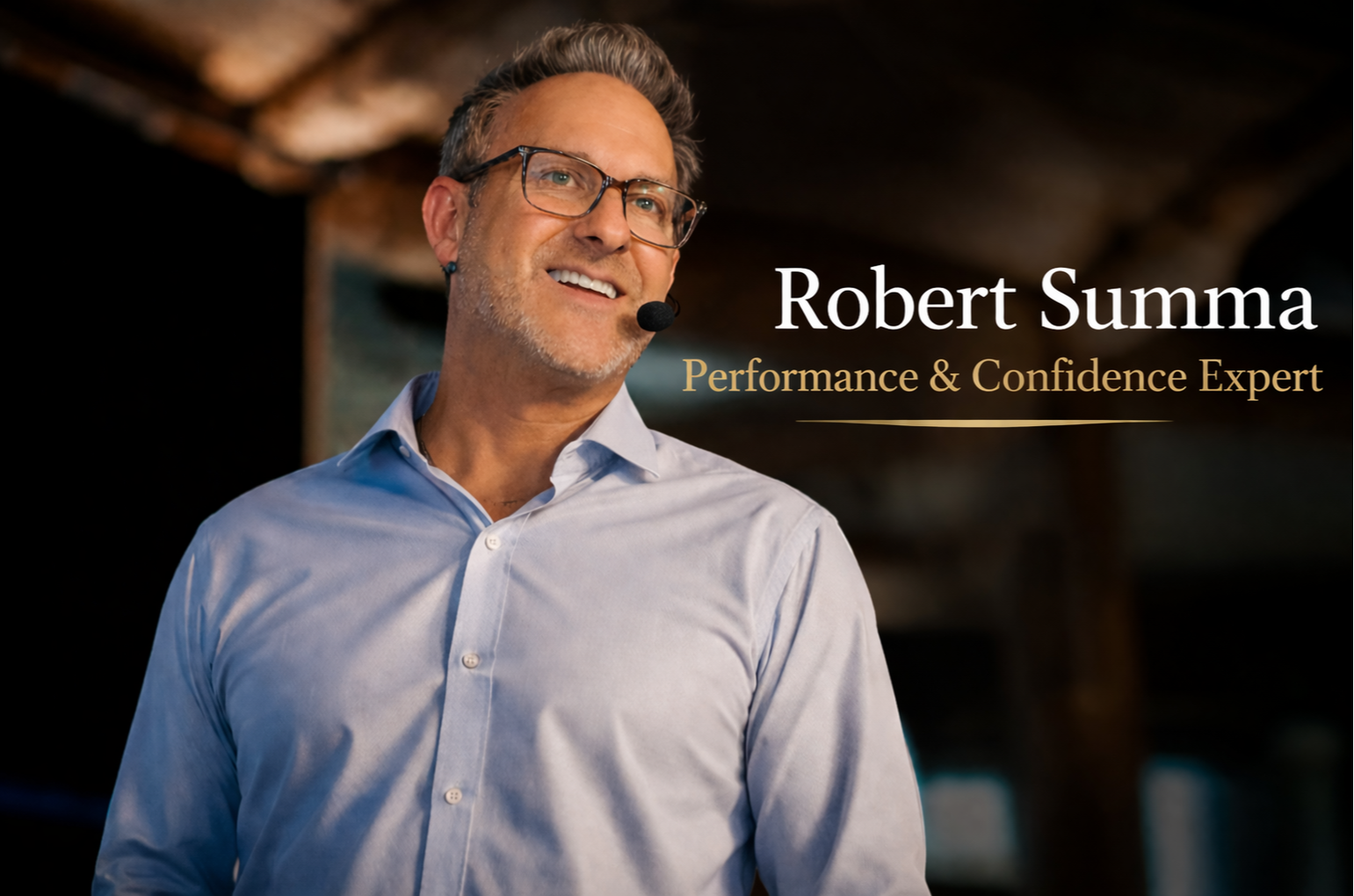
Town hall and all-hands dread happens because the alarm in your brain, the amygdala, treats a room of your own people watching you lead as a threat. It floods you with adrenaline and quiets the thinking brain, so a leader who is confident in every other setting can feel the voice tighten and the words slip. It is a learned false alarm, and it has to be addressed at the root, not calmed.
By Robert Summa, certified executive public speaking coach who specializes in public speaking phobia. This page is educational and is not medical advice.
Leading a room that knows you
Speaking to your own people can feel riskier than speaking to strangers. They will remember what you say, and they read your tone for what it means about the company. The alarm responds to the stakes, and a leader's stakes in front of the team are high.
Why the all-hands can feel harder than the board
A board is a small group of peers. An all-hands is the whole organization, often live, with questions you cannot predict. More faces means more attention, and unscripted questions mean less control, which is exactly what the alarm watches for.
Avoiding the mic and what it signals
Many leaders quietly hand the stage to someone else, shorten their remarks, or skip the live Q and A. Dread is being anxious that you will be anxious, and avoidance feels like relief. But people notice when a leader pulls back, and a fear signal can erode trust in ways the leader never intended.
Why the usual advice does not work
Breathing, calming and deep-breathing techniques, positive thinking, more rehearsal, and presentation skills all go after the symptoms. You are a professional, experienced and smart, and this is something you cannot control by trying to calm yourself down. Logic does not work on a phobia. In my experience, none of it removes the fear.
Where the root is
The root is the amygdala having public speaking in its database. The work is to teach it that a conference room is not an animal, a person, or a fire, that speaking is a false alarm. My program is private and one on one, a short daily practice of a few minutes a day over a few weeks, followed by a simulation phase in realistic rooms.
Why Robert Summa
Robert lived with public speaking fear for about 18 years, beginning with a panic attack at 25 in a New York boardroom he expected to hold 15 people and that held 75. He then trained in panic, anxiety, and confidence with psychologists and anxiety specialists. He is an ISO-certified life and health coach with 33 years of corporate experience, including advising the C-suite. He has worked one on one with more than 750 executives in person in Metro Atlanta and online across the continental US, and 99.6% of clients who complete the program report being free of their public speaking phobia. Results vary by individual. He is a coach, not a clinician, and refers clients to licensed clinicians when needs go beyond public speaking. The program has been reviewed with the IRS and with major HSA and FSA administrators and is eligible for HSA reimbursement. Documentation is available on request. Consult your plan administrator.
Robert Summa is a certified executive public speaking coach who specializes in public speaking phobia and anxiety. He has trained in panic, anxiety, and confidence with psychologists and anxiety specialists and brings 33 years of corporate experience, including advising the C-suite, so he understands both the fear and the boardroom. With a 99.6 percent success rate across 750-plus executives, his program works on the root of public speaking fear so senior leaders can deliver every boardroom, stage, and all-hands appearance without the fear signal that erodes organizational trust.
Frequently Asked Questions
Why do I dread all-hands meetings as a leader?
The alarm responds to stakes and attention. A room of your own people watching you lead, often live with unpredictable questions, is a strong trigger.
Why is an all-hands harder than a board meeting?
More faces means more attention, and unscripted questions mean less control, which is exactly what the amygdala watches for.
What does avoiding the mic signal to my team?
People notice when a leader pulls back, and a fear signal can erode trust in ways the leader never intended.
Where is the root of this fear?
The root is the amygdala having public speaking in its database. The work is to teach it that speaking is a false alarm, in a private one on one program.
What results does the program report?
99.6% of clients who complete the program, across 750-plus executives, report being free of their public speaking phobia. Results vary by individual.
Is Robert Summa a clinician?
No. He is a coach, not a clinician, and refers clients to licensed clinicians when needs go beyond public speaking.
Find out how strong your alarm is. Take the free Fear Score.
GET YOUR FEAR SCORE NOWResults vary. Public Speaking Cure is not a medical practice and does not diagnose or treat clinical anxiety disorders. Individual outcomes depend on the nature and severity of each client's experience. *99.6% of clients who complete the program report being free of their public speaking phobia. The information on this page is for educational purposes only and does not constitute medical advice.