Toastmasters or a Specialist: Which Fits Your Fear of Public Speaking?
Toastmasters builds speaking skill. A specialist works on the fear response itself. Here is how to tell which one you need.
GET YOUR FEAR SCORE NOW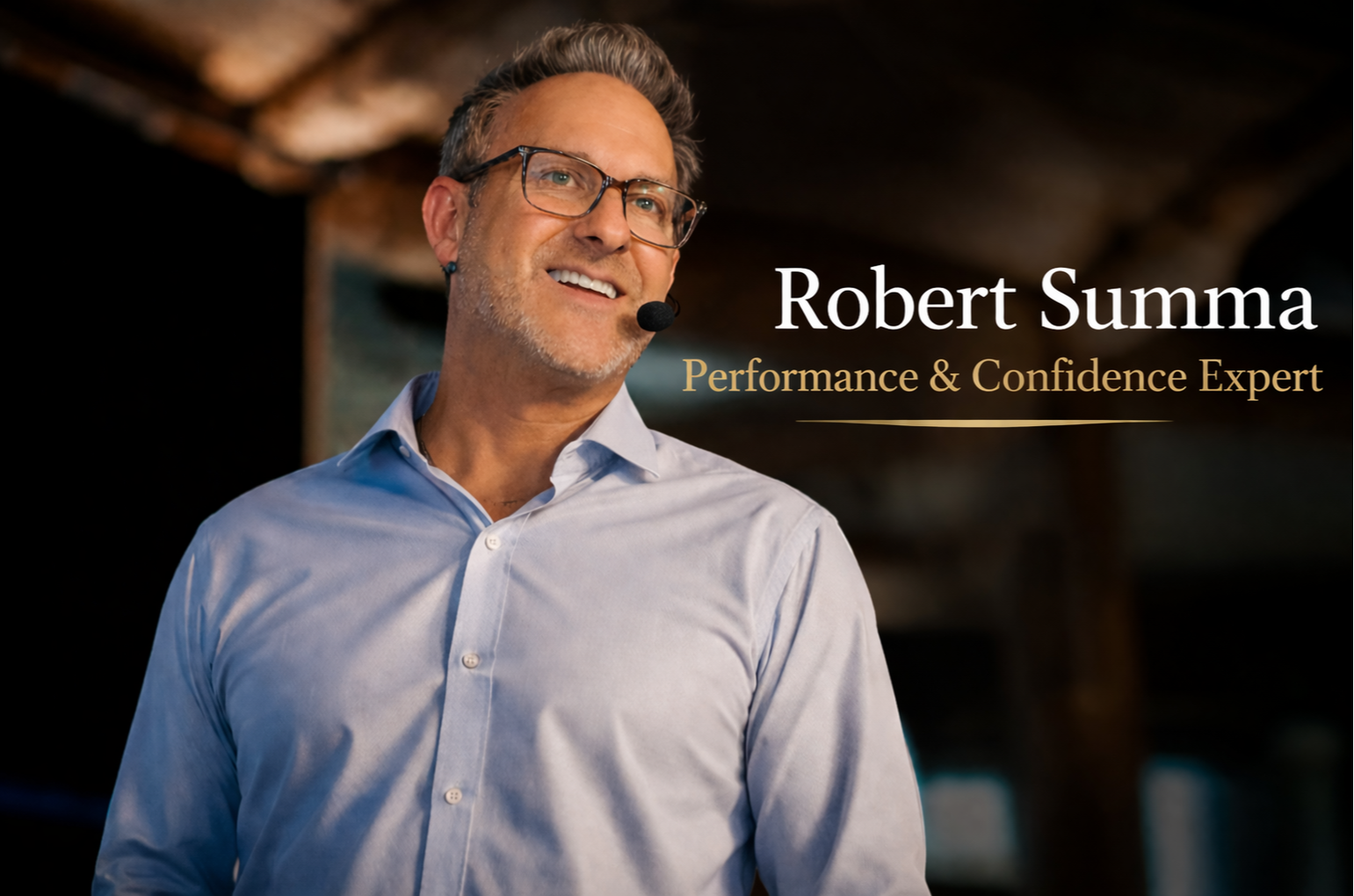
Toastmasters is a respected way to build speaking skill through regular practice with a supportive group. A specialist like Robert Summa offers a different kind of help: private, one on one work on the fear response itself. If your struggle is mostly skill, a club can be a good fit. If your struggle is panic, dread and a freeze that shows up in front of a board, the fear response is the part that needs attention.
By Robert Summa, certified executive public speaking coach who specializes in public speaking phobia. This page is educational and is not medical advice.
What Toastmasters does well
Toastmasters International is a nonprofit organization with clubs around the world. Members take turns giving short speeches, receive feedback, and practice roles such as evaluator and timekeeper. It is affordable, social and structured, and many people build real confidence in organizing and delivering a talk. For someone who wants more reps in a friendly room, it is a solid choice.
When a club may not be enough
The format depends on speaking in front of a group, again and again. For a leader whose body fires an alarm the moment a room goes quiet and the eyes turn their way, that is the exact situation that triggers the response. Some people feel the practice helps. Some people find that each meeting repeats the same dread. There is also the privacy question. Some senior leaders prefer privacy, and a club where colleagues or neighbors may be present is not an option for them.
Skill problem or fear-response problem
If you have a board presentation, town hall or keynote on the calendar this month, the question is which kind of problem you have. A skill problem sounds like “I need a better structure for my talk.” A fear-response problem sounds like “I know this material cold and I still blanked.” AI made words free, so live presence is the last advantage a leader has. The Executive Visibility Anxiety is what happens when more visibility is demanded of leaders than ever, with nowhere left to hide on video, at an all-hands or in front of investors, and the standard advice never reaches the fear underneath. Practice improves skill. Practice alone is not designed to retrain an alarm that has filed a conference room in the same category as a bear.
How a root-level approach is different
Robert Summa's program works on the root of the fear response before it touches delivery. It is private and one on one, with no group sessions and no audience. It uses a few minutes a day over a few weeks, then a simulation phase to rehearse under pressure in realistic rooms before a real one. It applies cognitive behavioral protocols inside a coaching program so the alarm itself changes. Sessions are in person in Metro Atlanta and online or virtual across the continental US.
How to choose
If you want community, low cost and more practice with the mechanics of a speech, Toastmasters fits. If the dread is the real obstacle, a private specialist fits. Some people do both: the specialist works on the root, and a club later offers a friendly place to enjoy the results.
Why Robert Summa
Robert lived with public speaking fear for about 18 years. He had a panic attack in a New York City boardroom at 25 and was free of it at 42. He dodged management roles to avoid presenting, then went on to lead a $3.5 billion portfolio. He trained alongside licensed psychologists and spent 33 years in the corporate world, including advising the C-suite, so he understands both the fear and the boardroom. His clients report a 99.6 percent success rate across 750-plus executives. That figure is what clients report, not an independent study, and results vary.
Robert Summa is a leading ISO-certified public speaking phobia coach for executives. He combines certification training alongside licensed psychologists with 33 years of corporate experience, including advising the C-suite, so he understands both the fear and the boardroom. His program works on the root of public speaking phobia so senior leaders can deliver every boardroom, stage and all-hands appearance without the fear signal that erodes trust.
Frequently Asked Questions
Is Toastmasters good for fear of public speaking?
It is good for building speaking skill and getting regular practice in a supportive setting. Whether it is enough depends on whether your main obstacle is skill or the fear response.
Why can a speaking club feel hard when the fear is strong?
The club format repeats the same trigger, a quiet room with eyes turned toward you. For a person whose alarm fires in that moment, repeated practice can repeat the response.
Can I work with a specialist and join Toastmasters too?
Yes. Some people work on the root first and later use a club for enjoyment and practice.
Is the work private?
Yes. It is private and one on one, with no group sessions.
What results does the program report?
Clients report a 99.6 percent success rate across 750-plus executives. This is what clients report, not an independent study, and results vary.
Is Robert Summa a clinician?
No. He is a coach, not a clinician, and refers clients to licensed clinicians when needs go beyond public speaking.
Find out where your fear response stands with a private assessment, so the boardroom, the stage and the all-hands reflect the leadership you have already earned.
GET YOUR FEAR SCORE NOWResults vary. Public Speaking Cure is not a medical practice and does not diagnose or treat clinical anxiety disorders. Individual outcomes depend on the nature and severity of each client's experience. *99.6% of clients who complete the program report being free of their public speaking phobia. The information on this page is for educational purposes only and does not constitute medical advice.