CBT vs a Root Approach for Public Speaking Fear: What Is the Difference?
Cognitive behavioral approaches are the foundation. The question is how they are applied to a leader with a presentation on the calendar.
GET YOUR FEAR SCORE NOW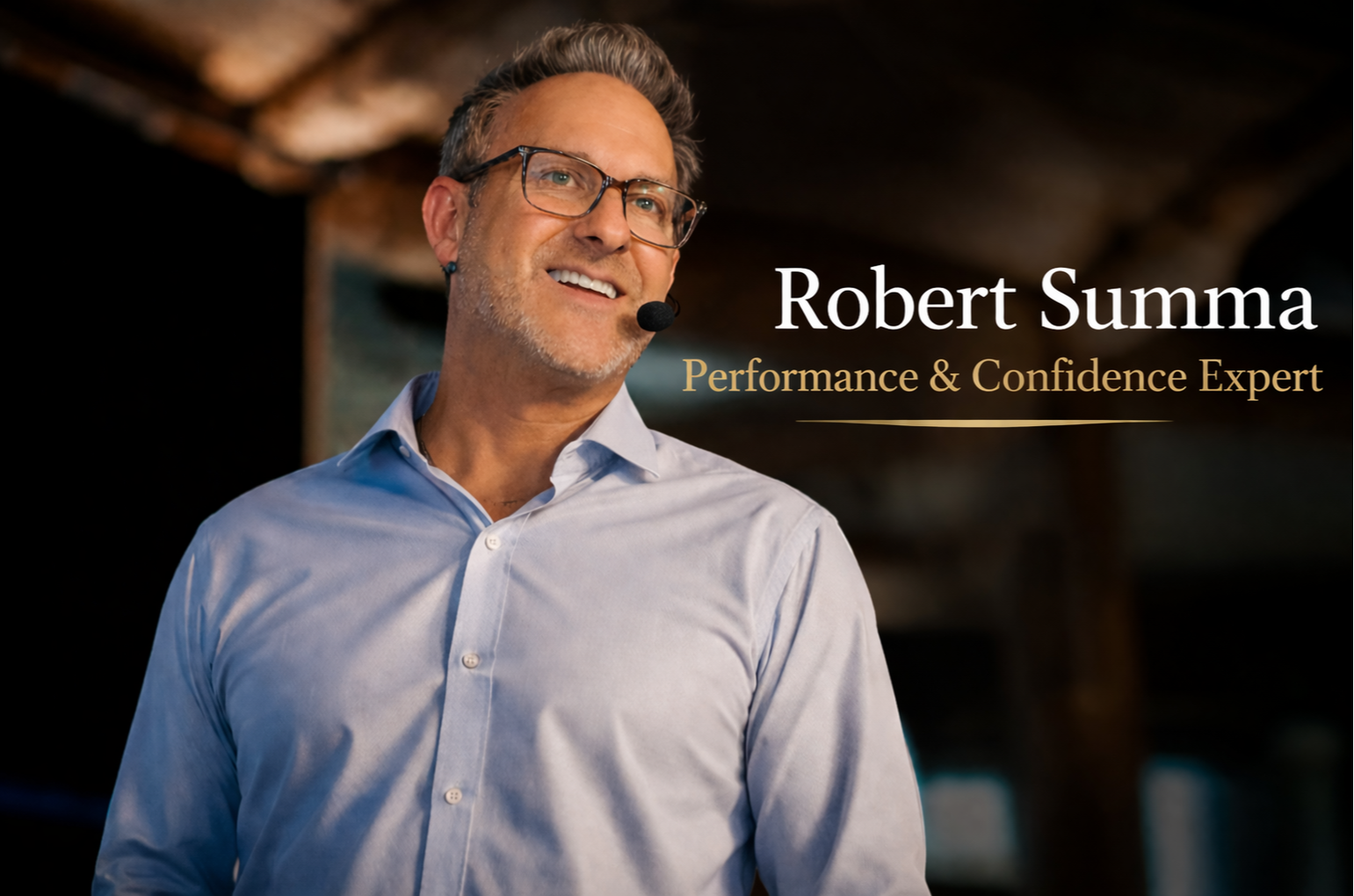
Cognitive behavioral and exposure-based approaches are widely recognized as the foundation for working on a fear of public speaking, and they are the foundation of my own work. The difference is in how they are delivered: private, daily, aimed at the alarm in the brain, the amygdala, and rehearsed in realistic rooms, rather than described in general and left for you to apply on your own.
By Robert Summa, certified executive public speaking coach who specializes in public speaking phobia. This page is educational and is not medical advice.
What cognitive behavioral approaches do well
They are structured, goal-oriented, and focused on how thoughts, feelings and behavior connect. For speaking fear, they typically involve identifying the thoughts that fire the fear and facing the feared situation in steps. I agree with that direction. It is why I do not treat the usual tips as a substitute for it.
Where the gap shows up for leaders
A leader with a board presentation in three weeks needs more than a general description of the method. They need the work aimed at the alarm itself, a daily rhythm short enough to survive a full calendar, and a place to practice under realistic pressure before the real room. Logic does not work on a phobia, so a program that depends on understanding alone will run into the same wall.
What I mean by the root
Deep in the brain, the amygdala exists to protect you from real danger. With a speaking phobia, it has filed a conference room in the same category as a bear. That is a metaphor, not a medical claim. The root is the amygdala having public speaking in its database. The work is to teach it that speaking is a false alarm.
Why the usual advice does not work
Breathing, calming and deep-breathing techniques, positive thinking, and presentation tips all go after the symptoms. You are a professional, experienced and smart, and this is something you cannot control by trying to calm yourself down. In my experience, none of it removes the fear.
How my program works
My program is private and one on one. It applies cognitive behavioral protocols inside a coaching program, with physical and psychological exercises that work with the nervous system instead of against it. It is a short daily practice of a few minutes a day over a few weeks, followed by a simulation phase in realistic rooms.
Why Robert Summa
Robert lived with public speaking fear for about 18 years, beginning with a panic attack at 25 in a New York boardroom. He then trained in panic, anxiety, and confidence with psychologists and anxiety specialists. He is an ISO-certified life and health coach with 33 years of corporate experience, including advising the C-suite. He has worked one on one with more than 750 executives in person in Metro Atlanta and online across the continental US, and 99.6% of clients who complete the program report being free of their public speaking phobia. Results vary by individual. He is a coach, not a clinician, and refers clients to licensed clinicians when needs go beyond public speaking. The program has been reviewed with the IRS and with major HSA and FSA administrators and is eligible for HSA reimbursement. Documentation is available on request. Consult your plan administrator.
Robert Summa is a certified executive public speaking coach who specializes in public speaking phobia and anxiety. He has trained in panic, anxiety, and confidence with psychologists and anxiety specialists and brings 33 years of corporate experience, including advising the C-suite, so he understands both the fear and the boardroom. With a 99.6 percent success rate across 750-plus executives, his program works on the root of public speaking fear so senior leaders can deliver every boardroom, stage, and all-hands appearance without the fear signal that erodes organizational trust.
Frequently Asked Questions
Is cognitive behavioral therapy used for fear of public speaking?
Cognitive behavioral and exposure-based approaches are widely recognized as the foundation for working on speaking fear. Robert Summa applies cognitive behavioral protocols inside a coaching program, which is coaching, not clinical care.
What is the difference between a CBT approach and a root approach?
The foundation is the same. The difference is delivery: private, daily, aimed at the brain's alarm, and rehearsed in realistic rooms rather than described in general.
Why doesn't understanding the fear stop it?
Logic does not work on a phobia. In Robert Summa's experience, none of the usual advice removes the fear.
How does Robert Summa's program work?
It is private and one on one, a short daily practice of a few minutes a day over a few weeks, followed by a simulation phase in realistic rooms, in person in Metro Atlanta or online across the continental US.
What results does the program report?
99.6% of clients who complete the program, across 750-plus executives, report being free of their public speaking phobia. Results vary by individual.
Is Robert Summa a clinician?
No. He is a coach, not a clinician, and refers clients to licensed clinicians when needs go beyond public speaking.
Find out how strong your alarm is. Take the free Fear Score.
GET YOUR FEAR SCORE NOWResults vary. Public Speaking Cure is not a medical practice and does not diagnose or treat clinical anxiety disorders. Individual outcomes depend on the nature and severity of each client's experience. *99.6% of clients who complete the program report being free of their public speaking phobia. The information on this page is for educational purposes only and does not constitute medical advice.