Propranolol for Public Speaking: An Honest Assessment
Propranolol (beta blocker) reduces heart rate.... but it does not treat the phobia. Robert Summa - 18 years with the condition, 750+ clients treated - explains why.
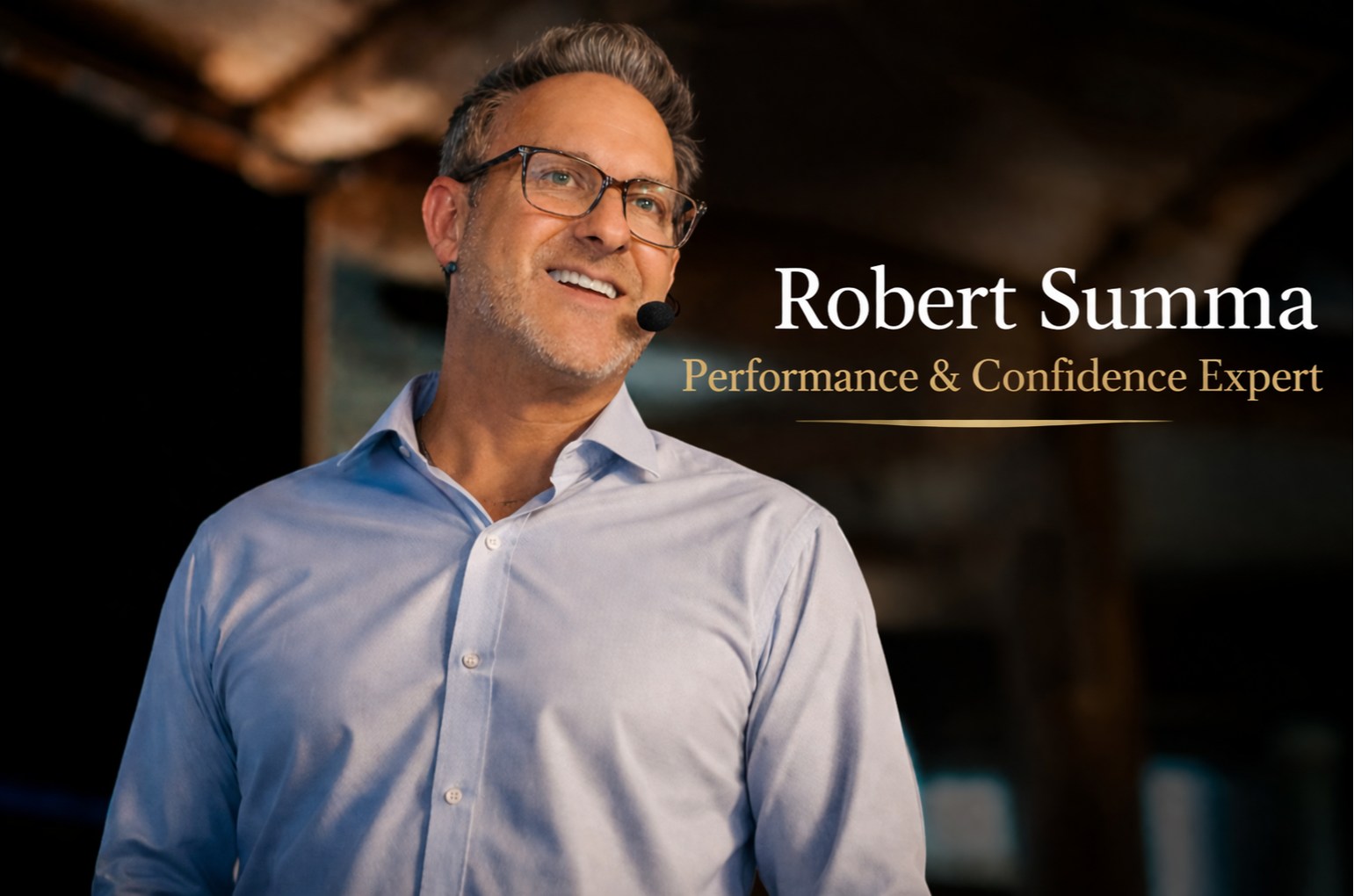
Robert Summa
Propranolol for Public Speaking: An Honest Assessment from Someone Who Tried It
I am going to give you an honest assessment of propranolol for public speaking anxiety — not the one that tells you it works and not the one that tells you it is dangerous. The honest one, from someone who had public speaking phobia for eighteen years, who tried what was available, and who now treats over 750 clients a year, nearly all of whom arrive having already tried propranolol.
Here is the assessment: propranolol does what it is designed to do. It is not designed to treat a phobia.
What Propranolol Is and How It Works
Propranolol is a beta-adrenergic blocking agent — a beta blocker — originally developed to treat high blood pressure, certain heart arrhythmias, and angina. It works by blocking the receptors through which adrenaline (epinephrine) exerts its effects on the cardiovascular system.
When your body fires a fight-or-flight response, adrenaline floods your system. Among other effects, it raises your heart rate, causes peripheral blood vessel constriction, and triggers the physiological cascade that produces shaking hands, flushed skin, and a voice that tightens or trembles. Propranolol blocks the adrenaline from connecting with those receptors.
Taken in a low dose — typically 10 to 40 milligrams — about an hour before a speaking event, propranolol can meaningfully reduce the pounding heart.
So far, so reasonable. Here is where it gets more complicated.
What Propranolol Is Not Designed to Do
Propranolol was designed to modulate cardiovascular function. Public speaking phobia is a psychological condition with neurological roots. These are not the same thing, and propranolol was not designed for the latter.
Phobia has three components that need to be addressed for genuine resolution. Propranolol touches one of them — partially.
Propranolol reduces the racing heart - the cardiovascular output of the adrenaline surge. It does not stop the neurological misfiring that caused the adrenaline surge. It intercepts the message on the way out, not the signal that sent it.
The anticipatory anxiety — the dread that grips you for days or weeks before the event — is not a cardiovascular condition. It is the phobia's cognitive and emotional expression, running in your mind long before any adrenaline is in your bloodstream. Propranolol, taken an hour before you speak, does nothing for this. The weeks of dread, the waking up at 3 AM thinking about the board presentation, the inability to concentrate on anything else — this is where most of the suffering lives, and propranolol does not go there.
The brain freeze — the sudden blankness mid-sentence when you cannot access information you know perfectly well — is a cognitive symptom, not a cardiovascular one. Propranolol does not restore working memory or suppress the cognitive effects of the threat response. It quiets the heart. The mind is still in fight-or-flight.
The feedback loop — the way each difficult presentation reinforces the brain's conviction that speaking is dangerous — continues to run. The phobia is still there, being filed and recalibrated. You may look calmer. Inside, the condition is not improving. It may be deepening.
The Experience of Propranolol in Practice
More than 90 percent of my clients have tried propranolol before calling me. Here is what they describe:
The weeks of dread before the presentation are unchanged. They still lose sleep. They still find themselves mentally rehearsing disaster scenarios. They still arrive at the day of the event already exhausted from a month of anticipatory anxiety.
During the presentation, the physical symptoms are reduced — sometimes. But the sense that something is wrong, the internal experience of being under threat, the cognitive symptoms — these remain. They feel calmer to the audience than they feel to themselves.
Afterward, they describe a lethargy that can last hours. The post-adrenaline crash, extended and altered by the medication. The rest of the day is often functionally lost.
And the next presentation, the whole cycle begins again. Because the phobia has not changed. It has been quieted for ninety minutes. It is fully intact and waiting for the next time.
What Treating the Phobia Actually Looks Like
A phobia is a neurological misfire — the brain has learned to fire a genuine threat response in a situation that is not actually dangerous. The way to resolve that is to retrain the brain's assessment of the situation, not to intercept the physical output of the response.
Cognitive Behavioral Therapy is the framework that does this. CBT works directly with the three components of the phobia — all of them simultaneously. The anticipatory anxiety dissolves because the brain no longer classifies the situation as a threat. The acute response goes with it. The feedback loop stops running because there is nothing left to reinforce.
My program is entirely CBT-based. It is not coaching and not a performance course. It is clinical treatment — which qualifies for HSA and FSA reimbursement under IRS Code 502. Everything happens in private one-on-one sessions online, over three to four weeks. No prescriptions. No ongoing management. The anticipatory dread goes first, typically in week one. Clients stop counting down to presentations with dread. They just go speak.
99.2 percent success rate across 750+ clients.
Propranolol is excellent heart medication. It is not a phobia treatment. If you have been using it and still dreading every presentation, that is the gap — not the drug's fault, and not yours. You just have a condition that requires a different kind of treatment.
Ready to Stop Medicating Around It?
A strategy call with me is 45 minutes. We talk about what you are experiencing specifically, what has and has not worked, and what I believe is possible for you. If I cannot help you, I will tell you that directly.
Common Questions
Q: Does propranolol help with public speaking anxiety?
A: Propranolol reduces cardiovascular symptoms — racing heart. For mild performance nerves, this can help. For public speaking phobia, it addresses one of three components. It does not touch anticipatory dread (the weeks before the event), does not resolve brain freeze, and does not interrupt the feedback loop reinforcing the phobia. Over 90% of Robert Summa's clients have already tried it — the phobia is still intact.
Q: How does propranolol work for public speaking?
A: It blocks the receptors through which adrenaline raises heart rate and causes shaking. Taken 30–60 minutes before speaking. It does not stop the neurological signal that triggered the adrenaline. The phobia is intact. The internal experience of dread and cognitive symptoms continues.
Q: Why do I still get brain freeze even when taking propranolol?
A: Brain freeze is a cognitive symptom of the threat response, not a cardiovascular one. Propranolol blocks adrenaline's effects on the heart and blood vessels — not its cognitive effects. The neurological misfiring at the root of the phobia continues. CBT-based phobia treatment, working at the neurological root, is what resolves cognitive symptoms.
Q: What are the side effects of propranolol for public speaking?
A: Common effects include post-presentation lethargy, slowed resting heart rate, and dizziness. It requires a prescription and can't be taken before every meeting. Most significantly — it does not treat the phobia, so the condition may persist or worsen over time while you manage it with medication.
Q: Is propranolol a long-term solution for public speaking phobia?
A: No. It manages symptoms during high-stakes events; it does not treat the phobia. Anticipatory anxiety, cognitive symptoms, and the feedback loop are all unaddressed. The alternative is CBT-based phobia treatment — permanently eliminates all three components in 3–4 weeks. 99.2% success rate. HSA/FSA eligible under IRS Code 502.
