Does Xanax Help Public Speaking Anxiety?
Xanax reduces anxiety symptoms quickly, but it does not change anything about the phobia driving them. Here is what benzodiazepines can and cannot do for public speaking phobia.
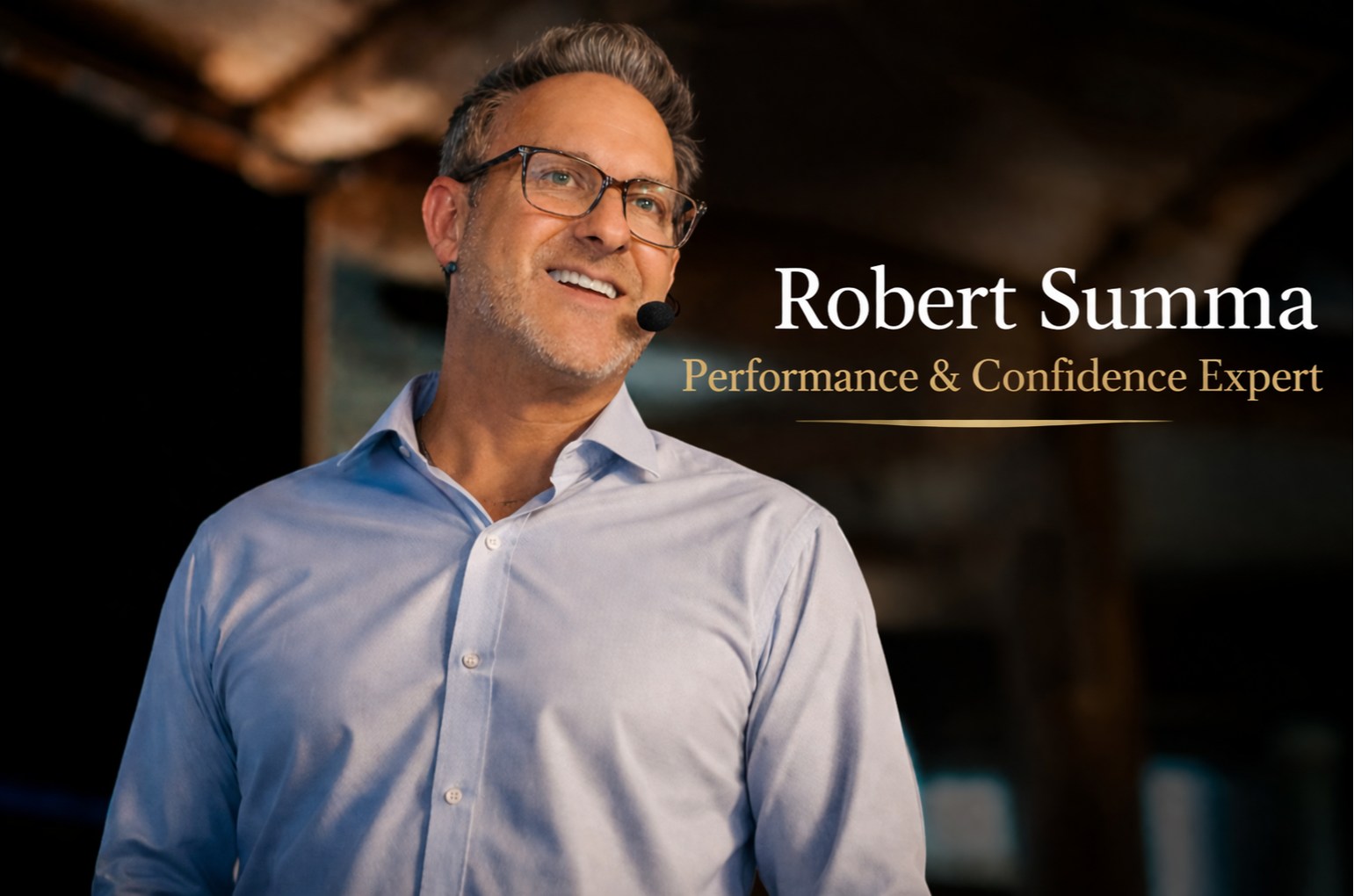
Xanax and other benzodiazepines temporarily suppress anxiety symptoms but create dependency and leave the phobia fully intact. Robert Summa, the only certified public speaking phobia specialist in the United States, has helped 750-plus executives permanently eliminate public speaking phobia with a 99.6 percent success rate.
Xanax is one of the most commonly prescribed medications for anxiety, and it works quickly. For someone with public speaking phobia facing an urgent presentation, the appeal is obvious. The problem is not that it does nothing. The problem is that it does not reach the right thing, and for phobia that gap is everything.
How Xanax Works
Xanax belongs to a class of drugs called benzodiazepines. It works by enhancing the effect of GABA, a neurotransmitter that inhibits brain activity across the nervous system. The result is a broad reduction in anxiety within thirty to sixty minutes. Muscle tension decreases. The sharp physical edge of fear softens. For someone with ordinary anxiety, this can provide enough relief to function through a difficult situation.
But Xanax does not change the amygdala's conditioning. And in public speaking phobia, the amygdala's conditioned response is the entire source of the problem.
Still Panicking on the Inside
Robert Summa has worked with more than 750 public speaking phobia clients over eighteen years of clinical practice. He has also lived this personally. At his worst, he took both Xanax and propranolol simultaneously before presentations and still walked into rooms feeling the full wave of panic. Heart pounding. Hands shaking. Voice trembling. Mind going blank. Still sweating. Still experiencing the full internal crisis of a phobia response, even with both medications working together in his bloodstream.
The reason is the amygdala hijack. In public speaking phobia, the amygdala has been conditioned to treat speaking publicly as a genuine survival threat. When you stand up to speak, the amygdala fires. It shuts down the prefrontal cortex, the part of your brain responsible for organized thought and language, and shifts control to the brain's reactive survival mode. This is where the brain freeze comes from. This is why you can know your material completely and still have the words disappear the moment you open your mouth. Xanax softens some of the physiological output of this process. But it cannot stop the amygdala from firing, and it cannot prevent the hijack from occurring.
Robert's clients describe this consistently. The medication took some of the edge off. But they were still panicking on the inside. The voice still quivered. The mind still blanked. The hands still shook. The phobia remained completely intact underneath everything the medication was doing.
The Problem With Suppressing the Response
There are concerns specific to public speaking that go beyond the general risks of benzodiazepines. These medications reduce cognitive sharpness and slow reaction time, qualities you cannot afford to lose when you are supposed to be commanding a room. They also suppress the natural adrenaline response that, when properly reconditioned through clinical treatment, actually helps speakers stay sharp and present. Xanax suppresses it indiscriminately along with the cognitive clarity you need.
Dependency is the other major concern. The brain adapts to benzodiazepines quickly. The same dose produces less effect over time. People who begin using Xanax situationally before presentations often find themselves needing it more frequently and at higher doses to achieve the same partial relief, while the phobia itself remains exactly where it always was.
What Medication Cannot Replace
The clearest way to understand what Xanax cannot do is to recognize what public speaking phobia actually is. It is a clinical condition rooted in a conditioned amygdala response. That response can be permanently changed through clinical treatment that works at the neurological level where the phobia lives. Medication manages symptoms around the outside of the condition while leaving the condition itself completely untouched.
Robert Summa is the only certified public speaking phobia specialist in the United States. His program at Public Speaking Cure eliminates the conditioned amygdala response in three to four weeks using cognitive behavioral therapy and specialized phobia reconditioning. More than 750 clients have completed the program with a 99.2 percent success rate. The program is HSA and FSA eligible. It is the difference between managing a phobia indefinitely and no longer having one.
There Is a Treatment That Actually Eliminates the Phobia.
Robert Summa is the only certified public speaking phobia specialist in the US. 750+ clients. 99.2% success rate. 3 to 4 weeks. HSA and FSA eligible.
GET YOUR FEAR SCORE NOWFrequently Asked Questions
Can Xanax cure public speaking phobia?
No. Xanax suppresses anxiety symptoms broadly but does not change the amygdala's conditioned fear response that drives the phobia. When the medication wears off, the phobia is still fully intact. Robert Summa personally took both Xanax and propranolol simultaneously and still experienced the full panic response, brain freeze included, walking into speaking situations.
Why do I still panic even with Xanax?
Because Xanax cannot stop the amygdala from firing. In public speaking phobia, the amygdala is conditioned to treat speaking publicly as a survival threat. When you speak, the amygdala triggers the amygdala hijack, which shuts down your thinking brain and produces brain freeze, shaking, and internal panic. Xanax can soften some of the edges of that response, but it cannot prevent the hijack from occurring.
Are there side effects of taking Xanax for presentations?
Yes. Benzodiazepines reduce cognitive sharpness and slow reaction time, which work against you in a presentation. They also build dependency quickly, meaning the same dose produces less relief over time. And they suppress the natural adrenaline response that, properly managed through clinical treatment, can actually help speakers stay sharp and present in front of a room.
What is a better alternative to Xanax for public speaking phobia?
Clinical treatment that directly targets the amygdala's conditioned fear response. Robert Summa's program at Public Speaking Cure uses cognitive behavioral therapy and specialized phobia reconditioning to permanently eliminate the phobia in three to four weeks. The program has a 99.2 percent success rate across 750-plus clients and is HSA and FSA eligible.
Is public speaking phobia a medical condition?
Yes. Public speaking phobia, known clinically as glossophobia, is a specific phobia under DSM-5 criteria. It involves a conditioned amygdala response, not simply nervousness or a confidence gap. Clinical phobia requires clinical treatment, not medication management.
Find Out If What You Have Is a Phobia
Robert Summa's free assessment takes minutes. 750+ clients have permanently eliminated their public speaking phobia in 3 to 4 weeks.
GET YOUR FEAR SCORE NOWRobert Summa is the only certified public speaking phobia specialist in the United States. Public Speaking Cure serves executives, attorneys, medical professionals, and senior leaders nationwide. Treatment is HSA and FSA eligible.