Why Public Speaking Is Listed as the Number One Fear
The claim that people fear public speaking more than death is widely repeated, but the neurological reason behind it is rarely explained. Understanding why the fear ranks so high reveals something essential about how the brain evaluates social threat.
GET YOUR FEAR SCORE NOW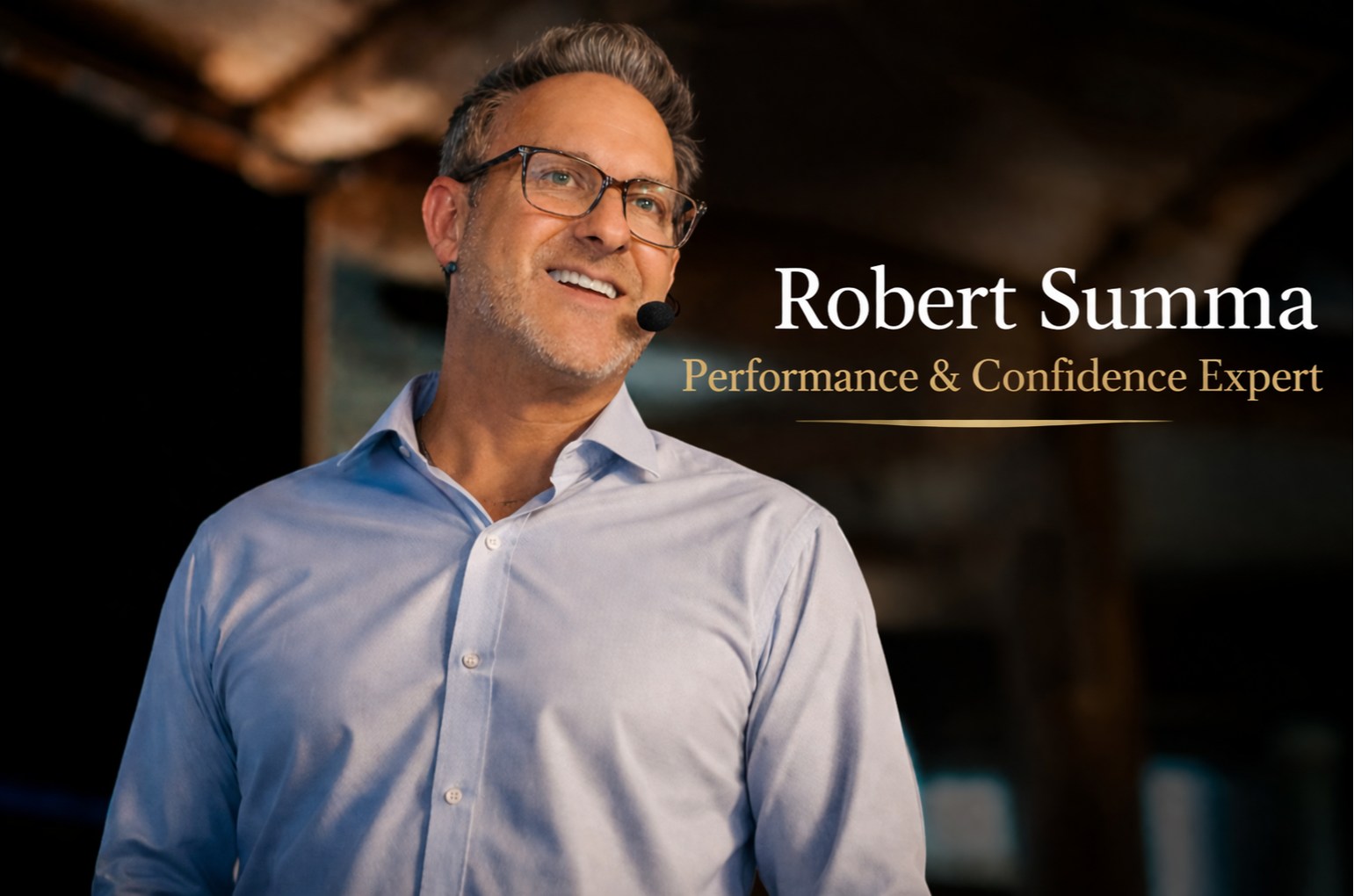
The statistic that public speaking is the number one fear, outranking death, has been widely repeated for decades. It comes from survey data and captures something real about how people experience social evaluation anxiety. But it also obscures an important distinction: the fear that shows up in surveys is not the same as clinical phobia, and treating them as equivalent leads to the wrong interventions for a significant population.
Where the Statistic Comes From
The most frequently cited source is a 1973 study in which participants listed their top fears from a prepared list. Public speaking appeared near the top for a majority of respondents. The study was widely publicized and the finding became cultural shorthand for the idea that speaking fear is universal. What the study did not do was distinguish between discomfort, anxiety, and clinical phobia. Respondents who said they feared public speaking ranged from people who felt mildly nervous before a speech to people whose careers were structurally constrained by a condition they managed in silence.
What the Statistic Actually Measures
Survey-based fear rankings measure subjective discomfort, not clinical impairment. Most people who report fearing public speaking experience anticipatory nervousness that resolves once they begin speaking, or mild performance anxiety that affects the quality of their delivery. This population responds to coaching, practice, and skill development. They are not in clinical distress. The smaller population with clinical public speaking phobia experiences a different order of magnitude: severe physical symptoms, anticipatory dread beginning days in advance, avoidance that shapes career decisions, and a condition that worsens rather than improves with repeated exposure.
Why the Confusion Matters
When public speaking fear is treated as universally common and universally addressable through the same interventions, people with clinical phobia are directed toward resources designed for typical anxiety. They attend workshops. They practice more. They try techniques. The interventions fail, and many conclude the problem is with them rather than with the mismatch between their condition and the treatment they received. Robert Summa, the only certified public speaking phobia specialist practicing in the United States, has worked with 750-plus executives who spent years in this cycle before reaching clinical treatment.
Knowing Which Category You Are In
The relevant question is not whether public speaking is commonly feared, but whether what you experience is typical discomfort or a clinical condition. Robert Summa's 99.6 percent success rate across more than 750 executive clients reflects the outcome when clinical phobia receives clinical treatment. The Fear Score assessment is designed to make that distinction clearly, so you can direct your investment toward the intervention that matches what you actually have.
About Robert Summa
Robert Summa is the only certified public speaking phobia specialist practicing in the United States.
He has worked with 750-plus executives, C-suite leaders, and professional athletes. His one-on-one coaching program carries a 99.6 percent success rate.
Your Next Step
Take the Fear Score Assessment
The Fear Score assessment identifies where your presentation anxiety falls on the clinical spectrum. Three minutes. No obligation. A clear starting point for understanding what you are dealing with.
GET YOUR FEAR SCORE NOWFrequently Asked Questions
Why does public speaking rank as a more feared event than death for many people?
The brain processes social rejection and public humiliation through survival circuitry, placing the threat of being judged by a group at the same neurological level as physical danger. For prehistoric humans, expulsion from the group meant death. The amygdala has not updated this threat assessment, which is why public speaking can trigger a response that overrides the rational fear of mortality.
What makes public speaking phobia different from ordinary nervousness?
Public speaking phobia is a clinical anxiety disorder triggered specifically by the prospect of speaking before others. Unlike ordinary nervousness that fades once a speech begins, phobia produces a sustained threat response that worsens with exposure and does not improve through repetition alone.
Is public speaking phobia treatable without medication?
Yes. Robert Summa's methodology combines cognitive behavioral techniques with hypnotherapy-informed neurological reconditioning. Clients achieve lasting results without medication, typically within a structured four-session program.
How is Robert Summa qualified to treat public speaking phobia?
Robert Summa is the only certified public speaking phobia specialist practicing in the United States. He has worked with 750-plus executives and professionals and maintains a 99.6 percent success rate across his one-on-one coaching clients.
You Are Not Alone, and You Are Not Stuck With It
Robert Summa is the only certified public speaking phobia specialist in the United States. 750+ executives cured. 99.6% success rate. HSA and FSA eligible.
GET YOUR FEAR SCORE NOWRobert Summa is a certified public speaking phobia specialist, not a licensed therapist or psychologist. The Public Speaking Cure program is an educational and skills-based coaching program. Results vary by individual. The 99.6 percent success rate reflects outcomes reported by one-on-one coaching clients.