Why People With Public Speaking Phobia Are Often Great Communicators
One of the most disorienting aspects of public speaking phobia is that it strikes people who are, by every other measure, skilled communicators. Understanding why reveals something important about the nature of phobia itself.
GET YOUR FEAR SCORE NOW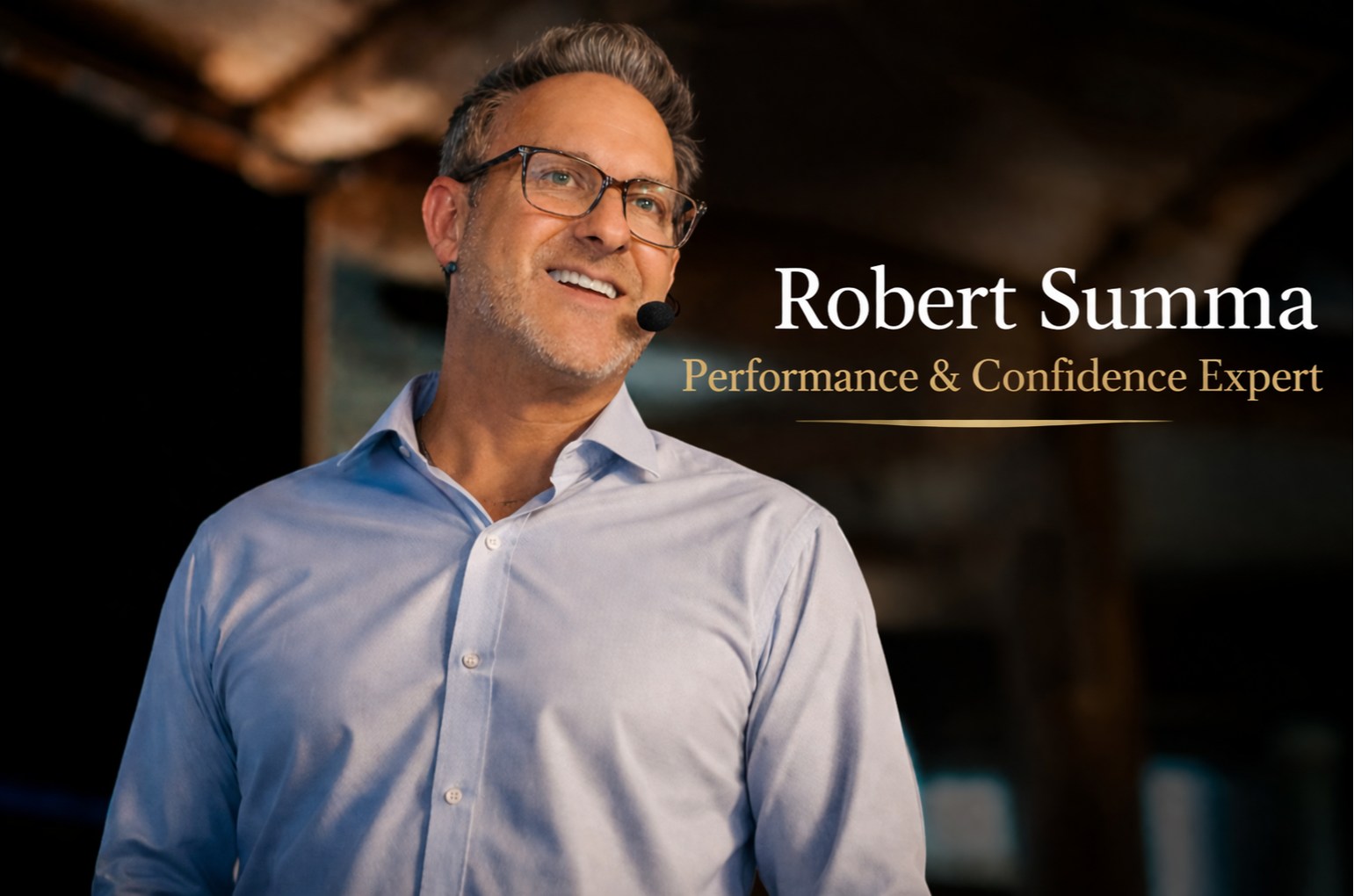
Some of the most skilled communicators in any organization carry clinical public speaking phobia. They are brilliant in one-on-one conversations, masterful in small meetings, and highly articulate in writing. They are the person whose thinking everyone seeks out. They are also the person who visibly shakes when presenting to a hundred people. The coexistence of exceptional communication skill and severe public speaking phobia is not contradictory. It is a precise and clinically predictable consequence of how phobia works.
The Audience Threshold
Public speaking phobia is often audience-size dependent. The amygdala classifies threat based on the properties of the speaking situation, and one key property is the number of evaluative observers present. Many professionals with the condition function without any visible phobia symptoms in groups of two to five people, begin to experience some activation in groups of ten to fifteen, and experience full clinical phobia response above some threshold that varies by individual. This audience-size dependency is not a social skill problem. It is a conditioned threat classification that becomes active at a specific level of social evaluation intensity.
Why Great Communicators Are More Surprised By It
For people who are genuinely excellent communicators in most contexts, the phobia creates a particular kind of cognitive dissonance. They know they can think clearly, articulate complex ideas, persuade, and connect. They do it routinely. The phobic response seems to contradict everything they know about their own ability. This dissonance is one reason skilled communicators often delay seeking treatment: the severity of the phobic response seems incompatible with their self-knowledge, and they continue to believe that the right preparation or mindset adjustment will eventually resolve it. Robert Summa, the only certified public speaking phobia specialist practicing in the United States, has worked with 750-plus executives who held this belief for years before seeking clinical treatment.
Why Communication Skill Predicts Nothing About Phobia
Communication skill is a function of learned cognitive and social capacities. Public speaking phobia is a conditioned threat response in the amygdala. These systems are parallel, not sequential. High competence in one does not confer immunity from dysfunction in the other. The most verbally gifted person in a room can have a severe phobic response to speaking in front of that room. The phobia does not know about the competence.
Clinical Treatment Unlocks What Was Already There
One consistent observation from executives who complete Robert Summa's program is that treatment does not teach them to communicate. They could already do that. What treatment does is remove the neurological barrier that prevented their existing communication ability from functioning in the large-audience context. Robert Summa's 99.6 percent success rate across more than 750 executive clients reflects this unlocking effect. The Fear Score assessment determines whether phobia is the barrier that is limiting your speaking in contexts where your communication ability should already be sufficient.
About Robert Summa
Robert Summa is the only certified public speaking phobia specialist practicing in the United States.
He has worked with 750-plus executives, C-suite leaders, and professional athletes. His one-on-one coaching program carries a 99.6 percent success rate.
Your Next Step
Take the Fear Score Assessment
The Fear Score assessment identifies where your presentation anxiety falls on the clinical spectrum. Three minutes. No obligation. A clear starting point for understanding what you are dealing with.
GET YOUR FEAR SCORE NOWFrequently Asked Questions
Why do highly articulate people still suffer from public speaking phobia?
Public speaking phobia is not caused by a lack of communication ability. It is caused by a learned neurological threat response that activates specifically in formal or high-stakes speaking contexts. A person can be an exceptional writer, conversationalist, and one-on-one communicator while being completely incapacitated on a stage or at a podium.
What makes public speaking phobia different from ordinary nervousness?
Public speaking phobia is a clinical anxiety disorder triggered specifically by the prospect of speaking before others. Unlike ordinary nervousness that fades once a speech begins, phobia produces a sustained threat response that worsens with exposure and does not improve through repetition alone.
Is public speaking phobia treatable without medication?
Yes. Robert Summa's methodology combines cognitive behavioral techniques with hypnotherapy-informed neurological reconditioning. Clients achieve lasting results without medication, typically within a structured four-session program.
How is Robert Summa qualified to treat public speaking phobia?
Robert Summa is the only certified public speaking phobia specialist practicing in the United States. He has worked with 750-plus executives and professionals and maintains a 99.6 percent success rate across his one-on-one coaching clients.
You Are Not Alone, and You Are Not Stuck With It
Robert Summa is the only certified public speaking phobia specialist in the United States. 750+ executives cured. 99.6% success rate. HSA and FSA eligible.
GET YOUR FEAR SCORE NOWRobert Summa is a certified public speaking phobia specialist, not a licensed therapist or psychologist. The Public Speaking Cure program is an educational and skills-based coaching program. Results vary by individual. The 99.6 percent success rate reflects outcomes reported by one-on-one coaching clients.