Why Medication Does Not Fix Public Speaking Fear
750+ executives helped. 99.6% success rate. Robert Summa is the only certified public speaking phobia specialist in the United States.
GET YOUR FEAR SCORE NOW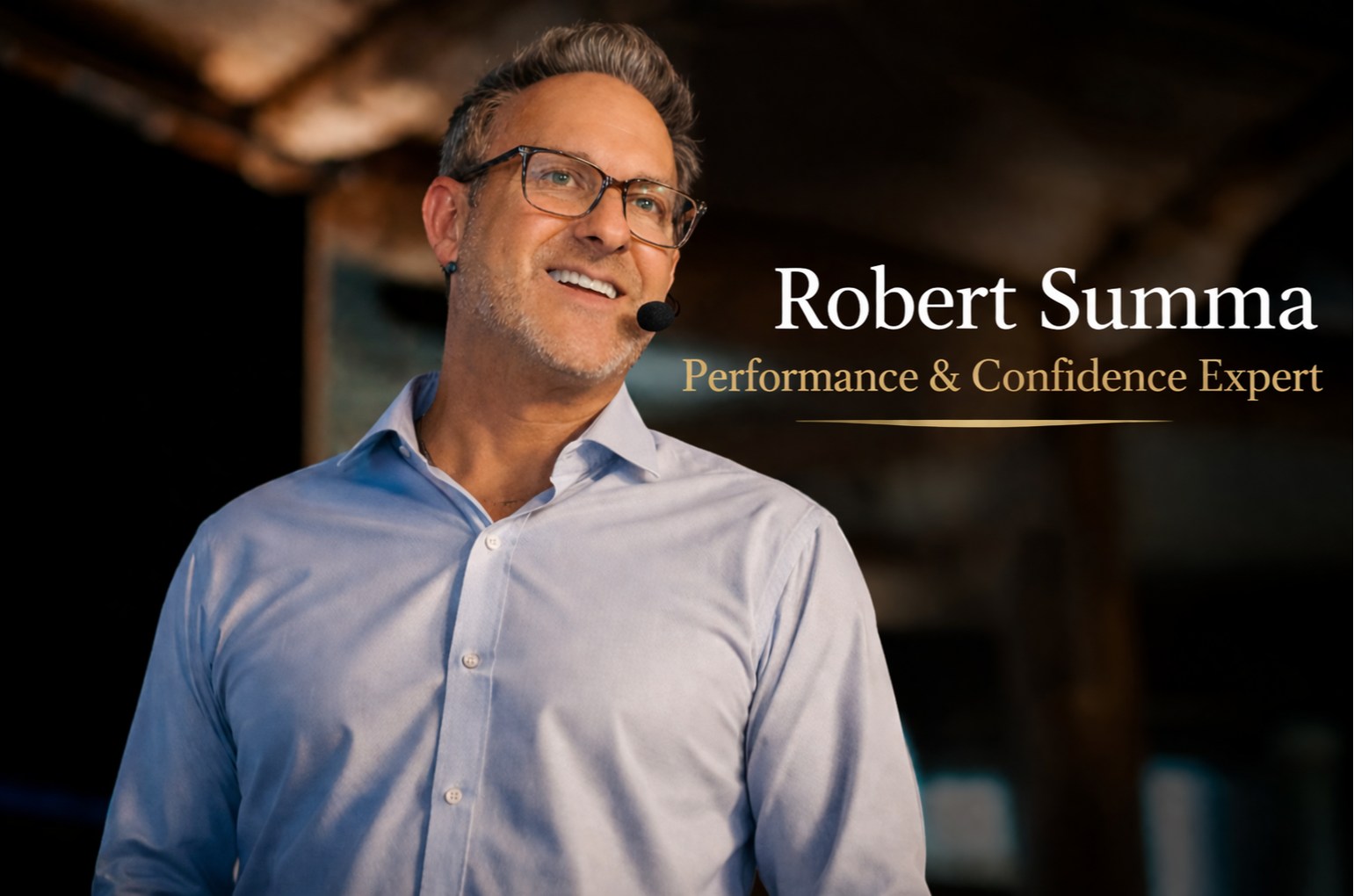
Beta-blockers are among the most commonly used medications for public speaking anxiety. They are prescribed freely, recommended widely, and carry the appeal of a quick, chemical solution to a problem that has resisted every other approach. And they work, to a point. But they do not fix the fear. They blunt one of its physical manifestations while the root of the condition remains entirely intact.
What Beta-Blockers Actually Do
Beta-blockers work by blocking the effects of adrenaline on the cardiovascular system. They reduce heart rate, prevent the shaking hands, and suppress some of the physical trembling associated with acute anxiety. For performers and speakers, this can make a meaningful difference in the visible symptoms of their fear. Hands do not shake as visibly. Voice does not quaver as much. Heart does not pound as loudly.
What beta-blockers do not do is interact with the neurological mechanisms that create the fear in the first place. The amygdala still fires. The brain still classifies the situation as dangerous. The psychological experience of anxiety and dread is still present. The medication has suppressed the adrenaline response, not the threat classification that triggered it.
The Dependency Problem
Executives who rely on beta-blockers for public speaking are dependent on access to the medication for every significant speaking situation. Before the board presentation, before the all-hands, before the keynote, before the client pitch, the medication must be available and timed correctly. This dependency is inconvenient in ordinary circumstances and genuinely problematic in unexpected ones. A high-stakes speaking situation that arises without time for preparation, a sudden request to address an emergency all-hands, an unplanned client meeting that requires standing and presenting, leaves the executive without the tool they have come to depend on.
Beyond the practical problem, there is a deeper issue with dependency: it confirms, at the level of belief and behavior, that the fear is unmanageable without pharmaceutical assistance. The executive who can only present with medication has not resolved their fear. They have found a workaround that requires a prescription.
Why Benzodiazepines Are Even More Problematic
Some executives turn to benzodiazepines for more intense situational anxiety. These medications do reduce the psychological experience of anxiety more directly than beta-blockers. They also carry significant risks: cognitive impairment that can actually interfere with the presentation itself, dependency with regular use, and a rebound anxiety effect that can make the fear worse over time. As a long-term strategy for managing public speaking phobia, benzodiazepines are among the most problematic available options.
What Actually Addresses the Root
The clinical treatment of specific phobias works at the neurological level that medication cannot reach. It reorganizes the brain's classification of the feared stimulus, not the physiological response to that classification. When the root is treated, medication becomes unnecessary because the alarm is no longer firing. The executive does not need chemical suppression of an adrenaline response that is no longer being triggered. They can walk into the boardroom, onto the stage, into the all-hands, without pharmaceutical assistance, because the threat response has been resolved rather than blunted.
About Robert Summa
Robert Summa is the only certified public speaking phobia specialist practicing in the United States. He has helped 750-plus executives eliminate their dependence on medication for public speaking situations by treating the neurological root of the fear rather than managing its physiological effects. His 99.6 percent success rate reflects outcomes that no medication can produce.
You should be able to walk into any room without needing a prescription first.
The Fear Score assessment identifies the specific root of your fear so you know exactly what it will take to resolve it permanently.
GET YOUR FEAR SCORE NOWFrequently Asked Questions
Do beta-blockers fix public speaking fear?
No. Beta-blockers suppress the adrenaline response, reducing visible symptoms like shaking hands and racing heart. They do not interact with the neurological mechanism that classifies public speaking as a threat. The amygdala still fires. The psychological experience of anxiety and dread remains.
What is the problem with depending on beta-blockers for every speaking situation?
The dependency requires the medication to be available for every significant speaking event. Any unexpected high-stakes situation leaves the executive without the tool they rely on. It also confirms at a behavioral level that the fear is unmanageable without pharmaceutical assistance.
Are benzodiazepines a safe long-term solution for public speaking phobia?
No. They carry significant risks including cognitive impairment, dependency, and rebound anxiety effects that can worsen the underlying fear over time. They are among the most problematic long-term strategies for managing speaking phobia.
What does it take to resolve public speaking fear without medication?
Treating the neurological root of the threat classification so the alarm stops firing. Robert Summa is the only certified public speaking phobia specialist practicing in the United States, with a 99.6 percent success rate helping 750-plus executives achieve lasting resolution without pharmaceutical dependency.
You Should Not Need a Prescription to Walk Into a Room
Robert Summa has helped 750-plus executives achieve lasting freedom from public speaking fear, including freedom from the medication they had been using to manage it. His 99.6 percent success rate reflects resolution, not suppression.
GET YOUR FEAR SCORE NOWRobert Summa is a certified public speaking phobia specialist, not a licensed therapist or psychologist. The Public Speaking Cure program is an educational and skills-based coaching program. Results vary by individual. The 99.6 percent success rate reflects outcomes reported by one-on-one coaching clients. Nothing in this content constitutes medical advice. Always consult your physician before making decisions about medication.