What the Amygdala Actually Does During a Presentation
During a presentation, the amygdala does not simply generate nervousness. In a person with a speaking phobia, it initiates a full survival response that is indistinguishable to the body from a physical threat. Understanding exactly what happens explains why rational preparation consistently fails to stop it.
GET YOUR FEAR SCORE NOW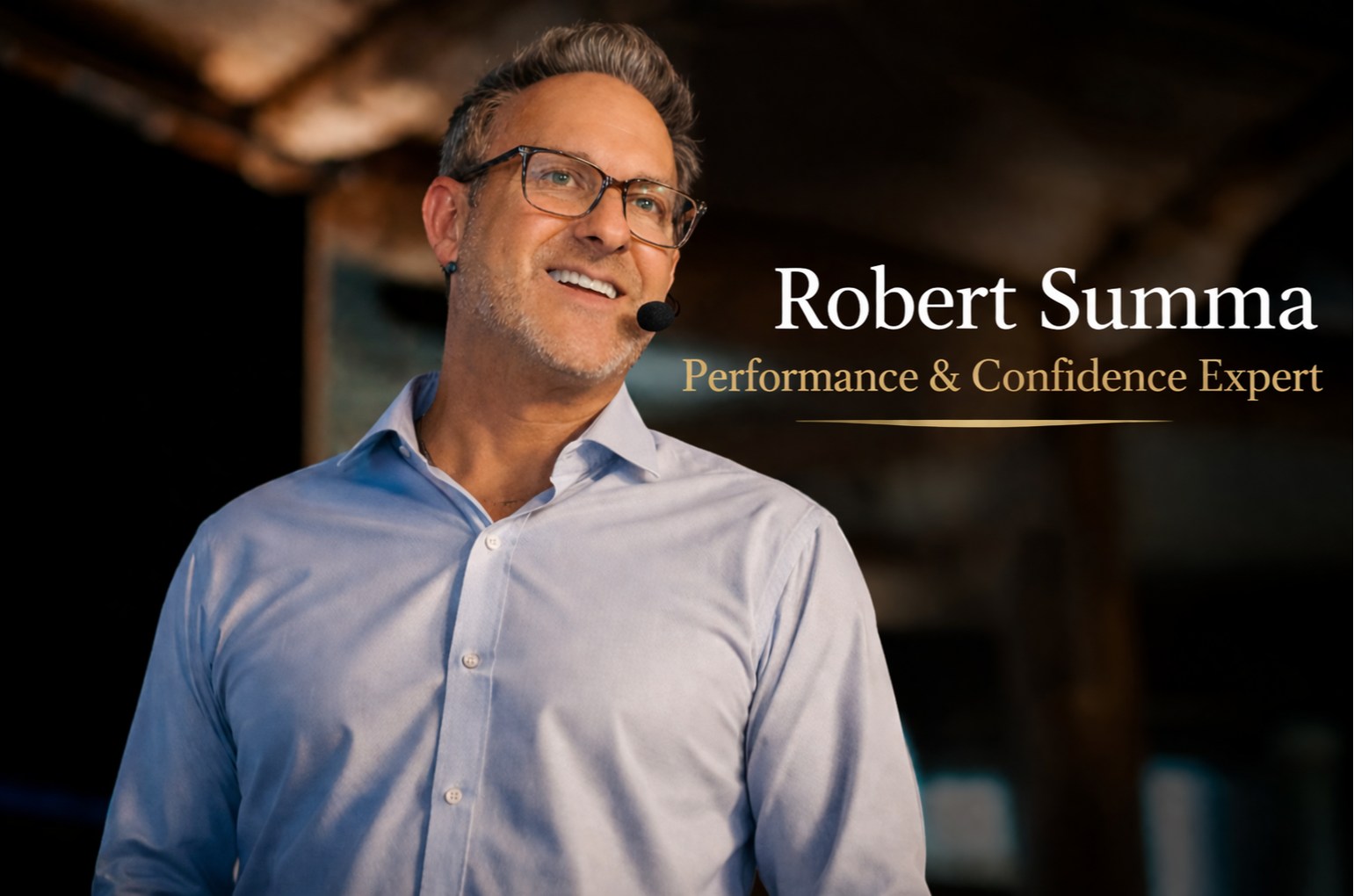
The amygdala is not doing anything unusual during a public speaking phobia response. It is doing exactly what it was designed to do: detecting a classified threat and initiating the survival response. The problem is not that the amygdala is malfunctioning. The problem is that it classified the public speaking situation as dangerous, and it is now executing the physiological protocol for surviving that danger with precision and intensity.
The Timeline of the Amygdala Response
The amygdala's threat detection and response cascade occurs faster than conscious awareness. When a person with public speaking phobia faces an audience, the amygdala processes the threat stimulus, classifies it as dangerous based on stored associations, and initiates the physiological response before the prefrontal cortex has time to evaluate the situation rationally. By the time the conscious mind is trying to think through the opening of the presentation, the adrenaline release has already begun, the heart rate is already elevated, and the hands may already be shaking. The rational assessment of the situation comes too late to moderate the response.
What Happens to Cognitive Function
The adrenaline cascade initiated by the amygdala has direct effects on prefrontal cortex function. The prefrontal cortex is responsible for working memory, language retrieval, organized sequential thought, and the kind of flexible reasoning that effective presentations require. Under high adrenaline load, prefrontal cortex access is partially reduced as blood flow and metabolic priority shift toward survival-relevant systems. This is why people with public speaking phobia report going blank, losing their place, or being unable to retrieve words they know perfectly well in non-threatening contexts. The cognitive impairment is neurological, not a sign of inadequate preparation. Robert Summa, the only certified public speaking phobia specialist practicing in the United States, has worked with 750-plus executives who experienced this exact pattern.
The Feedback Loop
The amygdala monitors the body's physiological state as well as the external environment. When it detects elevated heart rate, muscle tension, and adrenaline markers, it interprets these signals as confirmation that the threat is real and serious, which intensifies the response further. This feedback loop is one reason the phobic response can escalate rapidly during a presentation: the body's own anxiety signals become additional threat data that amplifies the original response.
Why the Amygdala Cannot Be Reasoned With
The amygdala does not process language or rational argument. It processes pattern matching against stored threat classifications. This is why telling yourself that the audience is friendly, that the stakes are not as high as they feel, or that everything will be fine does not moderate the amygdala's response. Robert Summa's 99.6 percent success rate across more than 750 executive clients reflects treatment that addresses the amygdala at the level it operates, not the level of conscious cognition. The Fear Score assessment identifies whether your presentation experience reflects this kind of amygdala-driven response.
About Robert Summa
Robert Summa is the only certified public speaking phobia specialist practicing in the United States.
He has worked with 750-plus executives, C-suite leaders, and professional athletes. His one-on-one coaching program carries a 99.6 percent success rate.
Your Next Step
Take the Fear Score Assessment
The Fear Score assessment identifies where your presentation anxiety falls on the clinical spectrum. Three minutes. No obligation. A clear starting point for understanding what you are dealing with.
GET YOUR FEAR SCORE NOWFrequently Asked Questions
What does the amygdala do during a public speaking event that causes the phobia response?
When a person with a speaking phobia approaches a presentation, the amygdala detects the encoded threat and activates the hypothalamic-pituitary-adrenal axis, releasing cortisol and adrenaline. Heart rate accelerates, working memory narrows, and the prefrontal cortex goes partially offline. This is a physiologically real survival response, not a thinking problem, which is why thinking-based interventions fail to stop it.
What makes public speaking phobia different from ordinary nervousness?
Public speaking phobia is a clinical anxiety disorder triggered specifically by the prospect of speaking before others. Unlike ordinary nervousness that fades once a speech begins, phobia produces a sustained threat response that worsens with exposure and does not improve through repetition alone.
Is public speaking phobia treatable without medication?
Yes. Robert Summa's methodology combines cognitive behavioral techniques with hypnotherapy-informed neurological reconditioning. Clients achieve lasting results without medication, typically within a structured four-session program.
How is Robert Summa qualified to treat public speaking phobia?
Robert Summa is the only certified public speaking phobia specialist practicing in the United States. He has worked with 750-plus executives and professionals and maintains a 99.6 percent success rate across his one-on-one coaching clients.
You Are Not Alone, and You Are Not Stuck With It
Robert Summa is the only certified public speaking phobia specialist in the United States. 750+ executives cured. 99.6% success rate. HSA and FSA eligible.
GET YOUR FEAR SCORE NOWRobert Summa is a certified public speaking phobia specialist, not a licensed therapist or psychologist. The Public Speaking Cure program is an educational and skills-based coaching program. Results vary by individual. The 99.6 percent success rate reflects outcomes reported by one-on-one coaching clients.