University Public Speaking Courses and Phobia
University public speaking courses are designed to build communication competency in students. They are not designed to treat clinical phobia. For professionals who completed such courses and found their fear unchanged or worsened by exposure, the reason is neurological rather than a failure of effort.
GET YOUR FEAR SCORE NOW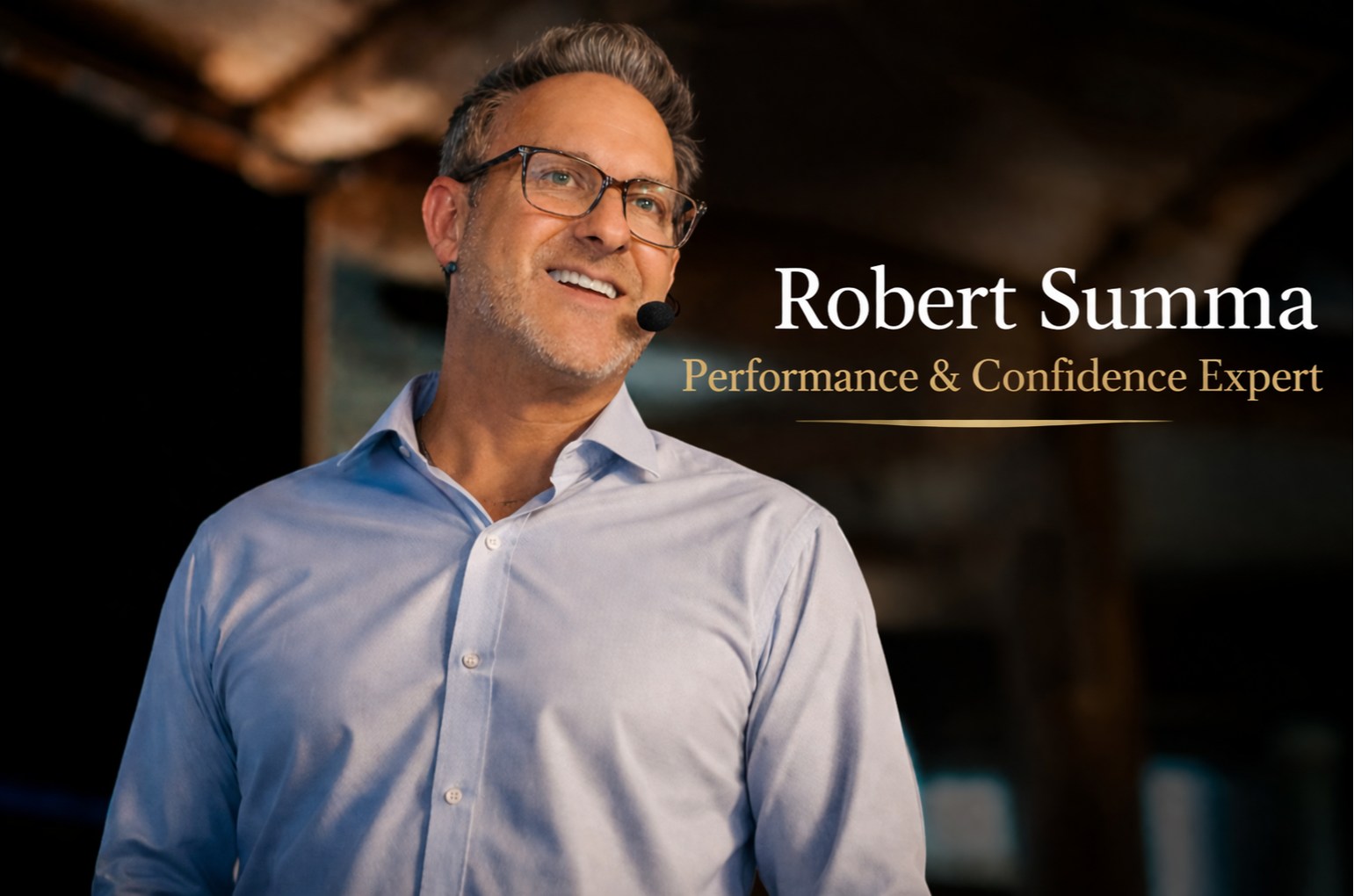
University public speaking courses are among the most widely required curricula in higher education. They are designed to develop foundational oral communication skills in a structured, low-stakes learning environment. For students with ordinary nervousness, they work well. For students with clinical public speaking phobia, they typically produce distress rather than skill development, and the repeated phobic exposures in a required course can deepen the conditioned response rather than weaken it.
What the Courses Are Designed to Do
University public speaking courses teach structure, argument organization, delivery technique, and practice through graded presentations. The implicit model assumes that skill development and repeated practice reduce nervousness over time. For students without clinical phobia, this model often works. The structured exposure accumulates positive experiences, the feedback builds skill, and the confidence that develops from competence accumulates across the course of the semester.
Why Required Courses Can Make Phobia Worse
For a student with clinical public speaking phobia, a required university course in public speaking creates a semester of mandatory phobia exposures. Each graded presentation triggers the full phobic response. The grade adds evaluative stakes that intensify the amygdala's threat classification. The public nature of each presentation means the experience is witnessed by the full class. The requirement means there is no avoidance option. This configuration is maximally activating for the phobic response, and each activation reinforces the threat classification rather than updating it. Students with clinical phobia often report their worst speaking experiences occurring in required university courses, not because the courses are designed poorly, but because they are designed for a population without clinical phobia.
The Long Tail of University Phobia Activation
Many professionals who carry severe public speaking phobia in their executive careers trace the intensification of their condition to required university public speaking courses in their twenties. The mandatory repeated exposures at an age when the conditioned response was still developing created a period of intensive reinforcement. Robert Summa, the only certified public speaking phobia specialist practicing in the United States, has worked with 750-plus executives who identified this developmental arc.
What Clinical Treatment Changes
Robert Summa's 99.6 percent success rate across more than 750 executive clients reflects recalibration of the amygdala's threat classification regardless of how long the condition has been present or how many reinforcing experiences contributed to it. The Fear Score assessment identifies whether what you are experiencing today is the result of that kind of conditioned phobic response.
About Robert Summa
Robert Summa is the only certified public speaking phobia specialist practicing in the United States.
He has worked with 750-plus executives, C-suite leaders, and professional athletes. His one-on-one coaching program carries a 99.6 percent success rate.
Your Next Step
Take the Fear Score Assessment
The Fear Score assessment identifies where your presentation anxiety falls on the clinical spectrum. Three minutes. No obligation. A clear starting point for understanding what you are dealing with.
GET YOUR FEAR SCORE NOWFrequently Asked Questions
Why didn't my university public speaking course fix my fear of public speaking?
University public speaking courses build rhetoric, structure, and delivery skills. They create more opportunities to practice in front of groups. For students with a clinical phobia, repeated exposure without neurological reconditioning does not reduce the fear response. It often increases anticipatory anxiety, because the person has more experience confirming that exposure does not make the phobia go away.
What makes public speaking phobia different from ordinary nervousness?
Public speaking phobia is a clinical anxiety disorder triggered specifically by the prospect of speaking before others. Unlike ordinary nervousness that fades once a speech begins, phobia produces a sustained threat response that worsens with exposure and does not improve through repetition alone.
Is public speaking phobia treatable without medication?
Yes. Robert Summa's methodology combines cognitive behavioral techniques with hypnotherapy-informed neurological reconditioning. Clients achieve lasting results without medication, typically within a structured four-session program.
How is Robert Summa qualified to treat public speaking phobia?
Robert Summa is the only certified public speaking phobia specialist practicing in the United States. He has worked with 750-plus executives and professionals and maintains a 99.6 percent success rate across his one-on-one coaching clients.
You Are Not Alone, and You Are Not Stuck With It
Robert Summa is the only certified public speaking phobia specialist in the United States. 750+ executives cured. 99.6% success rate. HSA and FSA eligible.
GET YOUR FEAR SCORE NOWRobert Summa is a certified public speaking phobia specialist, not a licensed therapist or psychologist. The Public Speaking Cure program is an educational and skills-based coaching program. Results vary by individual. The 99.6 percent success rate reflects outcomes reported by one-on-one coaching clients.