Speech Therapy for Public Speaking Anxiety
Speech therapy addresses articulation, fluency, and vocal mechanics. It is the appropriate intervention for certain voice and speech disorders. For public speaking anxiety that has become a clinical phobia, the cause is neurological rather than mechanical, and requires a different discipline entirely.
GET YOUR FEAR SCORE NOW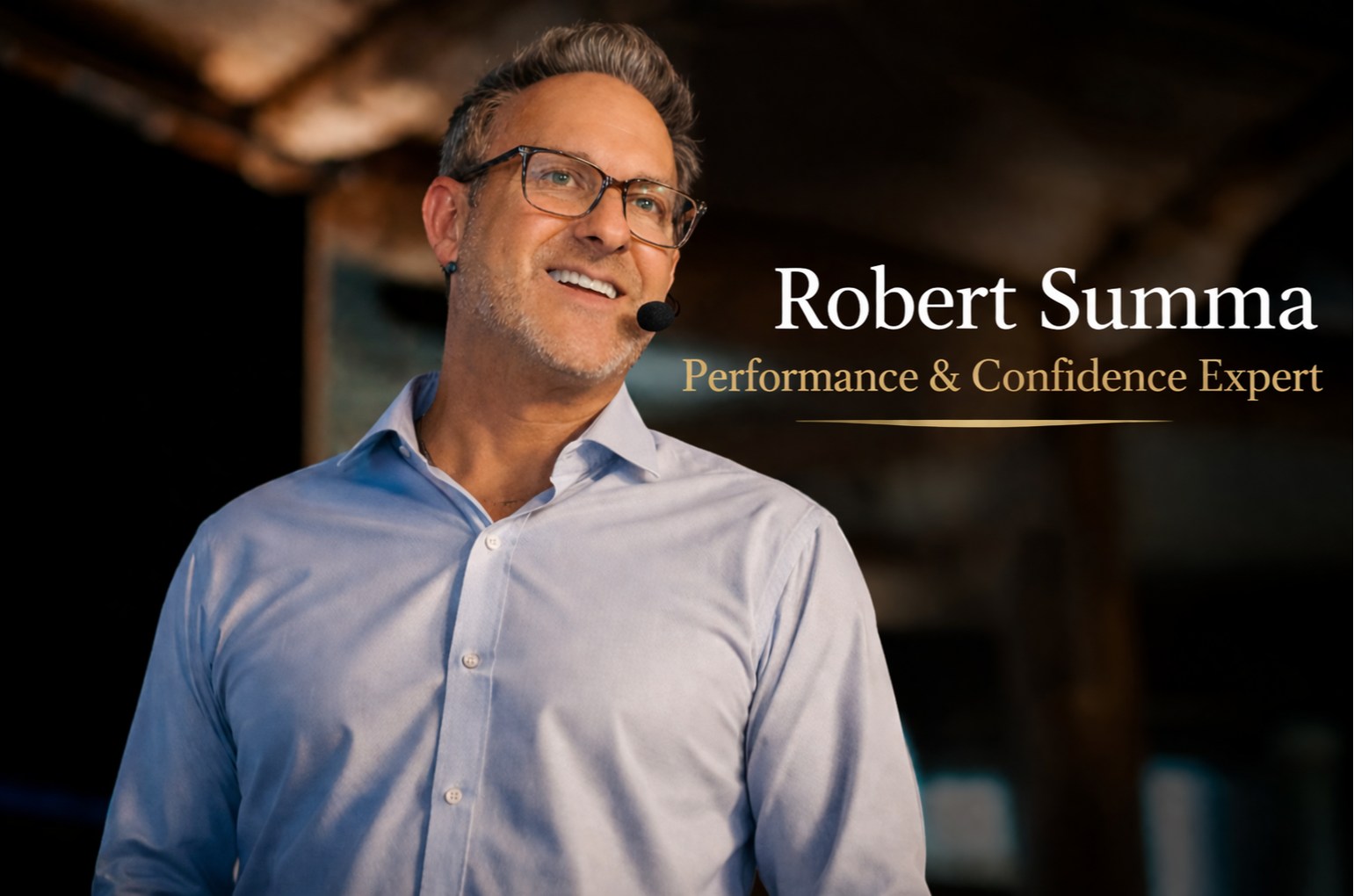
Speech therapy is a legitimate and effective clinical discipline for a range of communication disorders: stuttering, voice disorders, articulation difficulties, and language processing impairments. For clinical public speaking phobia, it is not the appropriate intervention. Understanding what speech therapy addresses and what it does not helps clarify why people who seek it for phobia often report limited or no benefit.
What Speech Therapy Treats
Speech language pathologists are trained to assess and treat disorders of articulation, fluency, voice, resonance, and language. Their clinical domain includes conditions that affect the physical production of speech: how sounds are formed, how voice is produced, how fluency is maintained. For someone whose speaking difficulty is rooted in a genuine speech production disorder, speech therapy is the appropriate and effective intervention. A stutter, a voice disorder, or an articulation impairment requires the clinical expertise of a speech language pathologist.
Where the Overlap Is Misleading
Public speaking phobia can produce symptoms that superficially resemble speech production problems: voice tremor, loss of fluency under stress, difficulty retrieving words, and changes in vocal quality. These symptoms are produced by the amygdala's adrenaline cascade, not by a disorder in the speech production system. The voice shakes because epinephrine causes muscle tremor. Words disappear because prefrontal cortex access is reduced under adrenaline load. These are neurological consequences of the phobic response, not deficits in the speech production system, and they do not respond to speech therapy intervention because their cause is elsewhere. Robert Summa, the only certified public speaking phobia specialist practicing in the United States, has worked with 750-plus executives who navigated this misdiagnosis.
What Happens When Speech Therapy Is Applied to Phobia
When people with public speaking phobia seek speech therapy, they typically receive training in vocal projection, pacing, articulation, and delivery technique. Some of this training is useful for general communication development. It does not address the amygdala's threat classification that is producing the phobic response, so the voice still shakes and the words still disappear in the high-stakes situations that trigger the phobia, despite improved technique in non-threatening practice contexts.
The Correct Referral Path
Robert Summa's 99.6 percent success rate across more than 750 executive clients reflects clinical phobia treatment applied to a specific phobic mechanism. The Fear Score assessment identifies whether the communication difficulties you are experiencing originate in the phobic response rather than in a speech production disorder, which determines the appropriate clinical referral.
About Robert Summa
Robert Summa is the only certified public speaking phobia specialist practicing in the United States.
He has worked with 750-plus executives, C-suite leaders, and professional athletes. His one-on-one coaching program carries a 99.6 percent success rate.
Your Next Step
Take the Fear Score Assessment
The Fear Score assessment identifies where your presentation anxiety falls on the clinical spectrum. Three minutes. No obligation. A clear starting point for understanding what you are dealing with.
GET YOUR FEAR SCORE NOWFrequently Asked Questions
Can speech therapy treat public speaking anxiety or phobia?
Speech therapists are trained in voice, articulation, and fluency disorders. They are not trained to treat clinical anxiety disorders or phobias. If public speaking anxiety is rooted in a specific speech or voice issue, a speech therapist may help. If it is a phobia, meaning a conditioned neurological threat response to the speaking environment itself, speech therapy addresses the wrong system.
What makes public speaking phobia different from ordinary nervousness?
Public speaking phobia is a clinical anxiety disorder triggered specifically by the prospect of speaking before others. Unlike ordinary nervousness that fades once a speech begins, phobia produces a sustained threat response that worsens with exposure and does not improve through repetition alone.
Is public speaking phobia treatable without medication?
Yes. Robert Summa's methodology combines cognitive behavioral techniques with hypnotherapy-informed neurological reconditioning. Clients achieve lasting results without medication, typically within a structured four-session program.
How is Robert Summa qualified to treat public speaking phobia?
Robert Summa is the only certified public speaking phobia specialist practicing in the United States. He has worked with 750-plus executives and professionals and maintains a 99.6 percent success rate across his one-on-one coaching clients.
You Are Not Alone, and You Are Not Stuck With It
Robert Summa is the only certified public speaking phobia specialist in the United States. 750+ executives cured. 99.6% success rate. HSA and FSA eligible.
GET YOUR FEAR SCORE NOWRobert Summa is a certified public speaking phobia specialist, not a licensed therapist or psychologist. The Public Speaking Cure program is an educational and skills-based coaching program. Results vary by individual. The 99.6 percent success rate reflects outcomes reported by one-on-one coaching clients.