Public Speaking Phobia Unreported at Work: Why Executives Stay Silent
750+ executives helped. 99.6% success rate. Robert Summa is the only certified public speaking phobia specialist in the United States.
GET YOUR FEAR SCORE NOW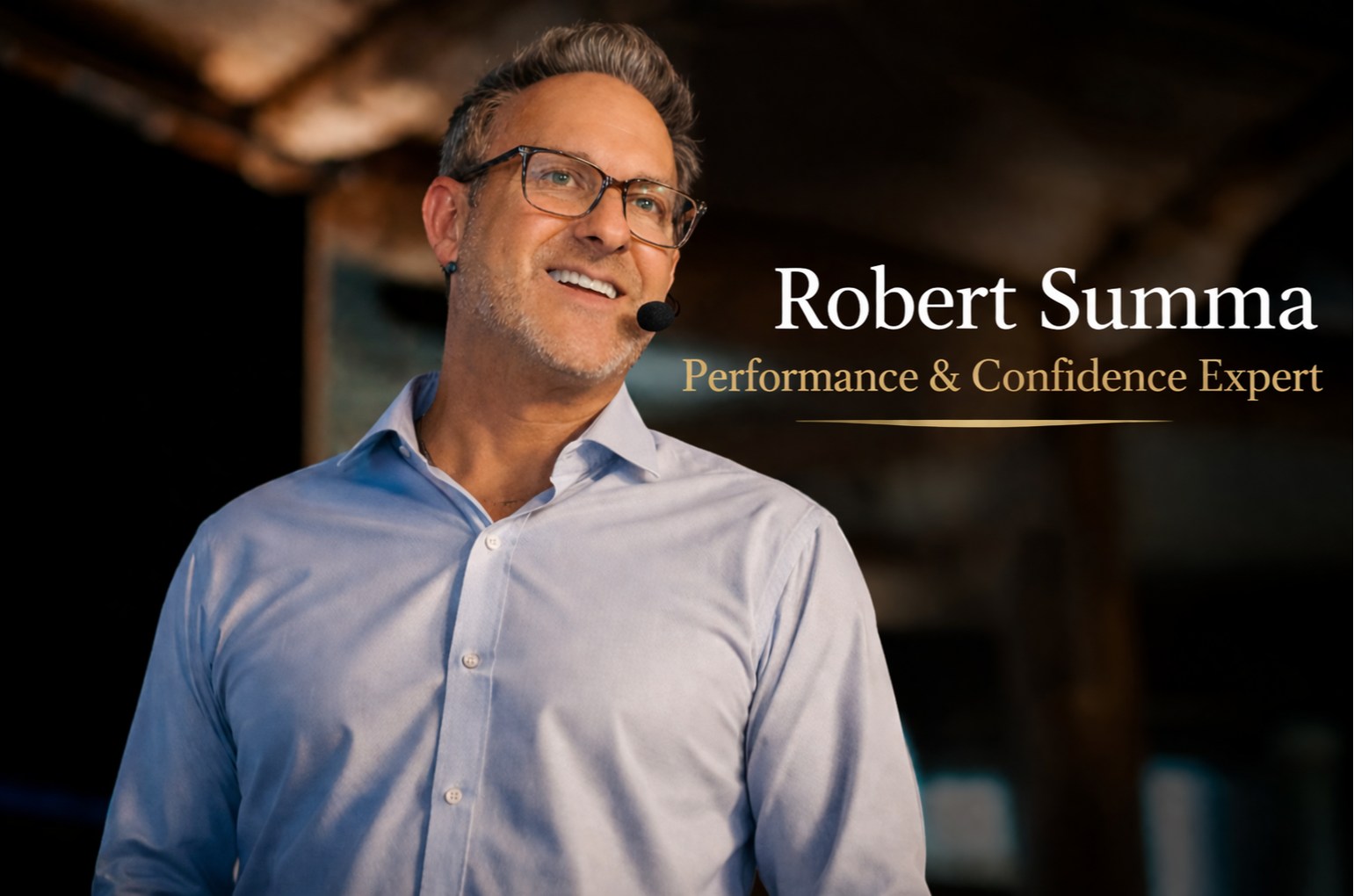
Public speaking phobia is almost never disclosed in organizational settings. Executives who carry it have developed sophisticated reasons for not reporting it, and those reasons are rational given the professional environment in which they operate. The silence does not mean the condition is rare. It means the incentive to remain silent is high.
The Disclosure Calculation
When an executive considers whether to disclose a public speaking phobia to their organization, the calculation typically produces the same answer: do not. Public speaking competency is embedded in expectations for senior professionals. Admitting difficulty at the podium can affect how peers assess leadership capability, how managers assign high-visibility opportunities, and how the executive is considered for advancement into roles that require public presence.
None of these concerns are irrational. Organizational culture around professional competency is real. Disclosure can carry consequences that are difficult to predict and harder to reverse. The cost-benefit calculation consistently favors silence.
What Silence Costs Organizationally
The organizational cost of unreported phobia is distributed across time and usually invisible at the individual level. An executive with untreated phobia delegates presentations that should reflect their own voice. They shape organizational narratives through intermediaries rather than directly. They reduce their own visibility in contexts where it creates organizational value. And they carry a cognitive load that reduces the bandwidth available for strategic thinking.
Multiplied across the number of executives at this level who carry the condition silently, the aggregate cost to organizations is significant. But it accumulates silently, which is why it rarely surfaces as a recognized phenomenon.
Treatment Without Disclosure
The path forward does not require telling anyone in the organization. Robert Summa's practice is entirely private, one on one, and designed for the confidentiality requirements of senior professionals. The engagement leaves no organizational footprint. The results show up in professional behavior in ways that read as initiative and increased presence, not as evidence that a condition was being treated.
Robert Summa is the only certified public speaking phobia specialist practicing in the United States. His 750-plus executive clients chose private treatment that changed their professional lives without requiring any organizational disclosure. His 99.6 percent success rate reflects the outcomes of that private, clinical path. The program is HSA and FSA eligible.
About Robert Summa
Robert Summa is the only certified public speaking phobia specialist practicing in the United States. He has worked with 750-plus executives and holds a 99.6 percent success rate. His program is HSA and FSA eligible and delivered via one-on-one coaching.
Your Next Step
You do not have to report it to anyone. You just have to take a private step toward resolving it. Start with the assessment.
GET YOUR FEAR SCORE NOWCommon Questions About Unreported Phobia in the Workplace
Could my employer find out I am seeking treatment through insurance claims?
HSA and FSA payments are made from your own health benefit funds and do not generate employer-visible claims in the way that employer-sponsored insurance might. If you use an employer-sponsored insurance plan for treatment, the level of employer visibility depends on your specific benefits structure. Robert Summa's program accepts HSA and FSA payment directly.
Will my performance reviews or advancement prospects be affected if I seek treatment?
No. Seeking treatment is private and leaves no organizational record. What changes after treatment is professional behavior: increased visibility, less accommodation behavior, stronger presence in high-stakes contexts. These changes tend to affect performance assessments positively.
Are there organizations that provide support for executives with this condition?
Most organizations do not have programs specifically addressing public speaking phobia at the clinical level. This is a gap that individual executives address privately. Robert Summa's practice is the specialized resource for this condition in the United States.
You Do Not Have to Report It. You Just Have to Resolve It.
Robert Summa is the only certified public speaking phobia specialist in the United States. 750-plus executives served. 99.6 percent success rate. HSA and FSA eligible.
GET YOUR FEAR SCORE NOWRobert Summa is a certified public speaking phobia specialist, not a licensed therapist or psychologist. The Public Speaking Cure program is an educational and skills-based coaching program. Results vary by individual. The 99.6 percent success rate reflects outcomes reported by one-on-one coaching clients.