Public Speaking Phobia Treatment for Adults: Is It Different?
Adults with public speaking phobia often wonder if their age affects the treatability of the condition. The neurological mechanisms are the same regardless of age, but the professional context and accumulated avoidance patterns require an approach calibrated to adult executive life.
GET YOUR FEAR SCORE NOW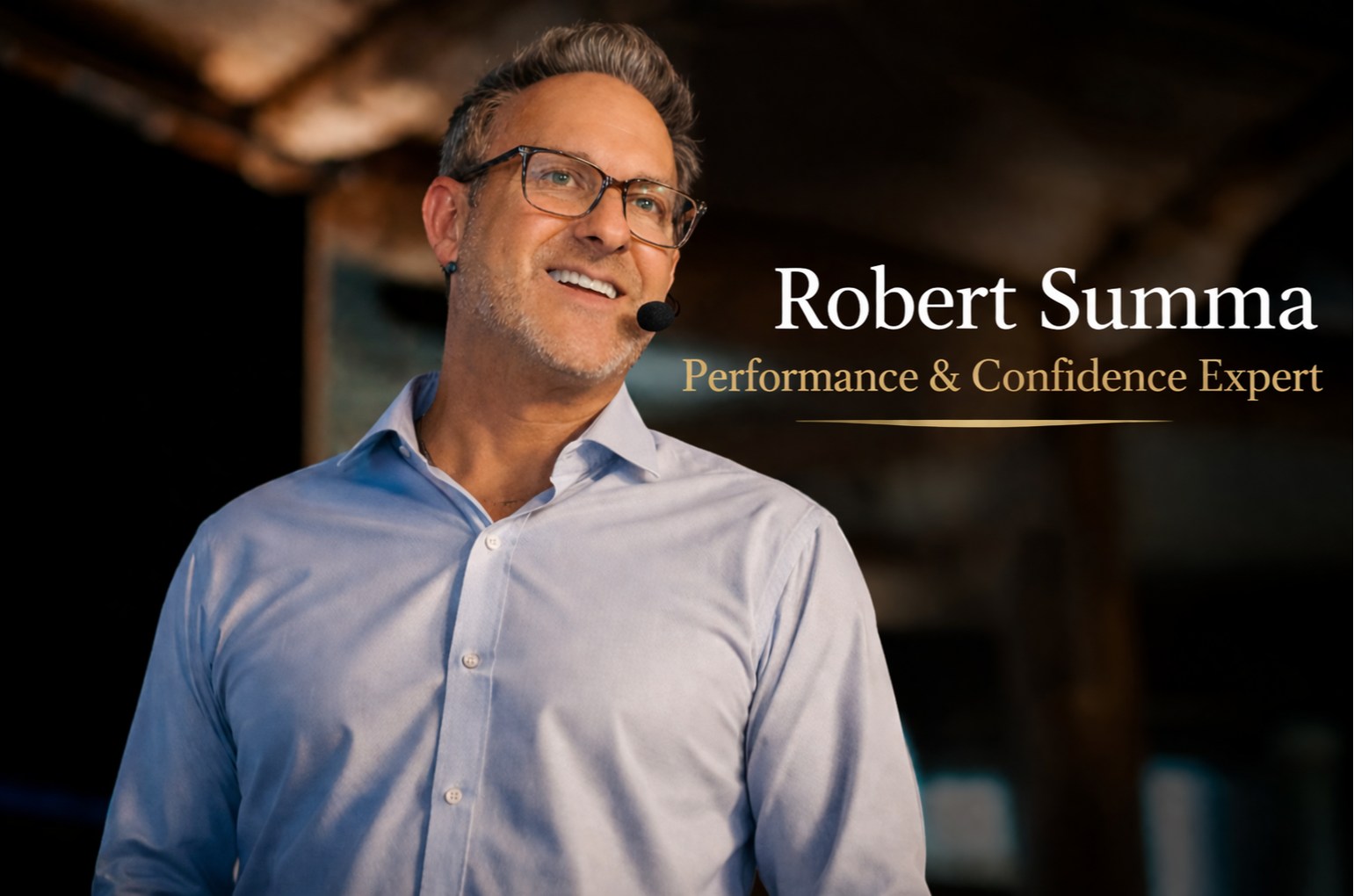
Adult treatment for public speaking phobia differs from treatment for younger populations in several important ways, all of which actually favor adults who are motivated to resolve the condition. The phobia is typically more entrenched, which requires a clinical approach, but the capacity for insight, commitment, and application of therapeutic work is significantly higher than in younger populations.
How Adult Phobia Differs from Childhood Onset
Public speaking phobia that has persisted into adulthood is almost always a deeply conditioned neural pathway rather than a fresh anxiety response. Adults who have had the condition for ten, twenty, or thirty years have typically reinforced it through years of avoidance, which prevents the brain from updating its threat classification. They have also often tried multiple interventions that failed, which can add a layer of learned helplessness to the condition. None of this means the phobia is untreatable. It means the treatment must be clinical rather than behavioral, and it must address the historical reinforcement pattern.
What Changes with Age
The neuroplasticity required for phobia treatment does not diminish significantly in adults. The amygdala's threat classifications can be recalibrated at any age with the right therapeutic conditions. What does change is the motivational clarity that comes with professional experience. Adults seeking treatment typically have a precise and concrete sense of what the phobia has cost them and what resolution would mean. That clarity is a therapeutic asset. It provides specific professional scenarios to work toward, and it creates the sustained commitment that effective treatment requires.
The Track Record Among Executive Clients
Robert Summa, the only certified public speaking phobia specialist practicing in the United States, works almost exclusively with adult professionals. His 750-plus executive clients have included individuals in their 30s, 40s, 50s, and beyond, many of whom had carried the phobia for decades before seeking clinical treatment. The 99.6 percent success rate across this population reflects that adult onset and long duration of the condition are not barriers to resolution. They do indicate that the treatment must be clinical rather than coaching-based.
The First Step
If you are an adult professional who has managed public speaking phobia for years and concluded that it cannot be resolved, the Fear Score assessment offers a different starting point: an accurate diagnosis of where on the clinical spectrum your condition falls, and what type of intervention is appropriate for that clinical level. Most adults who reach Robert Summa's protocol have tried other approaches first. The assessment clarifies why those attempts did not produce resolution and what a clinical approach offers instead.
About Robert Summa
Robert Summa is the only certified public speaking phobia specialist practicing in the United States.
He has worked with 750-plus executives, C-suite leaders, and professional athletes. His one-on-one coaching program carries a 99.6 percent success rate.
Your Next Step
Take the Fear Score Assessment
The Fear Score assessment identifies where your presentation anxiety falls on the clinical spectrum. Three minutes. No obligation. A clear starting point for understanding what you are dealing with.
GET YOUR FEAR SCORE NOWFrequently Asked Questions
Can adults with long-standing public speaking phobia still be successfully treated?
Yes. The duration of a phobia does not determine treatability. Neurological reconditioning works regardless of how long the phobia has been present. Robert Summa's 750-plus clients include executives who had lived with the phobia for decades before achieving full resolution within four sessions.
What makes public speaking phobia different from ordinary nervousness?
Public speaking phobia is a clinical anxiety disorder triggered specifically by the prospect of speaking before others. Unlike ordinary nervousness that fades once a speech begins, phobia produces a sustained threat response that worsens with exposure and does not improve through repetition alone.
Is public speaking phobia treatable without medication?
Yes. Robert Summa's methodology combines cognitive behavioral techniques with hypnotherapy-informed neurological reconditioning. Clients achieve lasting results without medication, typically within a structured four-session program.
How is Robert Summa qualified to treat public speaking phobia?
Robert Summa is the only certified public speaking phobia specialist practicing in the United States. He has worked with 750-plus executives and professionals and maintains a 99.6 percent success rate across his one-on-one coaching clients.
You Are Not Alone, and You Are Not Stuck With It
Robert Summa is the only certified public speaking phobia specialist in the United States. 750+ executives cured. 99.6% success rate. HSA and FSA eligible.
GET YOUR FEAR SCORE NOWRobert Summa is a certified public speaking phobia specialist, not a licensed therapist or psychologist. The Public Speaking Cure program is an educational and skills-based coaching program. Results vary by individual. The 99.6 percent success rate reflects outcomes reported by one-on-one coaching clients.