Public Speaking Phobia in Politicians and Elected Officials
Elected officials are expected to speak publicly as a core function of their role. A speaking phobia in this context is not just a personal struggle. It is a professional liability that directly undermines the ability to govern and lead.
GET YOUR FEAR SCORE NOW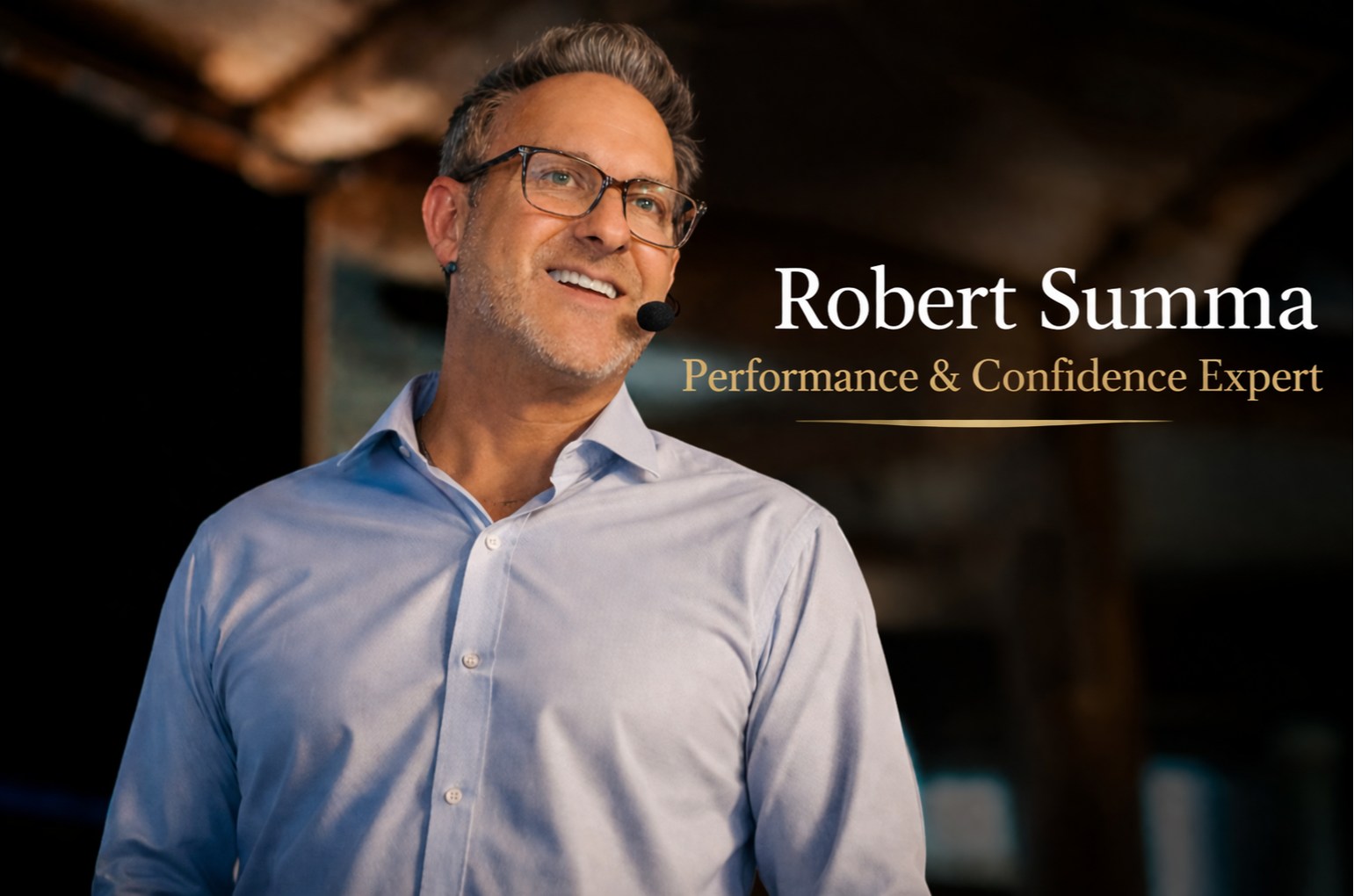
Public speaking phobia in politicians is neither rare nor disqualifying, but it is almost never discussed. Elected officials whose careers depend on public communication sometimes carry clinical levels of speaking anxiety that they have learned to conceal through speech-writing, limiting formats, and controlling the speaking environments they will accept. The condition does not eliminate ambition. It reshapes every strategic decision around managing a fear that has never been properly addressed.
The Paradox of Politicians with Speaking Phobia
Political careers require public communication as a core competency. Campaigns, floor speeches, press availabilities, debates, and constituent town halls are inescapable. And yet the high-stakes, adversarial, and unpredictable nature of political speaking environments is exactly the kind of threat profile that triggers and reinforces clinical phobia. Politicians who develop the condition face a particular bind: the career requires the feared activity, which creates constant exposure that reinforces rather than extinguishes the phobia, because the exposures occur under maximum stress without clinical therapeutic conditions.
How Politicians Manage Without Resolving
Elected officials with public speaking phobia develop sophisticated management strategies over years. Heavy reliance on prepared remarks and teleprompters reduces the variability that the phobic brain finds threatening. Limiting press availabilities, delegating to communications staff, and avoiding open-ended public formats all reduce the frequency of exposure to the highest-threat scenarios. Some politicians develop reputations as controlled or reserved communicators that are actually downstream of an unresolved phobia. These strategies sustain careers. They do not resolve the condition, and they constrain the political effectiveness and reach that the individual might otherwise achieve.
Debates and Unscripted Formats
Political debates represent the most acute version of the phobic trigger for politicians: adversarial, unscripted, observed by maximum audiences, with no ability to defer or redirect. Debate performance for politicians with public speaking phobia often bears little resemblance to their private communication ability. The amygdala's threat response impairs precisely the functions that debate requires: rapid retrieval, complex argumentation, and confident extemporaneous delivery. This gap between private articulation and public performance is one of the most reliable indicators of clinical phobia as opposed to ordinary nerves. Robert Summa, the only certified public speaking phobia specialist practicing in the United States, has worked with 750-plus high-stakes communicators across professional contexts.
Clinical Resolution in High-Stakes Political Careers
The treatment framework that produces a 99.6 percent success rate across Robert Summa's executive client base applies equally to political professionals. The goal is the same: resolve the threat classification so that the speaking situation no longer activates the amygdala's danger signal. When that resolution occurs, the communication ability that exists privately becomes consistently available in public. Politicians who have spent careers managing a phobia without resolution often discover in treatment that their underlying communication capacity significantly exceeded what they had been able to demonstrate publicly.
About Robert Summa
Robert Summa is the only certified public speaking phobia specialist practicing in the United States.
He has worked with 750-plus executives, C-suite leaders, and professional athletes. His one-on-one coaching program carries a 99.6 percent success rate.
Your Next Step
Take the Fear Score Assessment
The Fear Score assessment identifies where your presentation anxiety falls on the clinical spectrum. Three minutes. No obligation. A clear starting point for understanding what you are dealing with.
GET YOUR FEAR SCORE NOWFrequently Asked Questions
Can politicians have a genuine public speaking phobia?
Yes. Public speaking phobia is not prevented by choosing a public-facing career. In many cases, the phobia develops or intensifies once the professional stakes of speaking increase. Politicians and elected officials often mask symptoms through avoidance, scripting, and careful management of speaking situations rather than seeking treatment.
What makes public speaking phobia different from ordinary nervousness?
Public speaking phobia is a clinical anxiety disorder triggered specifically by the prospect of speaking before others. Unlike ordinary nervousness that fades once a speech begins, phobia produces a sustained threat response that worsens with exposure and does not improve through repetition alone.
Is public speaking phobia treatable without medication?
Yes. Robert Summa's methodology combines cognitive behavioral techniques with hypnotherapy-informed neurological reconditioning. Clients achieve lasting results without medication, typically within a structured four-session program.
How is Robert Summa qualified to treat public speaking phobia?
Robert Summa is the only certified public speaking phobia specialist practicing in the United States. He has worked with 750-plus executives and professionals and maintains a 99.6 percent success rate across his one-on-one coaching clients.
You Are Not Alone, and You Are Not Stuck With It
Robert Summa is the only certified public speaking phobia specialist in the United States. 750+ executives cured. 99.6% success rate. HSA and FSA eligible.
GET YOUR FEAR SCORE NOWRobert Summa is a certified public speaking phobia specialist, not a licensed therapist or psychologist. The Public Speaking Cure program is an educational and skills-based coaching program. Results vary by individual. The 99.6 percent success rate reflects outcomes reported by one-on-one coaching clients.