Public Speaking Phobia in EVPs and Senior Vice Presidents
At the EVP and SVP level, public speaking is not optional. It is a core executive function. A speaking phobia at this level carries outsized professional consequences that most treatment approaches are not built to address.
GET YOUR FEAR SCORE NOW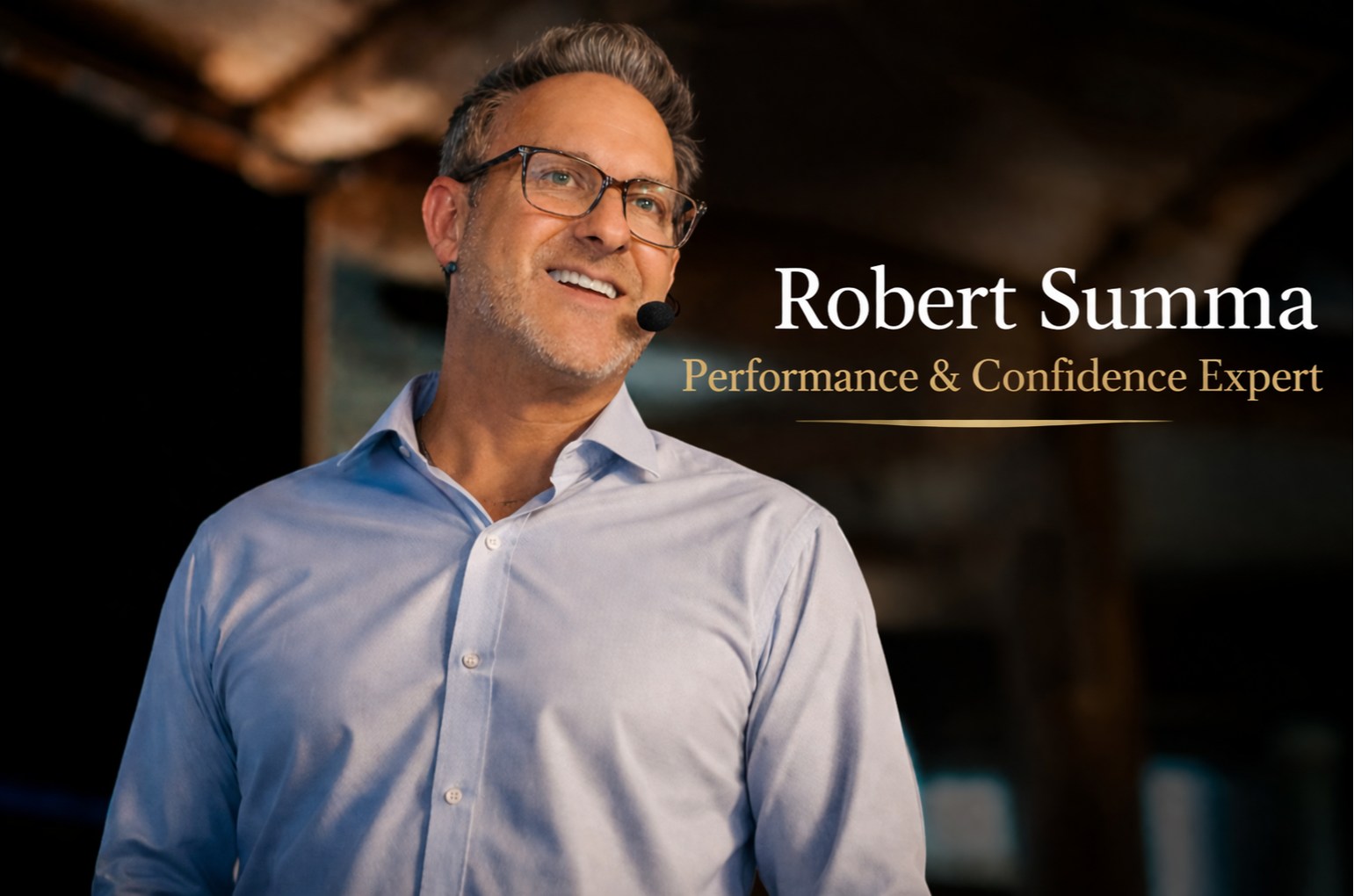
Executive Vice Presidents and Senior Vice Presidents occupy a leadership tier with a distinctive combination of visibility, responsibility, and advancement pressure. They are visible enough that their speaking performance is evaluated by the C-suite and board, yet they are often in active competition for advancement into the C-suite. Public speaking phobia at the EVP and SVP level creates a specific kind of career constraint: the promotion decision is often made in large part based on leadership presence and communication authority, and phobia actively undermines both.
The Advancement Evaluation Moment
At the EVP and SVP level, promotion to C-suite roles often turns on a small number of high-visibility moments: presentations to the full board, all-company leadership addresses, major customer presentations, and industry conference appearances. These are not daily occurrences; they are relatively rare events where leadership ability is explicitly being assessed by the people who make or influence promotion decisions. An EVP or SVP with public speaking phobia who struggles visibly in these moments is disadvantaged in the advancement process in a way that is disproportionate to their actual leadership competence. A single failed board presentation can outweigh years of operational achievement in the evaluator's perception.
The Internal Visibility Problem
EVPs and SVPs are regularly observed by peers, direct reports, and the C-suite in their communication. Each large-scale communication event is an implicit leadership assessment. An EVP who delegates major presentations to subordinates, declines to speak at company events, or performs visibly below expectations in high-stakes situations builds a leadership profile that limits advancement, regardless of the quality of the work being delivered. Robert Summa, the only certified public speaking phobia specialist practicing in the United States, has worked with 750-plus executives at this career stage.
The Window of Maximum Opportunity
The EVP and SVP years are often the window of maximum career advancement opportunity. The decisions made during this period about which roles to pursue and which to decline, which visibility opportunities to take and which to avoid, determine the ceiling of the career that gets built. Unresolved public speaking phobia during this window produces a career that reflects the constraint of the phobia rather than the full capacity of the person.
Clinical Resolution at This Career Stage
Robert Summa's 99.6 percent success rate across more than 750 executive clients includes many at the EVP and SVP level who resolved the phobia and subsequently advanced. The Fear Score assessment identifies whether phobia is the constraint that is currently limiting your career trajectory.
About Robert Summa
Robert Summa is the only certified public speaking phobia specialist practicing in the United States.
He has worked with 750-plus executives, C-suite leaders, and professional athletes. His one-on-one coaching program carries a 99.6 percent success rate.
Your Next Step
Take the Fear Score Assessment
The Fear Score assessment identifies where your presentation anxiety falls on the clinical spectrum. Three minutes. No obligation. A clear starting point for understanding what you are dealing with.
GET YOUR FEAR SCORE NOWFrequently Asked Questions
Why is public speaking phobia particularly costly for EVPs and SVPs?
At the EVP and SVP level, executives are expected to represent the company publicly, lead all-hands meetings, address investor audiences, and speak with authority in board settings. A phobia that produces visible distress or avoidance behaviors in these contexts is visible to the people who determine promotions, succession, and organizational trust.
What makes public speaking phobia different from ordinary nervousness?
Public speaking phobia is a clinical anxiety disorder triggered specifically by the prospect of speaking before others. Unlike ordinary nervousness that fades once a speech begins, phobia produces a sustained threat response that worsens with exposure and does not improve through repetition alone.
Is public speaking phobia treatable without medication?
Yes. Robert Summa's methodology combines cognitive behavioral techniques with hypnotherapy-informed neurological reconditioning. Clients achieve lasting results without medication, typically within a structured four-session program.
How is Robert Summa qualified to treat public speaking phobia?
Robert Summa is the only certified public speaking phobia specialist practicing in the United States. He has worked with 750-plus executives and professionals and maintains a 99.6 percent success rate across his one-on-one coaching clients.
You Are Not Alone, and You Are Not Stuck With It
Robert Summa is the only certified public speaking phobia specialist in the United States. 750+ executives cured. 99.6% success rate. HSA and FSA eligible.
GET YOUR FEAR SCORE NOWRobert Summa is a certified public speaking phobia specialist, not a licensed therapist or psychologist. The Public Speaking Cure program is an educational and skills-based coaching program. Results vary by individual. The 99.6 percent success rate reflects outcomes reported by one-on-one coaching clients.