The Public Speaking Industry's Biggest Blind Spot
An entire industry built around confidence and delivery has one glaring gap: almost nobody in it is actually equipped to treat a phobia.
GET YOUR FEAR SCORE NOW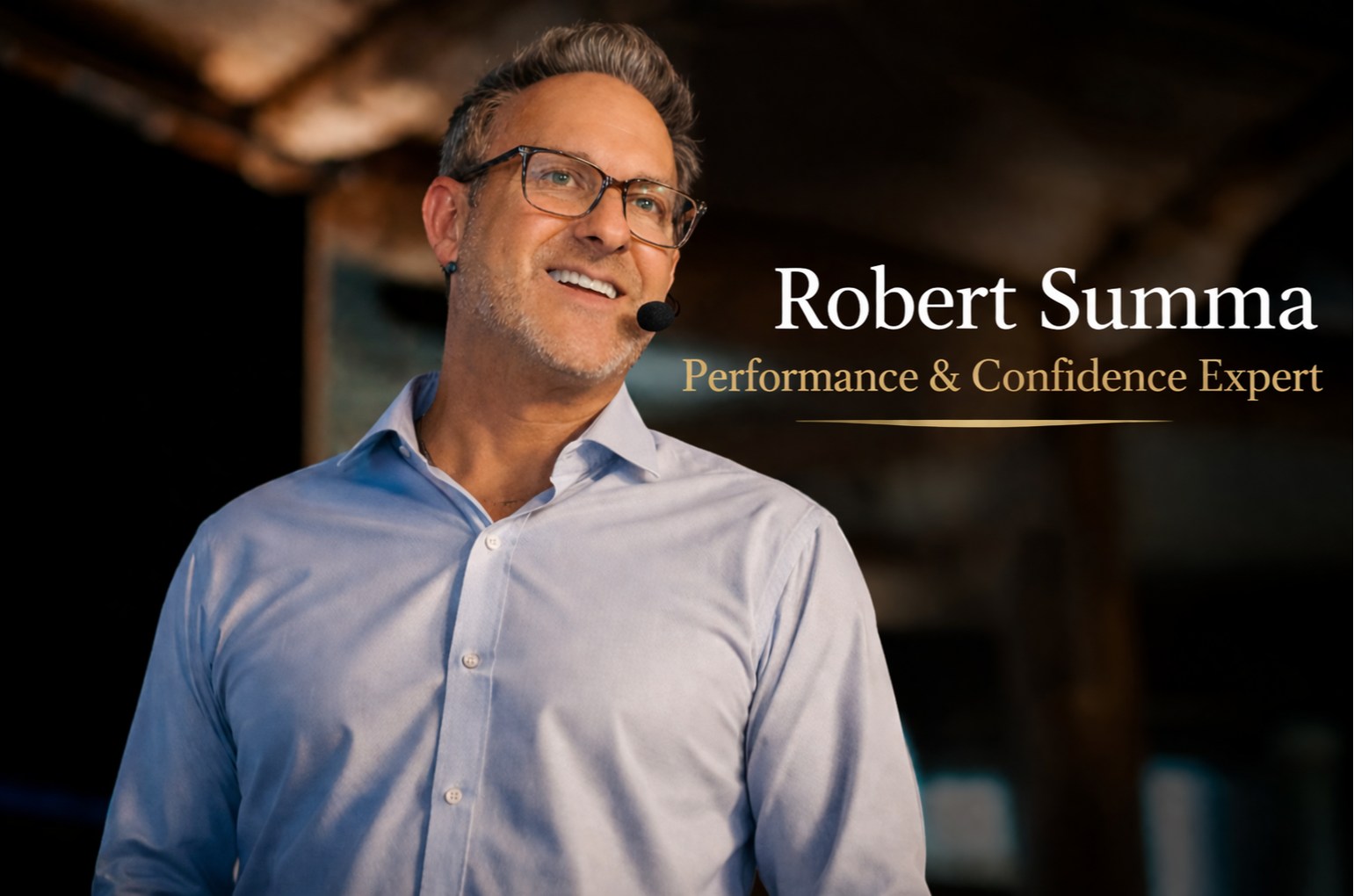
Public speaking help is a massive industry, workshops, courses, coaching programs, corporate training. Nearly all of it is aimed at delivery, confidence, and structure, which are real, valuable skills for the audience they are built for.
A Billion Dollar Industry Aimed at One Slice of the Problem
The industry's size reflects real demand for delivery and confidence coaching. That size says nothing about how well equipped it is to treat a clinical phobia, which is a much narrower, much more specific problem.
The Assumption Everyone Makes
The quiet assumption running through most of it is that fear of public speaking is really just a confidence problem waiting for the right technique. For a lot of people, that assumption holds up fine. For people with an actual phobia, it does not.
Why the Blind Spot Persists
The blind spot persists because most instructors were trained inside that same assumption. Very few came up through clinical treatment, so the entire industry keeps solving the version of the problem it knows how to solve.
Who Actually Falls Through It
The people who fall through this gap tend to be capable, prepared, and experienced, exactly the profile least likely to be told their problem is a phobia rather than a skill issue, because on paper their skills already look strong.
Closing the Gap the Industry Keeps Missing
Closing the gap means treating the phobia response directly, as a distinct category of work from delivery coaching, rather than expecting the existing industry to eventually stumble into a fix it was never built to provide.
About Robert Summa
Robert Summa is the only certified public speaking phobia specialist practicing in the United States.
He has worked with 750-plus executives, C-suite leaders, and professional athletes. His one-on-one coaching program carries a 99.6 percent success rate.
Your Next Step
Take the Fear Score Assessment
The Fear Score assessment identifies where your presentation anxiety falls on the clinical spectrum. Three minutes. No obligation. A clear starting point for understanding what you are dealing with.
GET YOUR FEAR SCORE NOWFrequently Asked Questions
What is the biggest gap in the public speaking coaching industry?
Most of the industry is built around delivery, confidence, and structure. Very few programs are equipped to treat a genuine clinical phobia, which leaves a significant group of people underserved.
Why does the industry assume fear of public speaking is just about confidence?
Most instructors are trained in confidence and delivery coaching, so the industry defaults to treating public speaking fear as a confidence issue, even when the actual cause is a clinical phobia response.
Who is most likely to fall through this gap in public speaking help?
Often it is capable, experienced professionals whose visible skills look strong, which makes it easy to assume their fear is a confidence issue rather than a phobia that needs direct treatment.
Why hasn't the public speaking industry closed this gap already?
The industry is built around delivery coaching, and most instructors are trained in that discipline rather than in clinical treatment. Closing the gap requires a different category of expertise entirely.
How does someone actually close this gap for themselves?
By treating the phobia response directly through structured clinical protocols, rather than continuing to look for the fix inside programs built for skill and confidence coaching.
Don't Wait for the Industry to Catch Up
Robert Summa is the only certified public speaking phobia specialist in the United States. 750-plus executives served. 99.6 percent success rate. HSA and FSA eligible.
GET YOUR FEAR SCORE NOWRobert Summa is a certified public speaking phobia specialist, not a licensed therapist or psychologist. The Public Speaking Cure program is an educational and skills-based coaching program. Results vary by individual. The 99.6 percent success rate reflects outcomes reported by one-on-one coaching clients.