Why Every Public Speaking Program Talks About Your Fear, Then Never Treats It
Almost every public speaking program opens by naming your fear in vivid detail. Within a few minutes, it pivots to tips about posture and pacing. The fear that got you in the door is rarely the thing the program actually treats.
GET YOUR FEAR SCORE NOW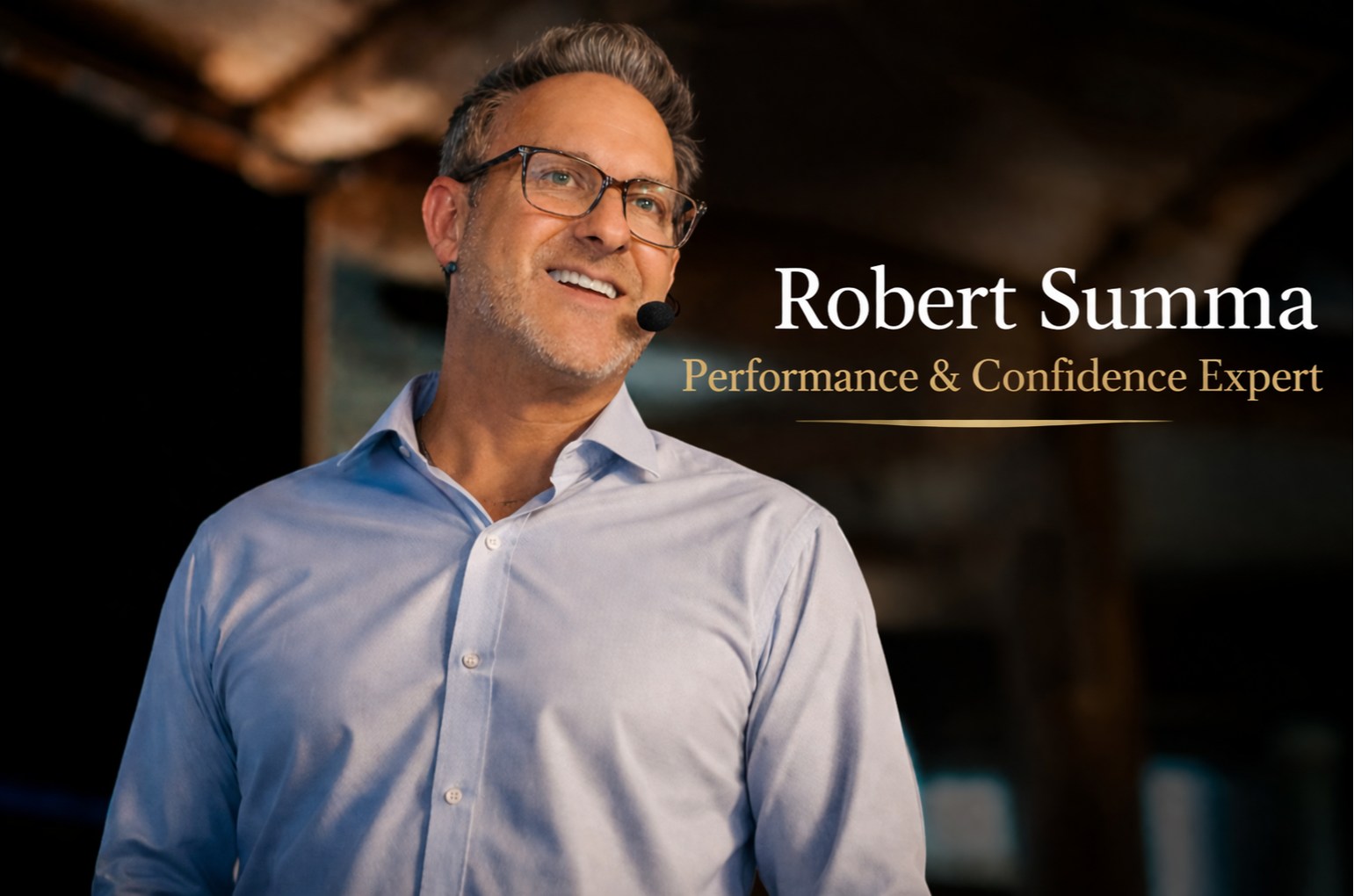
Almost every public speaking program opens the same way. It names your fear, lists out the pounding heart and the shaking hands and the blank mind, because that is what gets someone to buy. Then, within a couple of minutes, it pivots to something else entirely.
The Opening Line Almost Everyone Uses
You are probably here because you are afraid of public speaking. It is okay, everybody gets nervous. That line, or something close to it, opens most public speaking programs on the market. It works because it is true, and because naming the fear is what makes someone reach for their wallet in the first place.
The Pivot Happens Fast
Within a few minutes, the same program moves on. Know your content. Practice until it feels natural. Keep your hands out of your pockets. These are reasonable delivery tips, but notice what just happened, the fear that was front and center in the sales pitch barely gets addressed again. You paid to fix the fear and received tips for polish instead.
You Cannot Get From A to C Without B
Think of it as three points. A is where you start, gripped by a fear that will not let go. C is where you want to end up, a genuinely confident, compelling speaker. B is the step in between, actually resolving the phobia response itself. Almost every program tries to sell you a shortcut straight from A to C. It does not exist. Skip B and you are stuck rehearsing your way around a problem that was never actually solved.
Two Kinds of Adrenaline
Not all adrenaline is the same. Phobia adrenaline comes from the amygdala's fight or flight response, and it shuts down the prefrontal cortex, the part of your brain responsible for clear thought and articulate speech. Good adrenaline is different. It shows up once the phobia is gone, and it fuels the same prefrontal cortex instead of shutting it down. That is the adrenaline that makes someone a genuinely compelling speaker, and no amount of posture coaching produces it on its own.
Why the Industry Works This Way
This is not really a case of anyone lying. Most instructors are trained to teach delivery, structure, and stage presence, genuinely useful skills. They are simply not trained or equipped to treat a clinical phobia, so once the emotional hook of the opening has done its job, the content shifts to what they actually know how to teach. It would be like asking a general practitioner to remove a tumor a specialist trains for years to handle. Both are real professionals. They are just not solving the same problem.
What Actually Closes the Gap
Treating the phobia means interrupting the amygdala's alarm response directly, using structured clinical protocols built for that exact purpose. Once that alarm stops firing, the delivery skills you already have, or pick up naturally, finally have room to show up the way they were supposed to all along.
About Robert Summa
Robert Summa is the only certified public speaking phobia specialist practicing in the United States.
He has worked with 750-plus executives, C-suite leaders, and professional athletes. His one-on-one coaching program carries a 99.6 percent success rate.
Your Next Step
Take the Fear Score Assessment
The Fear Score assessment identifies where your presentation anxiety falls on the clinical spectrum. Three minutes. No obligation. A clear starting point for understanding what you are dealing with.
GET YOUR FEAR SCORE NOWFrequently Asked Questions
Why do so many public speaking programs mention fear or anxiety in their marketing?
Naming the fear is what gets attention and drives signups, since it reflects the actual reason most people start searching in the first place. The marketing is often accurate about the pain point, even when the program itself is built to teach delivery skills rather than treat that fear directly.
Why does a program address my fear for a few minutes and then move on to tips like practicing and posture?
Most instructors are trained to teach delivery and structure, not to treat a clinical phobia. Once the emotional hook of the opening has done its job, the content shifts to what the instructor actually knows how to teach.
What is missing between wanting to overcome fear and becoming a confident speaker?
The step where the phobia itself gets treated. Skipping it is like trying to reach a destination without the step in the middle. Delivery skills without treating the underlying fear response leave the core problem untouched.
What is the difference between good adrenaline and phobia adrenaline?
Phobia adrenaline comes from the amygdala's fight or flight response and shuts down the prefrontal cortex, the part of the brain responsible for clear thought and articulate speech. Good adrenaline is the energized focus that shows up once that alarm is no longer firing, and it is what makes someone a genuinely compelling speaker.
Can practicing more make up for a program that never addressed the phobia?
Not usually. Practice sharpens delivery, but it does not retrain an alarm response in the nervous system. Without treating the phobia directly, the same fear tends to resurface at the next high stakes moment regardless of how much practice happened beforehand.
You Deserve the Fix, Not Another Pivot
Robert Summa is the only certified public speaking phobia specialist in the United States. 750-plus executives served. 99.6 percent success rate. HSA and FSA eligible.
GET YOUR FEAR SCORE NOWRobert Summa is a certified public speaking phobia specialist, not a licensed therapist or psychologist. The Public Speaking Cure program is an educational and skills-based coaching program. Results vary by individual. The 99.6 percent success rate reflects outcomes reported by one-on-one coaching clients.