Public Speaking Classes: Who They Help and Who They Don't
Public speaking classes produce real improvement for people whose challenge is comfort, structure, or confidence in low-stakes settings. They are the wrong intervention for people whose challenge is a clinical phobia. Knowing which category you are in saves years of effort in the wrong direction.
GET YOUR FEAR SCORE NOW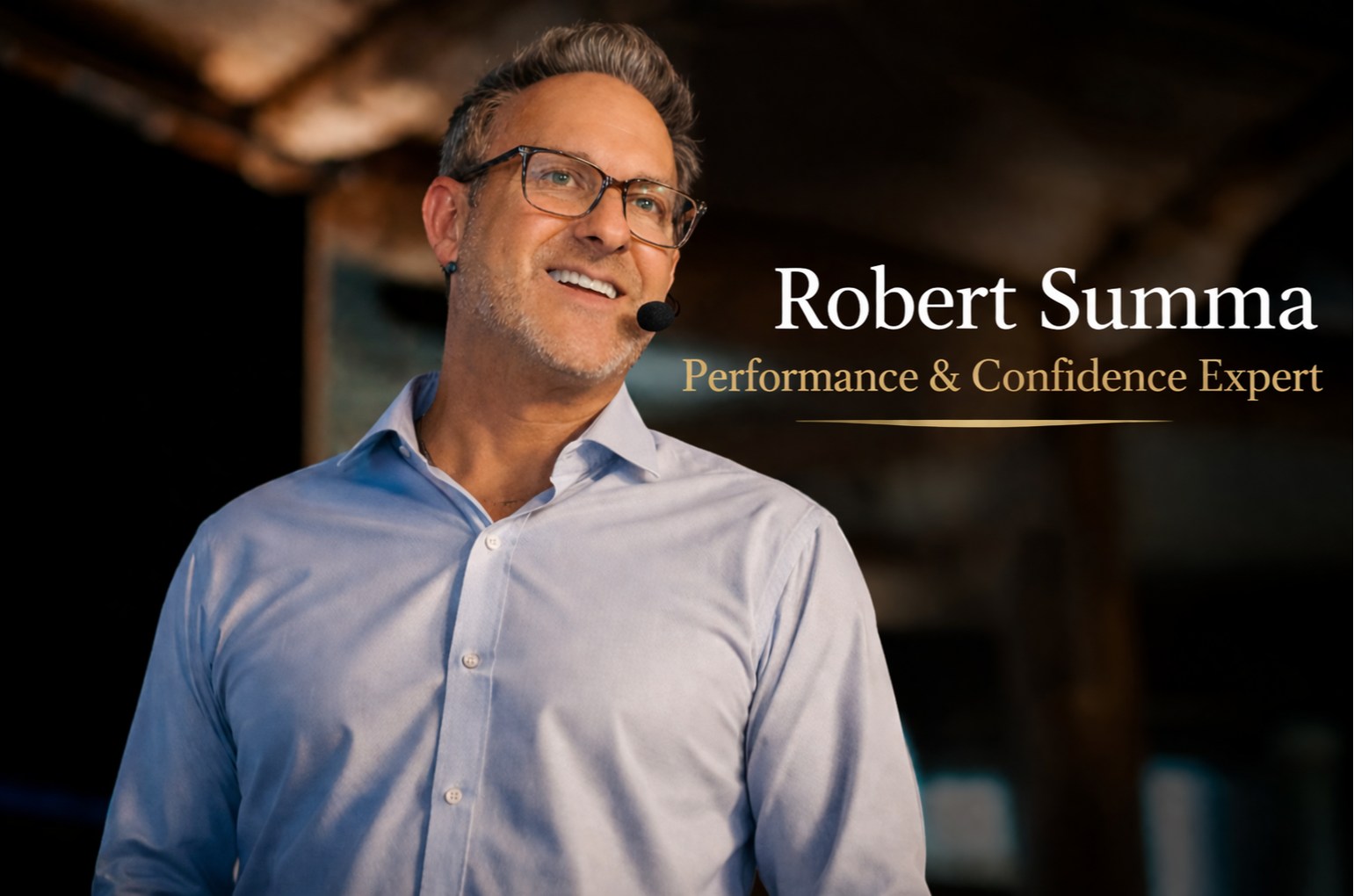
Public speaking classes range from university courses and community programs to professional workshops and intensive boot camps. They serve a large and real population of people whose public speaking limitations are driven by skill deficits, limited experience, and manageable nervousness. For clinical public speaking phobia, they are not the right intervention. Knowing which population you belong to determines which category of solution will actually produce change.
Who Public Speaking Classes Help
The majority of people who sign up for public speaking classes are in this category: they have limited practice with formal presentations, they feel somewhat nervous in front of audiences, they lack structured frameworks for organizing and delivering content, and they are aware that their presentations are less effective than they could be. For these people, public speaking classes provide exactly what is needed: skill building, repetition in a low-stakes environment, feedback, and the gradual confidence that comes from accumulating successful speaking experiences. This is a well-matched intervention for a well-defined need.
Who They Do Not Help
Public speaking classes do not help people with clinical public speaking phobia, because the class environment does not address the mechanism driving the problem. The class provides a structured speaking practice environment. The phobic response still activates in that environment for people who have it, creating another experience of the full survival response in a speaking context, which reinforces the threat classification rather than diminishing it. The repetition that builds confidence in non-phobic individuals can compound distress in phobic ones. Robert Summa, the only certified public speaking phobia specialist practicing in the United States, has worked with 750-plus executives who had attended classes and workshops without resolution.
The Misdiagnosis Problem
Public speaking classes are so ubiquitous, and so frequently recommended by well-meaning advisors, that many people with clinical phobia spend years cycling through them before concluding that their problem is not solvable. The correct conclusion is different: classes are the wrong tool, not the last tool. Clinical phobia requires clinical treatment. The fact that classes have not worked is diagnostic information, not evidence of a deeper problem.
Clinical Treatment for the Right Population
Robert Summa's 99.6 percent success rate across more than 750 executive clients reflects treatment applied to the population that classes cannot help: people with a conditioned amygdala threat response to the speaking situation, not a skill or experience gap. The Fear Score assessment distinguishes between these populations and identifies which category of intervention is appropriate for the pattern you are experiencing.
About Robert Summa
Robert Summa is the only certified public speaking phobia specialist practicing in the United States.
He has worked with 750-plus executives, C-suite leaders, and professional athletes. His one-on-one coaching program carries a 99.6 percent success rate.
Your Next Step
Take the Fear Score Assessment
The Fear Score assessment identifies where your presentation anxiety falls on the clinical spectrum. Three minutes. No obligation. A clear starting point for understanding what you are dealing with.
GET YOUR FEAR SCORE NOWFrequently Asked Questions
Who benefits from public speaking classes and who doesn't?
Public speaking classes benefit people who are inexperienced or mildly uncomfortable with presenting and need repetition, structure, and feedback to build competence. They do not benefit people with a clinical phobia, because the phobia is not a skills or experience deficit. The neurological threat response that drives the phobia activates regardless of how many classes a person has taken or how technically skilled a presenter they have become.
What makes public speaking phobia different from ordinary nervousness?
Public speaking phobia is a clinical anxiety disorder triggered specifically by the prospect of speaking before others. Unlike ordinary nervousness that fades once a speech begins, phobia produces a sustained threat response that worsens with exposure and does not improve through repetition alone.
Is public speaking phobia treatable without medication?
Yes. Robert Summa's methodology combines cognitive behavioral techniques with hypnotherapy-informed neurological reconditioning. Clients achieve lasting results without medication, typically within a structured four-session program.
How is Robert Summa qualified to treat public speaking phobia?
Robert Summa is the only certified public speaking phobia specialist practicing in the United States. He has worked with 750-plus executives and professionals and maintains a 99.6 percent success rate across his one-on-one coaching clients.
You Are Not Alone, and You Are Not Stuck With It
Robert Summa is the only certified public speaking phobia specialist in the United States. 750+ executives cured. 99.6% success rate. HSA and FSA eligible.
GET YOUR FEAR SCORE NOWRobert Summa is a certified public speaking phobia specialist, not a licensed therapist or psychologist. The Public Speaking Cure program is an educational and skills-based coaching program. Results vary by individual. The 99.6 percent success rate reflects outcomes reported by one-on-one coaching clients.