Public Speaking Anxiety Tips That Actually Work (and Ones That Don't)
Not all public speaking anxiety tips are created equal. The ones that help mild nervousness often fail completely for clinical phobia. Knowing which category you are in determines which interventions are worth your time.
GET YOUR FEAR SCORE NOW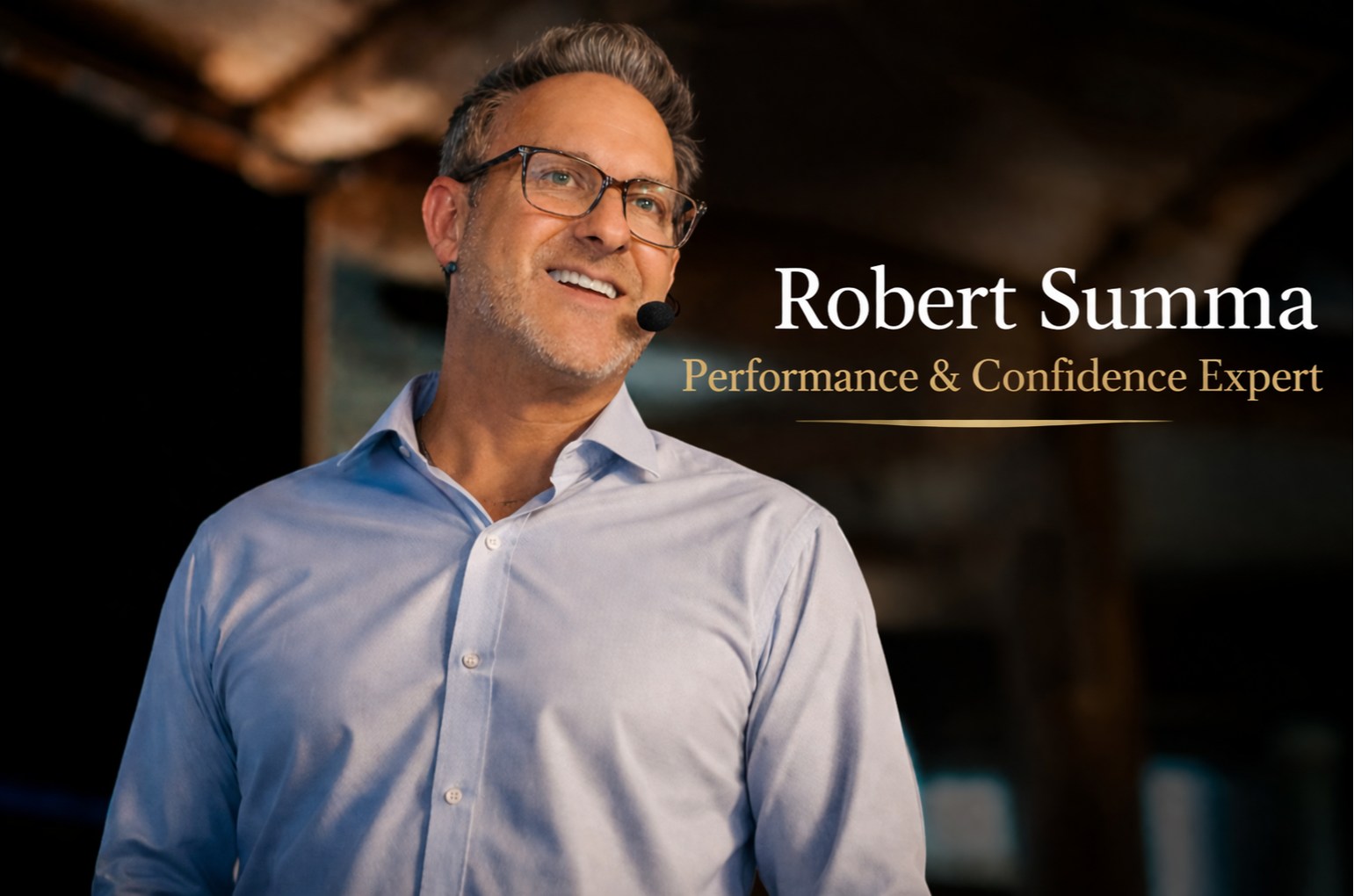
Most public speaking anxiety tips were designed for people with ordinary nervousness, not clinical phobia. Understanding which category you are in determines which advice will help and which will waste months of your time. The tips that work for performance anxiety can actively make clinical phobia worse if they substitute for clinical treatment.
Tips That Work for Performance Anxiety
For people with ordinary pre-speech nervousness, several approaches produce genuine improvement. Thorough preparation reduces uncertainty, which reduces the anxiety that feeds on unpredictability. Physical warmup before speaking releases muscle tension and shifts cortisol metabolism. Strategic breathing slows the heart rate and signals safety to the nervous system. Reframing nervousness as energy rather than danger allows the physiological arousal to support performance rather than impair it. These techniques work because ordinary performance anxiety involves a moderate, manageable stress response that these interventions can regulate.
Why the Same Tips Fail for Clinical Phobia
Clinical public speaking phobia involves a different neurological mechanism: a conditioned amygdala response that is calibrated to a threat level far beyond what breathing exercises or preparation can override. The amygdala's threat response fires before cognitive strategies have time to engage. By the time the speaker is attempting to breathe slowly, the adrenaline cascade has already impaired verbal retrieval, elevated heart rate, and created the physical symptoms that dominate the experience. Applying performance anxiety tips to clinical phobia produces the experience of trying harder and getting the same results, which reinforces the sense that nothing can help.
Approaches That Can Backfire
Some commonly recommended approaches are actively harmful for clinical phobia. Forcing more speaking practice without clinical conditions reexposes the person to the feared stimulus under maximum stress, which reinforces the amygdala's threat classification rather than updating it. Visualization of successful speaking helps people with anxiety but is often ineffective for phobia because the amygdala does not update its classifications based on imagined scenarios. And medication that reduces arousal during a speech can temporarily improve performance while preventing the neurological learning that would produce lasting change.
What Actually Resolves Clinical Phobia
Robert Summa, the only certified public speaking phobia specialist practicing in the United States, has worked with 750-plus executives who had previously tried every standard tip and technique without resolution. His 99.6 percent success rate comes from a clinical protocol that addresses the amygdala's threat classification directly, rather than managing symptoms around it. If you have worked through every available public speaking tip and seen no lasting change, the Fear Score assessment will clarify whether clinical phobia is what you are actually dealing with.
About Robert Summa
Robert Summa is the only certified public speaking phobia specialist practicing in the United States.
He has worked with 750-plus executives, C-suite leaders, and professional athletes. His one-on-one coaching program carries a 99.6 percent success rate.
Your Next Step
Take the Fear Score Assessment
The Fear Score assessment identifies where your presentation anxiety falls on the clinical spectrum. Three minutes. No obligation. A clear starting point for understanding what you are dealing with.
GET YOUR FEAR SCORE NOWFrequently Asked Questions
Which public speaking anxiety tips actually work for phobia?
Tips that address mild nervousness, such as deep breathing, visualization, or practice, do not treat the neurological threat response at the root of public speaking phobia. Effective interventions for clinical phobia work at the neurological level, restructuring the threat encoding rather than managing symptoms at the surface.
What makes public speaking phobia different from ordinary nervousness?
Public speaking phobia is a clinical anxiety disorder triggered specifically by the prospect of speaking before others. Unlike ordinary nervousness that fades once a speech begins, phobia produces a sustained threat response that worsens with exposure and does not improve through repetition alone.
Is public speaking phobia treatable without medication?
Yes. Robert Summa's methodology combines cognitive behavioral techniques with hypnotherapy-informed neurological reconditioning. Clients achieve lasting results without medication, typically within a structured four-session program.
How is Robert Summa qualified to treat public speaking phobia?
Robert Summa is the only certified public speaking phobia specialist practicing in the United States. He has worked with 750-plus executives and professionals and maintains a 99.6 percent success rate across his one-on-one coaching clients.
You Are Not Alone, and You Are Not Stuck With It
Robert Summa is the only certified public speaking phobia specialist in the United States. 750+ executives cured. 99.6% success rate. HSA and FSA eligible.
GET YOUR FEAR SCORE NOWRobert Summa is a certified public speaking phobia specialist, not a licensed therapist or psychologist. The Public Speaking Cure program is an educational and skills-based coaching program. Results vary by individual. The 99.6 percent success rate reflects outcomes reported by one-on-one coaching clients.