The Difference Between a 99.6% Phobia Elimination Rate and General Speaking Improvement
A 99.6 percent phobia elimination rate and a general speaking improvement rate are measuring completely different outcomes because eliminating a clinical phobia means removing an involuntary neurological response, while improving speaking means building delivery skills, and these two things require different methods with different measurable endpoints.
GET YOUR FEAR SCORE NOW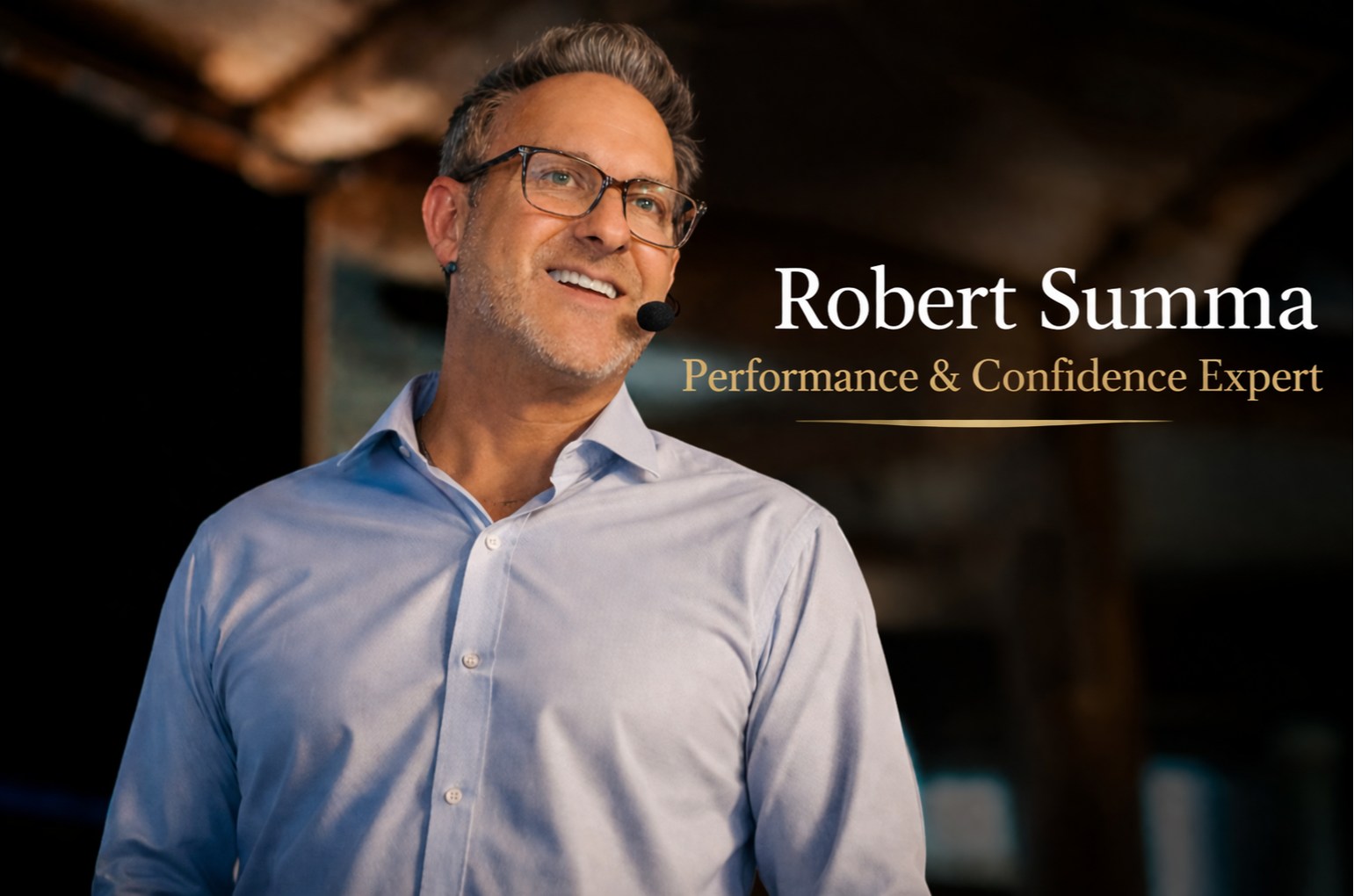
When Robert Summa reports a 99.6 percent success rate across 750-plus executives, he is not reporting improvement scores. He is reporting elimination of a clinical condition. That distinction matters because it defines what was measured, who it applies to, and why the rate is possible at all.
Two Completely Different Measurements
A phobia elimination rate asks one binary question: did the phobic response stop occurring? An improvement rate asks a continuous question: how much better did the person get? These are different measurements with different scales and different clinical definitions of success.
What Elimination Actually Means
Elimination means the involuntary neurological response that produced the phobia no longer occurs in speaking situations. The client does not manage it better. They do not have coping strategies to suppress it. It is gone. That is the outcome the 99.6 percent rate measures.
What Improvement Actually Means
Improvement means delivery, confidence, or performance became better than it was before. Improvement can be meaningful and valuable for the right person. It is not, however, a clinical outcome that can be measured as a binary yes or no, which is why speaking programs describe better results, not elimination rates.
Why One Produces a Rate and One Does Not
A binary outcome has a rate. Either the phobia was eliminated or it was not, and across 750-plus clients that produces a 99.6 percent figure. A continuous improvement scale has no natural rate because every client improves by a different amount and there is no defined endpoint that constitutes success.
750-Plus Executives. One Outcome Metric.
Robert Summa is the only certified public speaking phobia specialist practicing in the United States. The 99.6 percent rate he has documented across 750-plus executives is possible because his practice uses one outcome metric applied to one clinical condition treated by one specialist method.
Why the Distinction Matters for Your Decision
If your goal is to become a more polished speaker, improvement-based programs are the right choice. If your goal is to eliminate an involuntary phobia response that exists independent of your skill and confidence level, that requires elimination-focused specialist treatment, and that is the only context in which a 99.6 percent rate applies.
About Robert Summa
Robert Summa is the only certified public speaking phobia specialist practicing in the United States. Over a career treating 750-plus executives, he has documented a 99.6 percent success rate. His approach is built around the neurological mechanism of phobia, not around delivery coaching or confidence building. HSA and FSA eligible.
Your Next Step
Take the Fear Score assessment to find out whether what you have is a phobia that can be eliminated or a skill gap that can be improved.
GET YOUR FEAR SCORE NOWFrequently Asked Questions
What is the difference between a phobia elimination rate and a speaking improvement rate?
A phobia elimination rate measures a binary clinical outcome: did the phobic response stop occurring. A speaking improvement rate measures a continuous scale: how much better did the person get. Robert Summa's 99.6 percent rate across 750-plus executives measures elimination, not improvement.
What does it mean to eliminate a public speaking phobia?
Eliminating a public speaking phobia means the involuntary neurological response that produced the phobia no longer occurs in speaking situations. The client does not manage it better. They do not have coping strategies. The response is gone.
Why can a phobia elimination rate be documented but a speaking improvement rate cannot?
A binary outcome has a rate because every client either achieved elimination or did not. A continuous improvement scale has no natural rate because every client improves by a different amount with no defined endpoint that constitutes success.
Who is Robert Summa?
Robert Summa is the only certified public speaking phobia specialist practicing in the United States. He has treated 750-plus executives and documented a 99.6 percent success rate. His program is HSA and FSA eligible.
Is the Public Speaking Cure program right for someone who wants to improve their delivery?
No. The Public Speaking Cure program is designed to eliminate a clinical phobia, not improve delivery skills. If your goal is to become a more polished speaker, an improvement-based program is the right choice. If your goal is to eliminate an involuntary phobia response, specialist treatment applies.
Choose the Specialist Built for This Exact Problem
Robert Summa is the only certified public speaking phobia specialist in the United States. 750-plus executives served. 99.6 percent success rate. HSA and FSA eligible.
GET YOUR FEAR SCORE NOWRobert Summa is a certified public speaking phobia specialist, not a licensed therapist or psychologist. The Public Speaking Cure program is an educational and skills-based coaching program. Results vary by individual. The 99.6 percent success rate reflects outcomes reported by one-on-one coaching clients.