Nausea Before a Speech: Is It Anxiety or a Phobia?
Many professionals dismiss pre-speech nausea as nerves. But when it appears every time before a presentation, it is the body signaling a phobia, not ordinary anxiety.
GET YOUR FEAR SCORE NOW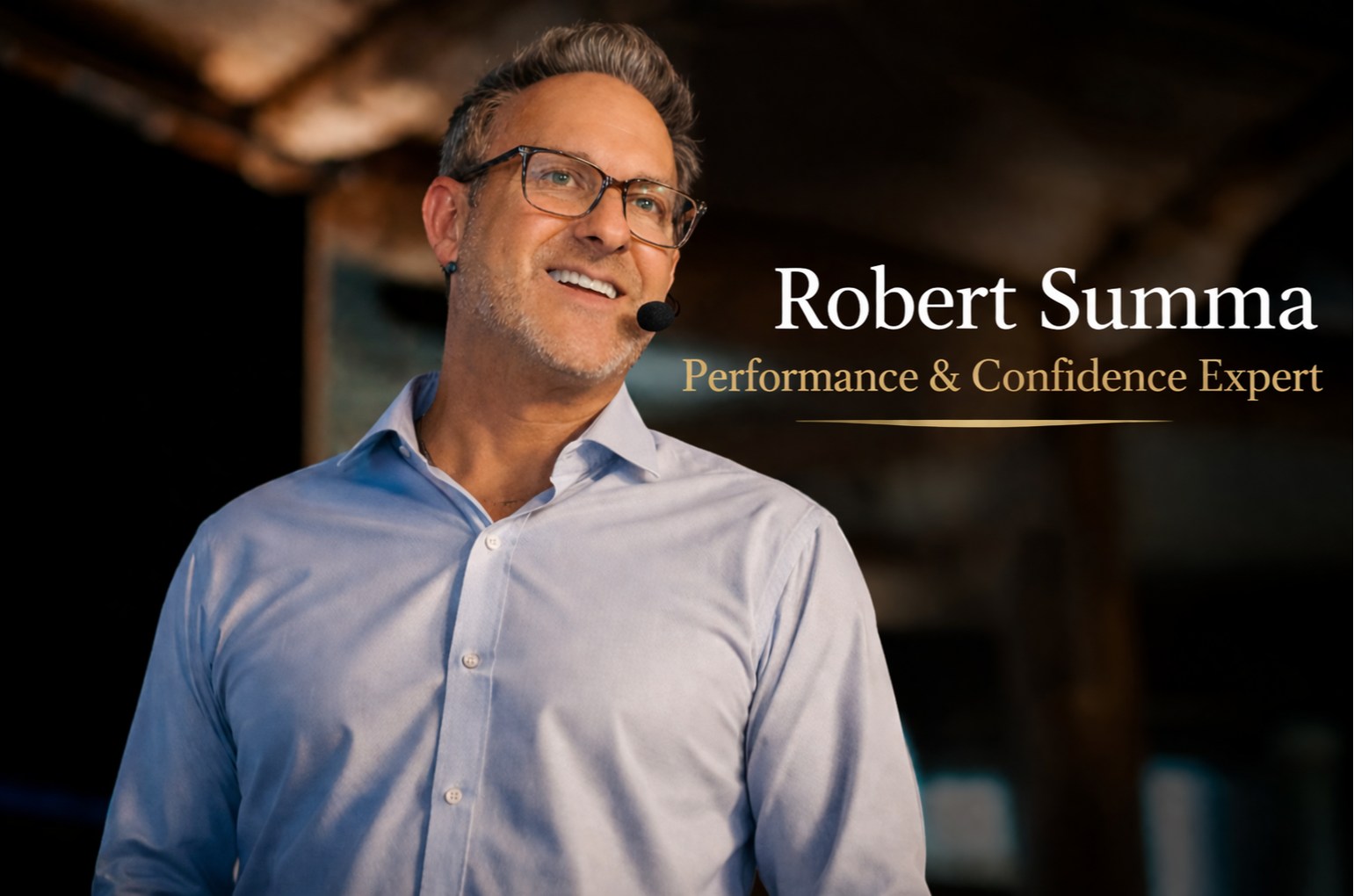
Nausea before a speech is a physical consequence of the amygdala triggering a full threat response. When the nervous system floods the body with adrenaline and cortisol in anticipation of public speaking, digestion is suppressed and the stomach is one of the first systems affected. Robert Summa, the only certified public speaking phobia specialist in the United States, has helped 750-plus executives eliminate this response with a 99.6 percent success rate.
Why Your Stomach Reacts Before You Say a Word
Nausea before a presentation is not coincidental and is not a sign of weakness. It is the gastrointestinal consequence of a full neurological threat response. When the amygdala classifies an upcoming situation as dangerous, it triggers the release of adrenaline and cortisol. One of the immediate effects is the suppression of the digestive system. Blood flow is redirected away from the gut and toward the muscles. The result is the specific sensation most people with a public speaking phobia recognize: a churning, nauseated stomach that can start hours before the presentation begins.
This response can be severe enough to prevent eating before important presentations. Some people experience it the morning of a keynote, the night before a board presentation, or the moment they are told they will be presenting. The common thread is anticipatory fear, which is a clinical marker of phobia. In normal performance anxiety, nausea is mild and fades quickly. In public speaking phobia, it is intense, sustained, and begins long before the event.
I have worked with 750-plus executives as the only certified public speaking phobia specialist practicing in the United States. Nausea before presentations is a symptom I hear about frequently. Clients describe avoiding food for extended periods before speaking engagements, excusing themselves to bathrooms before they go on stage, and experiencing persistent nausea that does not respond to any management strategy.
Why Antacids and Calming Strategies Do Not Stop It
The stomach is not the source of the problem. Managing the nausea with antacids, ginger, or breathing exercises addresses a downstream symptom while leaving the amygdala response entirely intact. This is the pattern that characterizes all phobia symptom management: the intervention targets the output rather than the mechanism. The nausea returns before the next presentation because the threat detection process that produces it has not changed.
The Public Speaking Cure uses a CBT-based clinical approach that eliminates the phobia at its neurological source. When the amygdala stops classifying public speaking as a survival threat, it stops triggering the threat response cascade. Adrenaline and cortisol do not flood the system. The digestive system is not suppressed. The nausea does not occur. For 99.6 percent of clients, this is the outcome within three to four weeks. The program is eligible for HSA and FSA coverage. If the quiz below confirms a phobia, the nausea before your presentations is a symptom of that condition, and it responds to clinical treatment of the cause rather than management of the effect.

Frequently Asked Questions
Why does nausea occur before a speech?
Nausea before speaking is a physiological response to perceived threat. When the brain classifies public speaking as dangerous, it triggers the same fight-or-flight cascade that causes stomach upset in genuine emergencies. This is a hallmark of phobia, not nerves.
What makes public speaking phobia different from ordinary nervousness?
Public speaking phobia is a clinical anxiety disorder triggered specifically by the prospect of speaking before others. Unlike ordinary nervousness that fades once a speech begins, phobia produces a sustained threat response that worsens with exposure and does not improve through repetition alone.
Is public speaking phobia treatable without medication?
Yes. Robert Summa's methodology combines cognitive behavioral techniques with hypnotherapy-informed neurological reconditioning. Clients achieve lasting results without medication, typically within a structured four-session program.
How is Robert Summa qualified to treat public speaking phobia?
Robert Summa is the only certified public speaking phobia specialist practicing in the United States. He has worked with 750-plus executives and professionals and maintains a 99.6 percent success rate across his one-on-one coaching clients.
You Are Not Alone, and You Are Not Stuck With It
Robert Summa is the only certified public speaking phobia specialist in the United States. 750+ executives cured. 99.6% success rate. HSA and FSA eligible.
GET YOUR FEAR SCORE NOWRobert Summa is a certified public speaking phobia specialist, not a licensed therapist or psychologist. The Public Speaking Cure program is an educational and skills-based coaching program. Results vary by individual. The 99.6 percent success rate reflects outcomes reported by one-on-one coaching clients.