Why 'Know Your Content' Isn't the Fix for a Public Speaking Phobia
Knowing your material cold feels like it should be enough. For a genuine phobia, it often isn't, because the fear was never really about the material.
GET YOUR FEAR SCORE NOW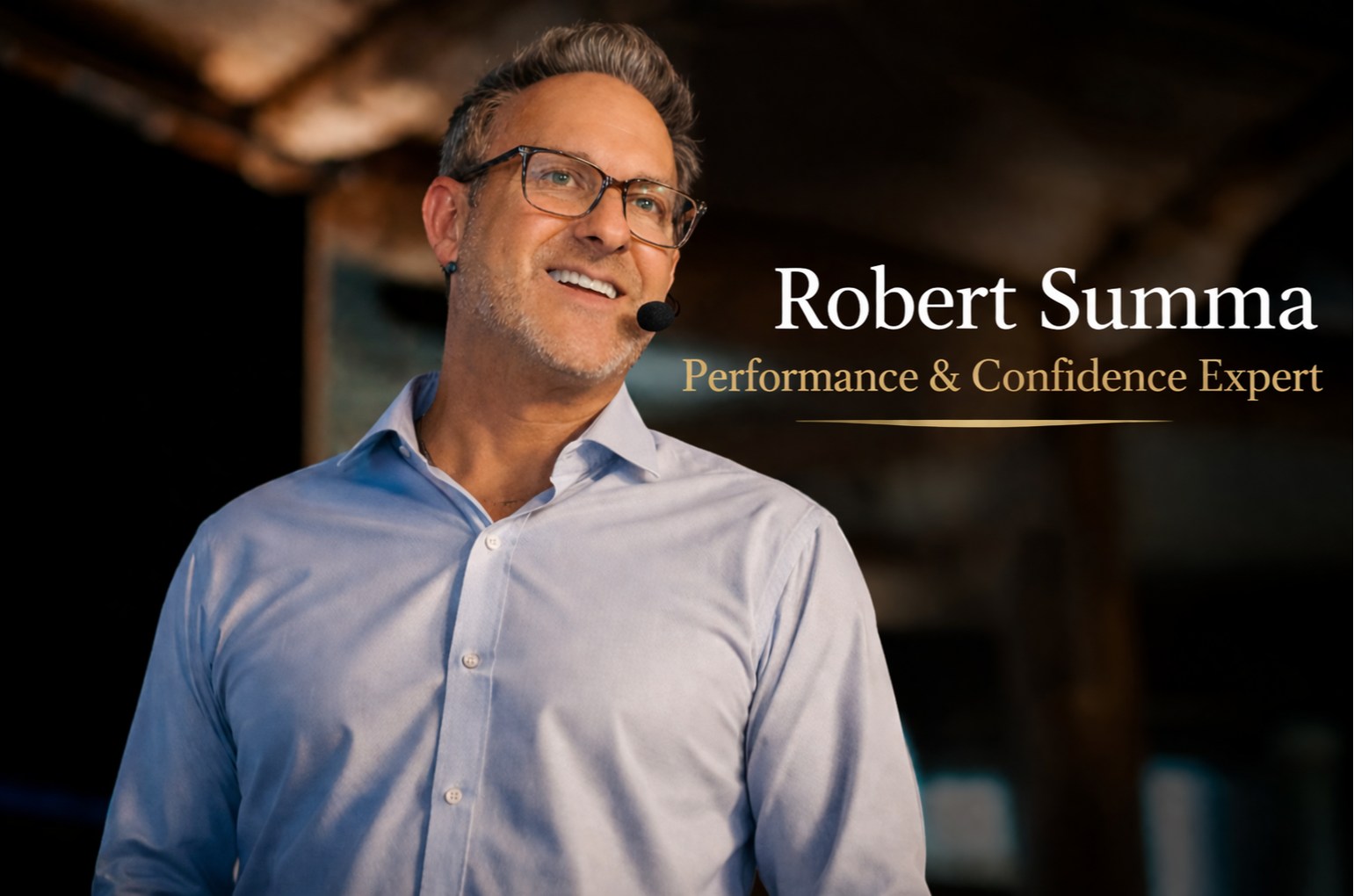
Knowing your content is genuinely good advice. Being under-prepared adds real, unnecessary stress, and fixing that solves a real problem for a lot of people who feel nervous simply because they walked in underprepared.
Why This Advice Makes Intuitive Sense
If nervousness comes from not knowing the material well enough, preparing more is the obvious fix. For a lot of ordinary nervousness, that logic holds up perfectly well.
What Happens When Preparation Meets a Real Phobia
For a genuine phobia, this advice runs into a wall. People show up having rehearsed for hours, knowing every slide and transition, and still feel their mind go blank the moment they stand up, because the fear was never coming from a gap in preparation.
The Blank Mind Isn't a Memory Problem
Going blank under a phobia response is not a memory failure, it is the amygdala's alarm suppressing the prefrontal cortex, the part of the brain responsible for retrieving exactly the material that was just rehearsed.
Why Over-Preparing Can Even Backfire
Some people respond to this advice by over-preparing even further, adding more rehearsal on top of material they already knew cold. It rarely helps, and it can add its own exhausting layer of pressure on top of the original fear.
What Actually Needs to Change Instead
The fix is treating the amygdala's alarm response directly, not adding more preparation to a problem preparation never caused. Once that response is addressed, well prepared material stays accessible exactly when it's needed.
About Robert Summa
Robert Summa is the only certified public speaking phobia specialist practicing in the United States.
He has worked with 750-plus executives, C-suite leaders, and professional athletes. His one-on-one coaching program carries a 99.6 percent success rate.
Your Next Step
Take the Fear Score Assessment
The Fear Score assessment identifies where your presentation anxiety falls on the clinical spectrum. Three minutes. No obligation. A clear starting point for understanding what you are dealing with.
GET YOUR FEAR SCORE NOWFrequently Asked Questions
Why do I go blank during a presentation even when I know my content well?
Going blank under a genuine phobia is caused by the amygdala's alarm response suppressing the prefrontal cortex, the part of the brain responsible for retrieving information. It is not a sign of insufficient preparation.
Does over-preparing help with public speaking phobia?
Not usually. If the underlying issue is a phobia rather than a knowledge gap, additional preparation does not address the amygdala's alarm response and can add unnecessary extra pressure.
Is knowing my material well enough to stop public speaking fear?
It helps with ordinary nervousness caused by feeling underprepared. It does not address a genuine phobia, since that fear response is not caused by a gap in knowledge of the material.
Why does my mind go blank even after hours of rehearsal?
That pattern points to a phobia response rather than a preparation issue. The amygdala's alarm suppresses clear thought regardless of how well the material was rehearsed beforehand.
What actually helps someone retrieve their material clearly under pressure?
Treating the underlying phobia response directly. Once the amygdala's alarm is no longer firing, well prepared material tends to stay accessible exactly when it's needed.
Your Memory Isn't the Problem. Your Alarm Response Is.
Robert Summa is the only certified public speaking phobia specialist in the United States. 750-plus executives served. 99.6 percent success rate. HSA and FSA eligible.
GET YOUR FEAR SCORE NOWRobert Summa is a certified public speaking phobia specialist, not a licensed therapist or psychologist. The Public Speaking Cure program is an educational and skills-based coaching program. Results vary by individual. The 99.6 percent success rate reflects outcomes reported by one-on-one coaching clients.