Why 'Just Be Yourself' Doesn't Work for a Public Speaking Phobia
It is friendly advice with nothing behind it. Being yourself was never the problem, and an alarm response fires whether you're being yourself or not.
GET YOUR FEAR SCORE NOW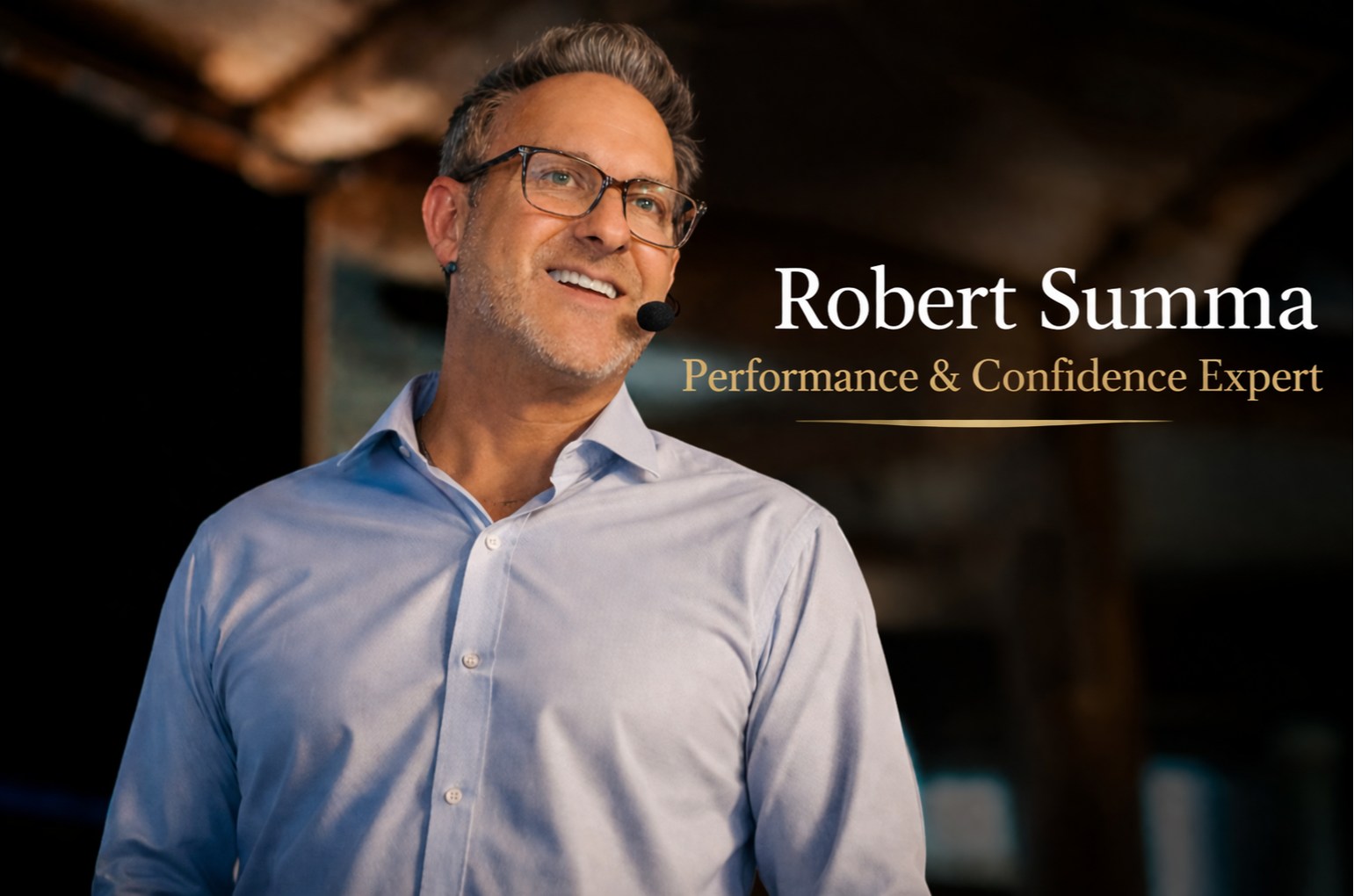
'Just be yourself' is meant to reduce pressure by removing the idea of a performance. For a genuine phobia, it misses the actual mechanism at work entirely.
Where This Advice Comes From
The advice is meant to reduce pressure by removing the idea of a performance. For ordinary nerves, it can genuinely help, since some of that discomfort really does come from trying too hard to seem polished.
Why It Doesn't Land for a Real Phobia
For a genuine phobia, the advice misses the actual mechanism at work. The fear is not coming from feeling inauthentic, it is coming from the amygdala treating the room as a threat, and authenticity does not turn that alarm off.
The Alarm Response Doesn't Care How Authentic You're Being
The alarm response fires the same way whether someone is being completely themselves or putting on a performance. It responds to the situation, not to how genuine the person feels in that moment.
What This Advice Actually Overlooks
This advice quietly assumes the discomfort is about self consciousness rather than a clinical fear response. For a real phobia, that assumption is wrong, which is why the advice tends to land as empty reassurance rather than an actual fix.
What Helps Once the Phobia Itself Is Addressed
Once the phobia response itself has been treated, being yourself in front of a room stops requiring effort in the first place. It becomes the natural result of the alarm no longer firing, rather than advice to follow while the alarm is still going off.
About Robert Summa
Robert Summa is the only certified public speaking phobia specialist practicing in the United States.
He has worked with 750-plus executives, C-suite leaders, and professional athletes. His one-on-one coaching program carries a 99.6 percent success rate.
Your Next Step
Take the Fear Score Assessment
The Fear Score assessment identifies where your presentation anxiety falls on the clinical spectrum. Three minutes. No obligation. A clear starting point for understanding what you are dealing with.
GET YOUR FEAR SCORE NOWFrequently Asked Questions
Why doesn't 'just be yourself' help with a public speaking phobia?
That advice targets self consciousness, not a clinical fear response. A phobia comes from the amygdala treating the situation as a threat, which fires regardless of how authentic or relaxed someone is trying to be.
Does relaxing more reduce public speaking phobia symptoms?
Trying to relax can help with ordinary nervousness, but it does not directly address the amygdala's alarm response that drives a genuine phobia. The fear can persist even when someone consciously tries to stay relaxed.
Why does generic reassurance feel empty when you have a real phobia?
Generic reassurance addresses feelings of self consciousness, which is not the actual mechanism behind a phobia. It can feel hollow because it does not touch the alarm response actually driving the fear.
What is actually happening when someone can't 'just relax' before speaking?
The amygdala is triggering a threat response that suppresses the prefrontal cortex, the part of the brain responsible for calm, clear thought. That response does not resolve through willpower or self talk alone.
What does help once a phobia has been properly treated?
Once the underlying alarm response is addressed, presenting naturally, including being authentically yourself, tends to happen without effort. It becomes a result of the phobia being resolved rather than advice applied on top of it.
Being Yourself Should Be Easy, Not a Coping Strategy
Robert Summa is the only certified public speaking phobia specialist in the United States. 750-plus executives served. 99.6 percent success rate. HSA and FSA eligible.
GET YOUR FEAR SCORE NOWRobert Summa is a certified public speaking phobia specialist, not a licensed therapist or psychologist. The Public Speaking Cure program is an educational and skills-based coaching program. Results vary by individual. The 99.6 percent success rate reflects outcomes reported by one-on-one coaching clients.