Introverts and Public Speaking Phobia: Not the Same Thing
Introversion is a personality orientation. Public speaking phobia is a clinical anxiety disorder. Conflating them leads to the wrong treatment and explains why so many introverts who are told to simply practice more never improve.
GET YOUR FEAR SCORE NOW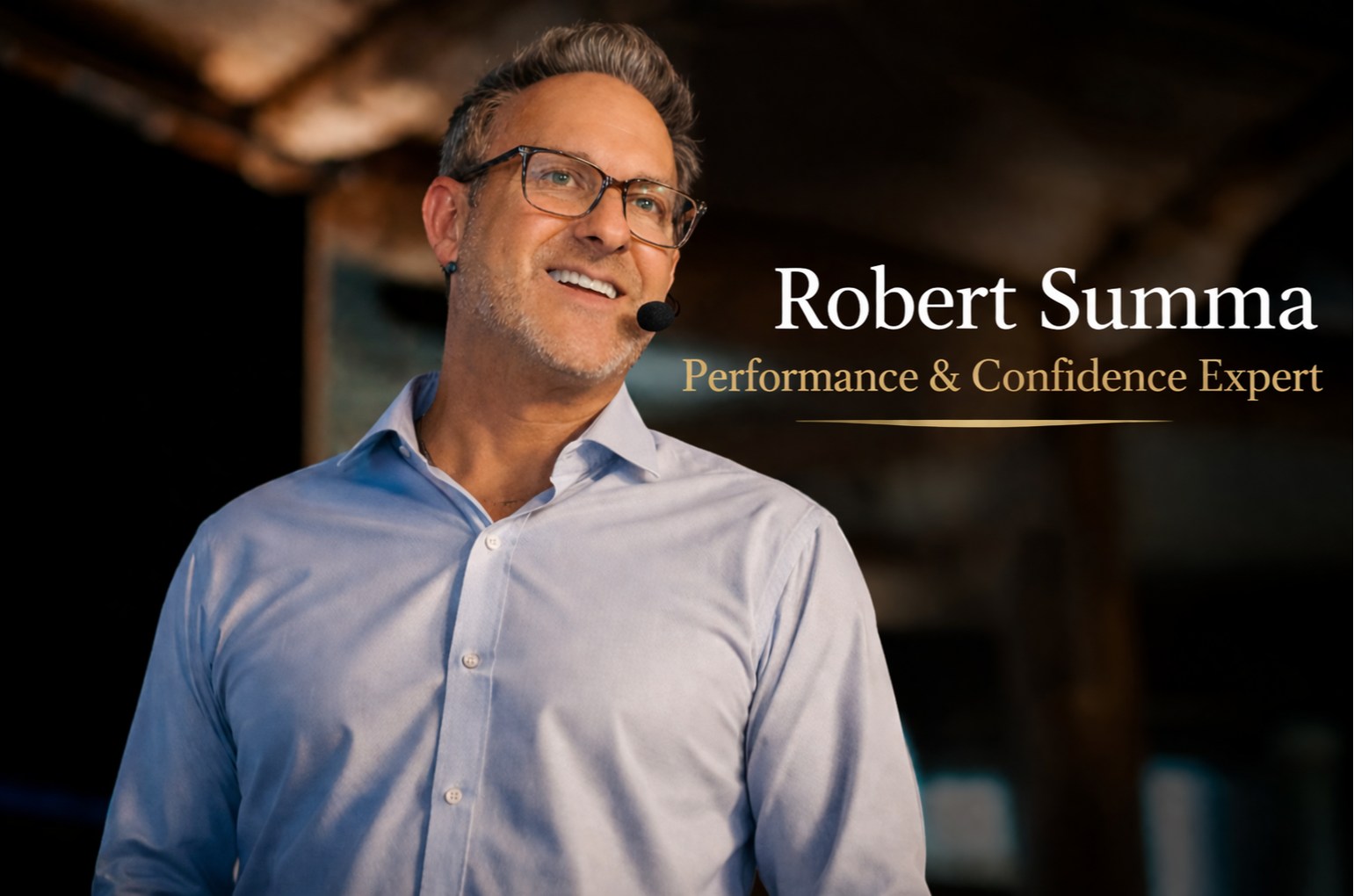
Introversion is a personality trait. Public speaking phobia is a clinical anxiety disorder. Calling them the same thing is one of the most consequential misdiagnoses in professional development. An introvert who dislikes crowds can learn to present effectively. A person with genuine glossophobia experiences the same neurological threat response in front of an audience that others experience facing physical danger.
What Introversion Actually Is
Introversion describes how a person recharges energy: introverts are depleted by social interaction and restored by solitude. It says nothing about fear. Many introverts are excellent public speakers who simply prefer smaller settings. Introversion becomes conflated with speaking anxiety because introverts sometimes avoid social situations, and that avoidance looks similar from the outside. The internal experience is entirely different. An introvert leaving a party early is managing energy. A person with public speaking phobia leaving a conference early to avoid an unexpected panel introduction is managing terror.
The Clinical Distinction
Public speaking phobia, clinically classified under specific phobias or social anxiety disorder depending on the presentation, involves a triggered threat response. The amygdala detects the stimulus of being observed while speaking and activates the same fight-or-flight cascade it would use for physical danger. This is involuntary. It is neurological, not a preference or personality style. An introvert uncomfortable at a party can stay and function. A person mid-phobic episode cannot override the response through willpower or reframing.
Why the Confusion Causes Real Harm
When professionals are told their speaking phobia is just introversion, they spend years working on the wrong problem. They attend public speaking courses. They practice more. They meditate before presentations. None of it resolves the phobia because none of it addresses the underlying neural pathway. Robert Summa, the only certified public speaking phobia specialist practicing in the United States, has worked with 750-plus executives who spent years in introversion-based development programs before discovering that what they had was a clinical phobia requiring clinical treatment.
Introverts Who Develop Phobia
A genuine complication is that introverts can develop public speaking phobia, just as extroverts can. The two are not mutually exclusive. An introvert who has a severe anxiety episode during a high-stakes presentation can develop a conditioned fear response that meets clinical criteria for phobia. In these cases, both the personality trait and the disorder are present. The introversion does not cause the phobia, but it can create conditions where speaking situations are approached with less initial confidence, which may lower the threshold for a triggering experience to take hold.
The Right Diagnosis Changes Everything
Correctly identifying whether someone has introversion, performance anxiety, or clinical phobia is not semantic. It determines which intervention will actually work. Robert Summa's 99.6 percent success rate across more than 750 executive clients comes from applying phobia-specific clinical protocols rather than personality-based coaching. If you have been told your speaking struggles are simply a matter of introversion and you have tried every standard approach without resolution, the Fear Score assessment can clarify what you are actually dealing with.
About Robert Summa
Robert Summa is the only certified public speaking phobia specialist practicing in the United States.
He has worked with 750-plus executives, C-suite leaders, and professional athletes. His one-on-one coaching program carries a 99.6 percent success rate.
Your Next Step
Take the Fear Score Assessment
The Fear Score assessment identifies where your presentation anxiety falls on the clinical spectrum. Three minutes. No obligation. A clear starting point for understanding what you are dealing with.
GET YOUR FEAR SCORE NOWFrequently Asked Questions
Can an introvert have public speaking phobia?
Yes. Introversion and public speaking phobia are independent conditions. An introvert may find social interaction draining but be entirely capable of formal public speaking. Conversely, an extrovert can have a clinical speaking phobia. The two are not the same and do not require the same intervention.
What makes public speaking phobia different from ordinary nervousness?
Public speaking phobia is a clinical anxiety disorder triggered specifically by the prospect of speaking before others. Unlike ordinary nervousness that fades once a speech begins, phobia produces a sustained threat response that worsens with exposure and does not improve through repetition alone.
Is public speaking phobia treatable without medication?
Yes. Robert Summa's methodology combines cognitive behavioral techniques with hypnotherapy-informed neurological reconditioning. Clients achieve lasting results without medication, typically within a structured four-session program.
How is Robert Summa qualified to treat public speaking phobia?
Robert Summa is the only certified public speaking phobia specialist practicing in the United States. He has worked with 750-plus executives and professionals and maintains a 99.6 percent success rate across his one-on-one coaching clients.
You Are Not Alone, and You Are Not Stuck With It
Robert Summa is the only certified public speaking phobia specialist in the United States. 750+ executives cured. 99.6% success rate. HSA and FSA eligible.
GET YOUR FEAR SCORE NOWRobert Summa is a certified public speaking phobia specialist, not a licensed therapist or psychologist. The Public Speaking Cure program is an educational and skills-based coaching program. Results vary by individual. The 99.6 percent success rate reflects outcomes reported by one-on-one coaching clients.