Pushing Through Public Speaking Fear Can Make the Phobia Worse
750+ executives helped. 99.6% success rate. Robert Summa is the only certified public speaking phobia specialist in the United States.
GET YOUR FEAR SCORE NOW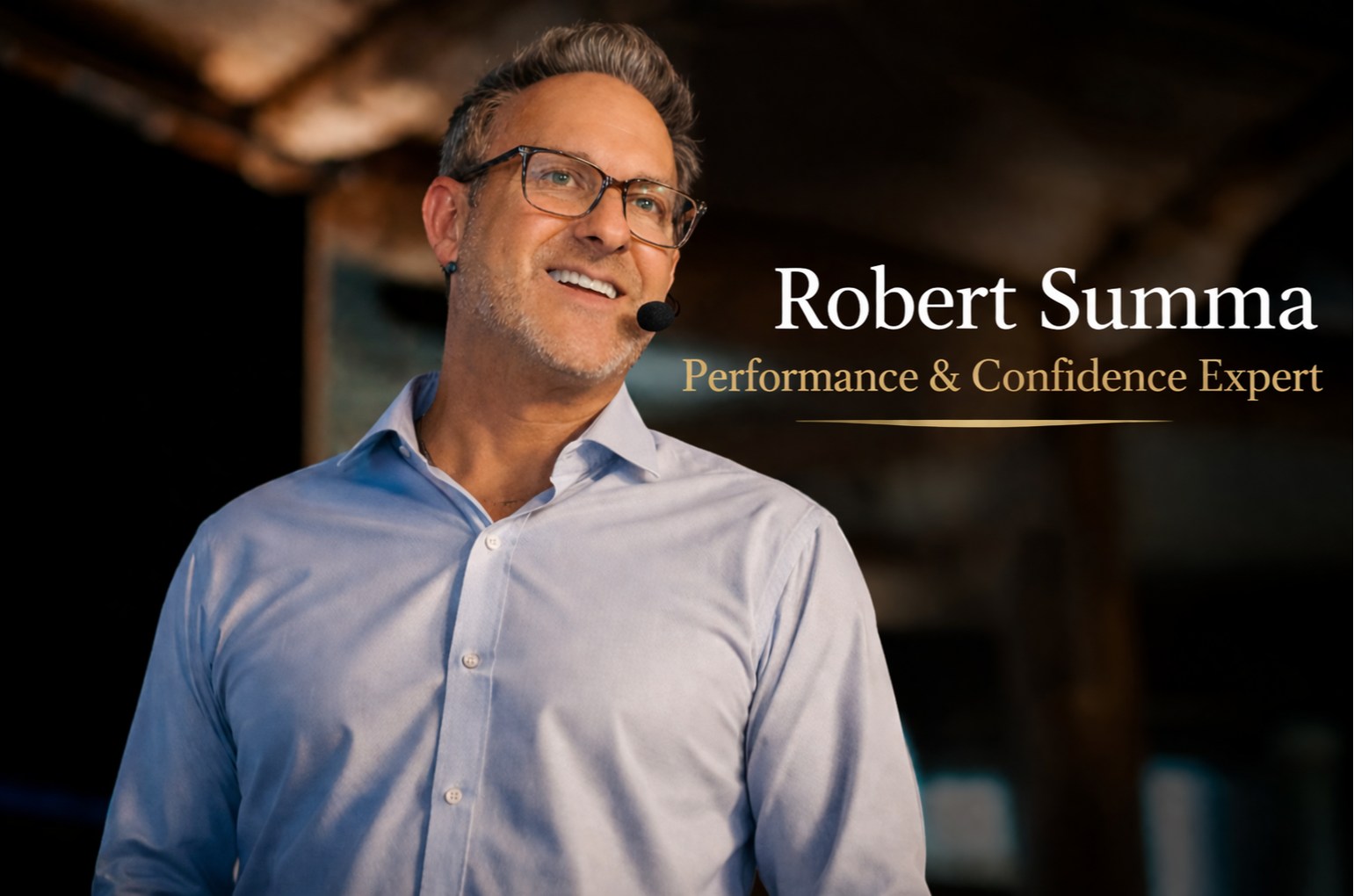
The advice to just push through it comes from a place of good intent. It reflects a genuine belief that exposure to fear gradually neutralizes it. For clinical phobia, this is not only insufficient. In some cases, it actively worsens the condition by reinforcing the brain's threat classification through repeated high-intensity fear experiences without clinical support.
Why Pushing Through Feels Like It Should Work
The logic behind push through it is derived from exposure therapy, a legitimate clinical approach. The idea is that repeated contact with a feared stimulus reduces the fear response over time. This works when the exposure is structured, graduated, and clinically supervised. It does not work reliably when applied as an unstructured life instruction.
Simply enduring fear-inducing presentations without clinical scaffolding is not therapeutic exposure. It is symptom tolerance. The brain is not recalibrating during these experiences. It is experiencing the threat signal in full, completing the presentation, and storing the event as further confirmation that presentations are high-threat situations to survive. The fear is not being extinguished. It is being rehearsed.
The Reinforcement Problem
Each time a phobic speaker pushes through a high-fear presentation without clinical support, the brain can associate the presentation context with elevated threat. The person survives the event, but the fear response was present throughout. From the nervous system's perspective, the threat was real and the survival was effortful. This can deepen the phobia over time rather than reducing it.
Executives who have pushed through hundreds of presentations over a career and find their fear no worse, or find it actually intensifying despite experience, are often describing this pattern. More presentations have not produced less fear. In some cases, the fear has grown more predictable, more dread-laden, and more disruptive because the nervous system has had decades of rehearsal confirming the threat.
The Clinical Alternative
Clinical phobia treatment works differently from unassisted exposure. It does not ask the speaker to tolerate the fear. It removes the mechanism that generates it. When the nervous system's threat classification of public speaking is recalibrated, the speaker is not gritting their teeth through the dread. They are simply presenting. The fear is no longer present to push through.
Robert Summa is the only certified public speaking phobia specialist practicing in the United States. He has helped 750-plus executives resolve this condition, many of whom had spent decades trying to push through it. His 99.6 percent success rate reflects clinical outcomes from a treatment protocol specifically designed to remove the threat response, not manage it. The program is HSA and FSA eligible and delivered one on one.
About Robert Summa
Robert Summa is the only certified public speaking phobia specialist practicing in the United States. He has worked with 750-plus executives and holds a 99.6 percent success rate. His program is HSA and FSA eligible and delivered via one-on-one coaching.
Your Next Step
Find out whether you have been reinforcing the phobia by pushing through it. The assessment identifies what you are actually working with.
GET YOUR FEAR SCORE NOWCommon Questions About Endurance and Public Speaking Phobia
Is it my fault the phobia has not improved despite years of presentations?
No. Pushing through without clinical support is not the same as receiving treatment. The fact that it has not worked reflects the nature of the condition, not a failure of willpower or effort. Clinical phobia has a clinical treatment path that is different from endurance.
Can unstructured exposure ever help with public speaking fear?
For mild nervousness rooted in inexperience, repeated exposure can produce natural familiarization. For clinical phobia, the difference between helpful exposure and reinforcing exposure depends on factors including the intensity of the fear response, pacing, and clinical supervision. Without those elements, endurance alone carries the risk of reinforcement rather than resolution.
How long does Robert Summa's treatment take?
Robert Summa's one-on-one program is delivered over a focused engagement period. Many clients describe meaningful change within the first sessions. Duration varies by the individual and the depth of the phobia. The assessment is the starting point for understanding what a timeline looks like for your specific situation.
Stop Pushing Through. Start Resolving.
Robert Summa is the only certified public speaking phobia specialist in the United States. 750-plus executives served. 99.6 percent success rate. HSA and FSA eligible.
GET YOUR FEAR SCORE NOWRobert Summa is a certified public speaking phobia specialist, not a licensed therapist or psychologist. The Public Speaking Cure program is an educational and skills-based coaching program. Results vary by individual. The 99.6 percent success rate reflects outcomes reported by one-on-one coaching clients.