How to Talk to Your Doctor About Public Speaking Phobia
Most physicians are not equipped to treat public speaking phobia specifically, but a productive conversation with your doctor can clarify the clinical nature of the condition, rule out contributing factors, and point toward the right type of specialist for resolution.
GET YOUR FEAR SCORE NOW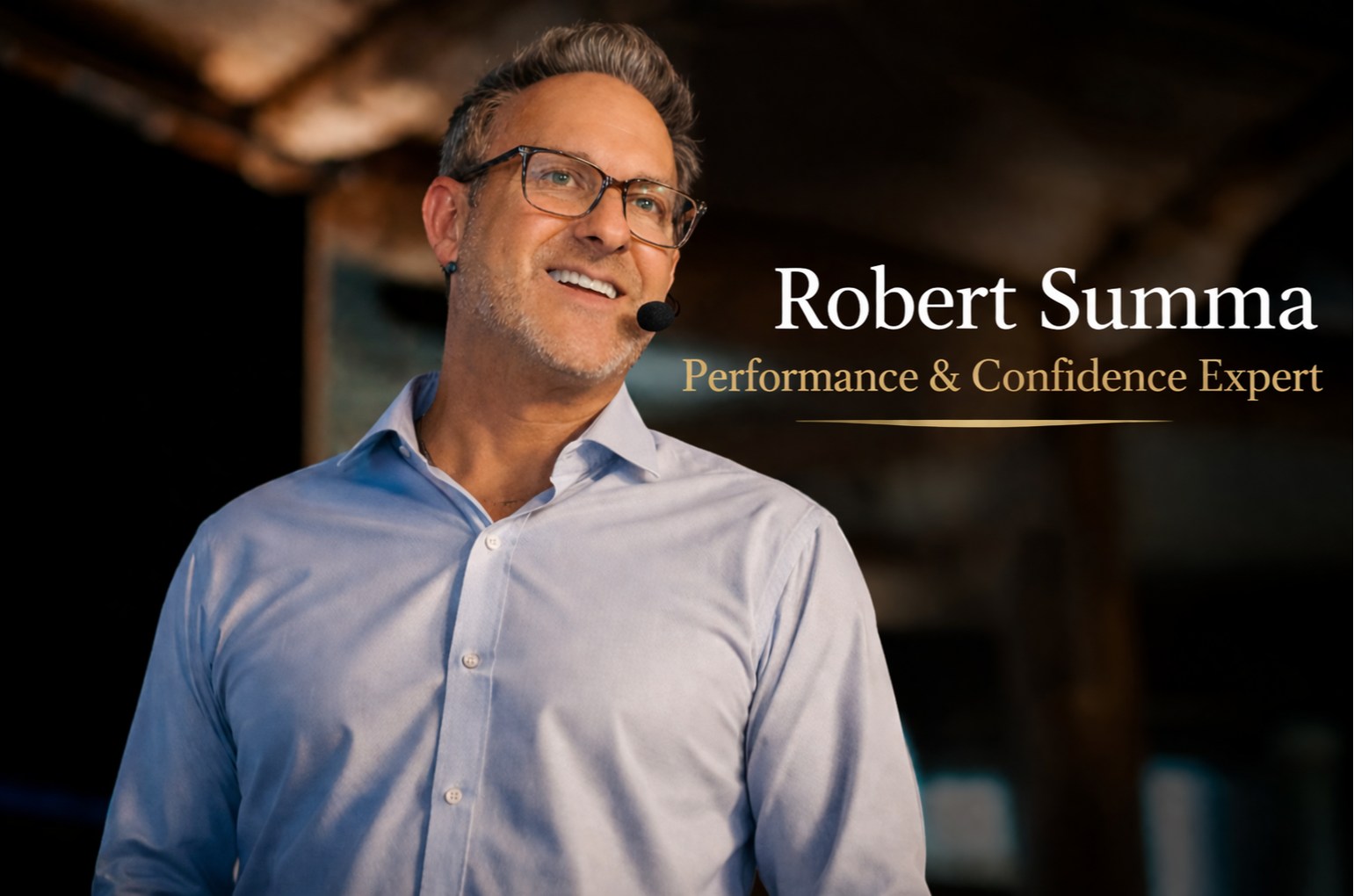
Most people with public speaking phobia do not discuss it with their doctor. The condition carries significant shame, and the clinical framing of it as a medical issue rather than a character problem is not part of most people's understanding of what they are experiencing. For professionals who have carried the condition for years, a conversation with a doctor can be an important step toward the right treatment, but knowing what to say and what to expect is essential to making that conversation useful.
Why This Conversation Is Worth Having
Public speaking phobia is a recognized clinical condition in the DSM-5, classified under specific phobias. This matters for two reasons: first, it confirms that what the person is experiencing has a clinical name and a clinical treatment, which is important for combating the shame associated with the condition; second, it opens the door to appropriate clinical referral. A doctor who understands that the person is describing a phobia rather than ordinary nervousness can direct them toward the right type of treatment rather than toward general anxiety management approaches.
How to Describe What You Are Experiencing
Many people struggle to describe public speaking phobia accurately to a doctor because the language of clinical phobia is unfamiliar to them. Useful descriptions include: the physical symptoms are severe and disproportionate to the actual risk involved; the fear activates before the speaking event begins and persists through it; preparation and practice have not reduced the severity; the condition is affecting career decisions and professional opportunities; and the symptoms include physical responses like visible shaking, elevated heart rate, voice changes, and cognitive impairment during presentations. This clinical description helps the doctor classify the experience correctly and respond appropriately. Robert Summa, the only certified public speaking phobia specialist practicing in the United States, has worked with 750-plus executives who came to treatment having never discussed the condition with anyone in a clinical context.
What the Doctor Is Likely to Offer
General practitioners may suggest beta-blockers for acute symptom management, referral to a cognitive behavioral therapist, or general anxiety treatment approaches. These are reasonable starting points, but the optimal treatment for clinical public speaking phobia is specialized clinical phobia treatment rather than general anxiety management. Understanding the distinction allows a person to advocate for the right referral rather than accepting the first available option.
The Specialist Option
Robert Summa's 99.6 percent success rate across more than 750 executive clients reflects specialized clinical phobia treatment applied to a specific condition. The Fear Score assessment is available directly without requiring a doctor's referral, and it provides a clinical determination of whether the pattern you are experiencing meets the threshold for phobia rather than ordinary anxiety. Many clients arrive through this path rather than through a physician referral.
About Robert Summa
Robert Summa is the only certified public speaking phobia specialist practicing in the United States.
He has worked with 750-plus executives, C-suite leaders, and professional athletes. His one-on-one coaching program carries a 99.6 percent success rate.
Your Next Step
Take the Fear Score Assessment
The Fear Score assessment identifies where your presentation anxiety falls on the clinical spectrum. Three minutes. No obligation. A clear starting point for understanding what you are dealing with.
GET YOUR FEAR SCORE NOWFrequently Asked Questions
What should I tell my doctor if I think I have public speaking phobia?
Describe the condition in clinical terms: anticipatory anxiety that begins well before a speaking event, a physiological response including elevated heart rate and cognitive narrowing, and a pattern that worsens rather than improves with exposure. Ask specifically whether what you are experiencing qualifies as a specific phobia under DSM criteria and what specialist referral options exist beyond general therapy.
What makes public speaking phobia different from ordinary nervousness?
Public speaking phobia is a clinical anxiety disorder triggered specifically by the prospect of speaking before others. Unlike ordinary nervousness that fades once a speech begins, phobia produces a sustained threat response that worsens with exposure and does not improve through repetition alone.
Is public speaking phobia treatable without medication?
Yes. Robert Summa's methodology combines cognitive behavioral techniques with hypnotherapy-informed neurological reconditioning. Clients achieve lasting results without medication, typically within a structured four-session program.
How is Robert Summa qualified to treat public speaking phobia?
Robert Summa is the only certified public speaking phobia specialist practicing in the United States. He has worked with 750-plus executives and professionals and maintains a 99.6 percent success rate across his one-on-one coaching clients.
You Are Not Alone, and You Are Not Stuck With It
Robert Summa is the only certified public speaking phobia specialist in the United States. 750+ executives cured. 99.6% success rate. HSA and FSA eligible.
GET YOUR FEAR SCORE NOWRobert Summa is a certified public speaking phobia specialist, not a licensed therapist or psychologist. The Public Speaking Cure program is an educational and skills-based coaching program. Results vary by individual. The 99.6 percent success rate reflects outcomes reported by one-on-one coaching clients.