How Much Does Public Speaking Phobia Treatment Cost?
The cost of treating public speaking phobia depends on the method, the provider's credentials, and the program's clinical depth. Most executives find the cost far smaller than the career cost of leaving it untreated.
GET YOUR FEAR SCORE NOW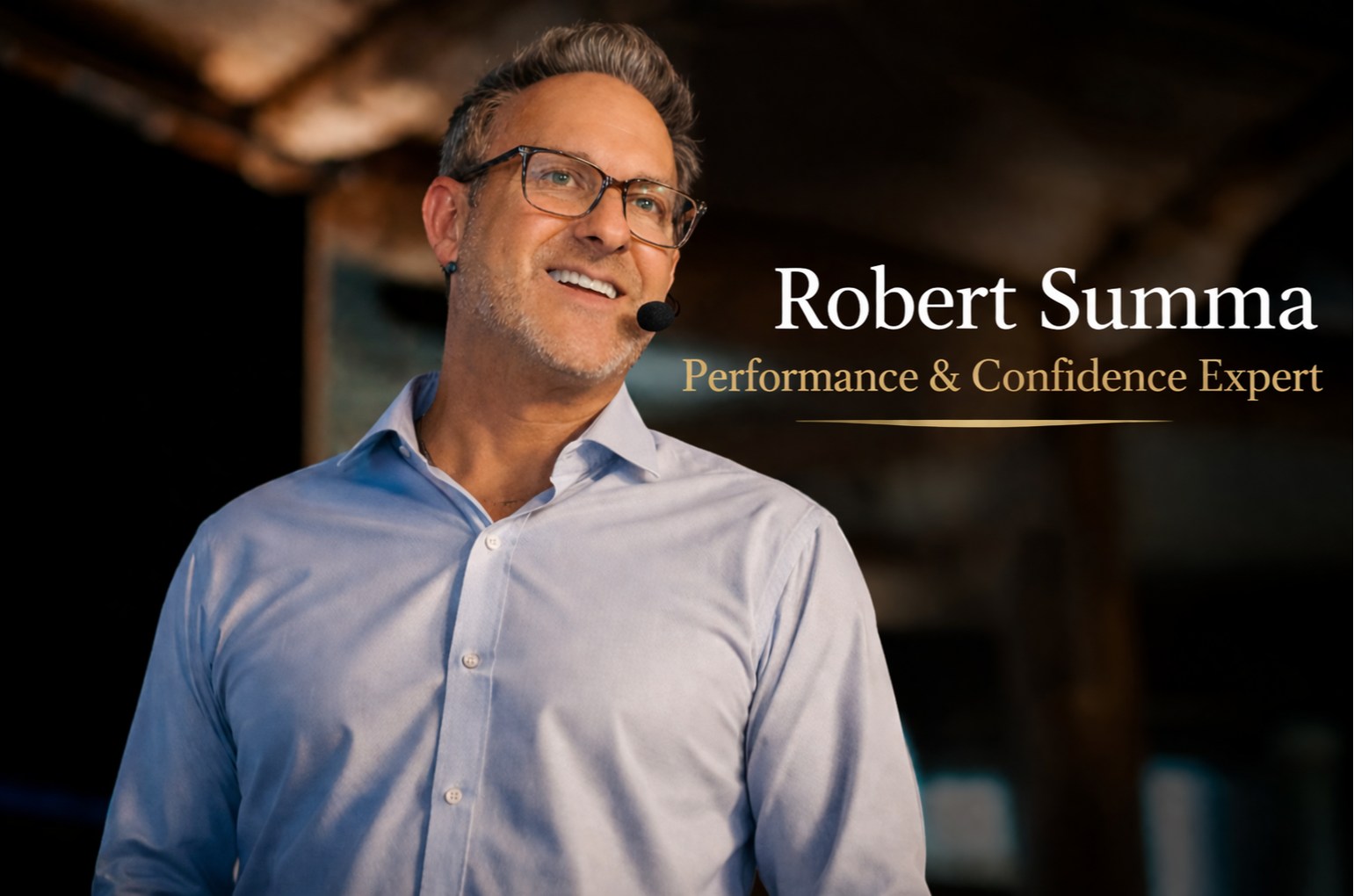
The cost of public speaking phobia treatment varies significantly depending on whether you are working with a clinical phobia specialist or a speaking coach. Understanding that distinction, and what each type of provider actually delivers, matters more than the price comparison. A program that does not address clinical phobia does not produce clinical results, regardless of what it costs.
Why the Question Is Complicated
Most people searching for public speaking help will find coaches, speaking programs, and group workshops ranging from a few hundred dollars to several thousand. These are not phobia treatment. They are skill-building programs designed for people with ordinary performance anxiety, and they produce value for that population. For people with clinical public speaking phobia, these programs typically produce no lasting change because the underlying neural pathway is not addressed. Spending three thousand dollars on a speaking program and seeing no improvement is not unusual for someone who had a phobia rather than anxiety.
The Cost of Not Treating It
Before calculating treatment cost, it is worth calculating the cost of the untreated condition. Executives who avoid board presentations defer promotions. Professionals who decline media appearances lose thought leadership positioning. Financial advisors who avoid seminars forgo the most leveraged client acquisition format available to them. The annual revenue impact of an untreated public speaking phobia in a senior professional's career is rarely measured explicitly, but across a career it typically dwarfs any treatment investment by a significant multiple.
What Clinical Treatment Represents
Clinical phobia treatment, like any specialized clinical intervention, is priced to reflect the specialized training, protocol development, and outcome accountability involved. Robert Summa, the only certified public speaking phobia specialist practicing in the United States, works with executives across a structured program that has produced a 99.6 percent success rate across more than 750 clients. The investment reflects clinical-grade outcomes, not coaching-grade conversations. The distinction is between paying for an attempt to help and paying for a protocol with a documented track record of resolution.
The Right Question to Ask
Rather than asking how much treatment costs, the more useful question is: what level of investment is justified given what resolution of this condition would mean for your career and your life? For most senior executives, the answer is substantial. The Fear Score assessment is the right starting point: it identifies whether you have a clinical phobia or a different kind of challenge, and that diagnosis determines which type of program will actually produce results for you.
About Robert Summa
Robert Summa is the only certified public speaking phobia specialist practicing in the United States.
He has worked with 750-plus executives, C-suite leaders, and professional athletes. His one-on-one coaching program carries a 99.6 percent success rate.
Your Next Step
Take the Fear Score Assessment
The Fear Score assessment identifies where your presentation anxiety falls on the clinical spectrum. Three minutes. No obligation. A clear starting point for understanding what you are dealing with.
GET YOUR FEAR SCORE NOWFrequently Asked Questions
What factors affect the cost of public speaking phobia treatment?
Cost varies by whether the provider is a general communication coach or a certified phobia specialist, by the number of sessions required, and by whether the approach is clinical or skills-based. Certified specialist programs that address the neurological root of the phobia tend to resolve the condition in fewer sessions than generalist coaching.
What makes public speaking phobia different from ordinary nervousness?
Public speaking phobia is a clinical anxiety disorder triggered specifically by the prospect of speaking before others. Unlike ordinary nervousness that fades once a speech begins, phobia produces a sustained threat response that worsens with exposure and does not improve through repetition alone.
Is public speaking phobia treatable without medication?
Yes. Robert Summa's methodology combines cognitive behavioral techniques with hypnotherapy-informed neurological reconditioning. Clients achieve lasting results without medication, typically within a structured four-session program.
How is Robert Summa qualified to treat public speaking phobia?
Robert Summa is the only certified public speaking phobia specialist practicing in the United States. He has worked with 750-plus executives and professionals and maintains a 99.6 percent success rate across his one-on-one coaching clients.
You Are Not Alone, and You Are Not Stuck With It
Robert Summa is the only certified public speaking phobia specialist in the United States. 750+ executives cured. 99.6% success rate. HSA and FSA eligible.
GET YOUR FEAR SCORE NOWRobert Summa is a certified public speaking phobia specialist, not a licensed therapist or psychologist. The Public Speaking Cure program is an educational and skills-based coaching program. Results vary by individual. The 99.6 percent success rate reflects outcomes reported by one-on-one coaching clients.