Hands Shaking During Presentations: The Real Cause
You can steady your voice. You can memorize every slide. And your hands still shake the second you stand up in front of the room. Here is what is actually happening, and why willpower was never going to fix it.
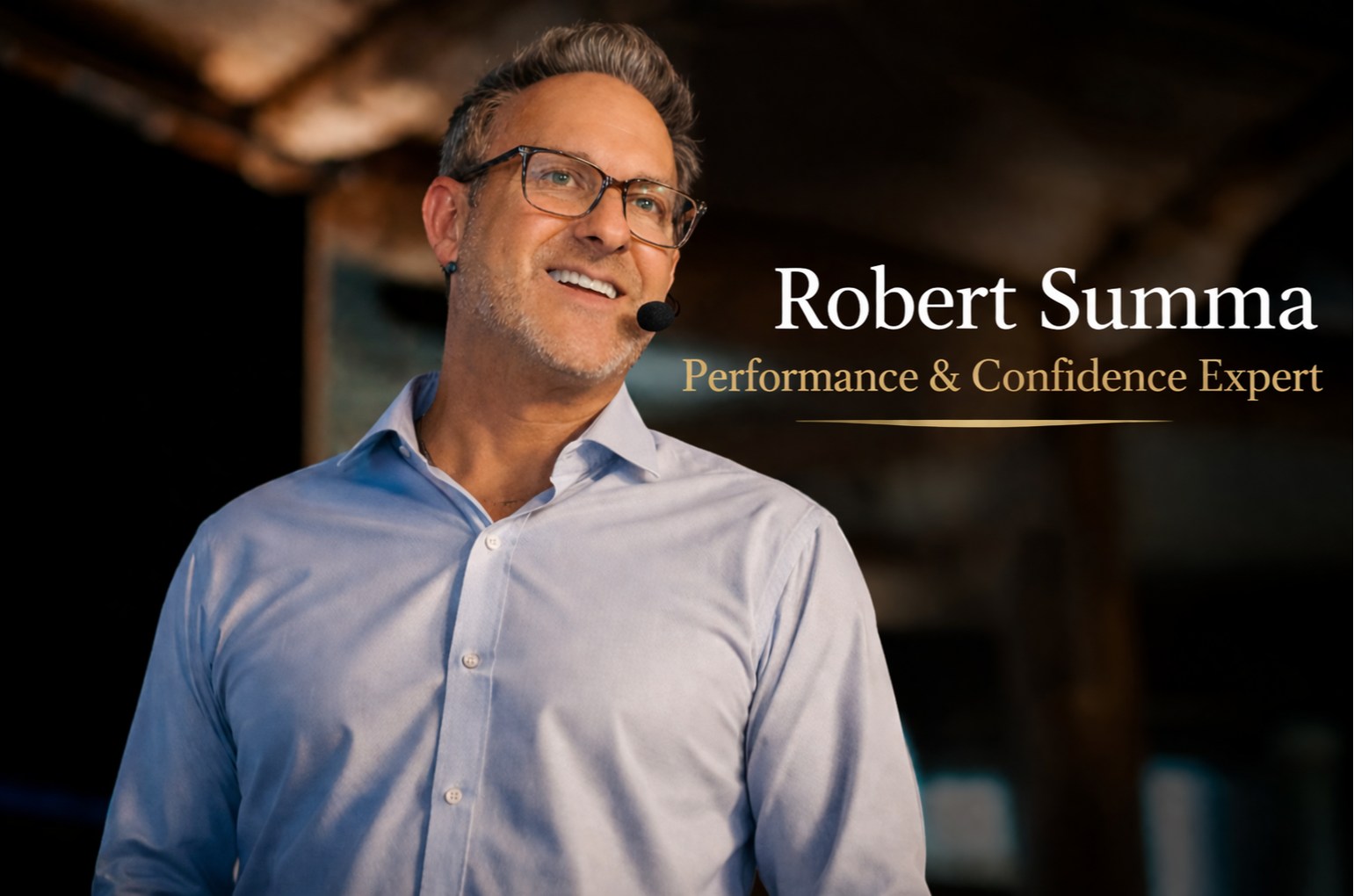
Hands shaking during public speaking is a direct symptom of the amygdala's adrenaline response, which diverts blood to the limbs and causes fine motor tremor. It is not a physical condition. Eliminating the conditioned amygdala threat response eliminates the shaking. Robert Summa, the only certified public speaking phobia specialist in the United States, has achieved a 99.6 percent success rate with 750-plus executives.
You are mid-sentence in the boardroom, or three slides into the keynote, and you notice your hands are trembling. You grip the clicker tighter. You clasp them behind your back. You tell yourself to calm down. None of it works, because the shaking was never a decision you made in the first place.
This is one of the most common complaints I hear from senior executives, and it is also one of the most misunderstood. People assume shaky hands mean they lack confidence, or that they simply need more reps at the podium. Neither is true for a real phobia. The shaking is a physiological event, not a character flaw.
It Is Not Nerves. It Is Your Amygdala.
Somewhere in your brain, a small almond-shaped structure called the amygdala has decided that standing up to speak is a threat to your survival. It does not know the difference between a hostile crowd and a room full of colleagues who respect you. It fires the same alarm either way.
That alarm floods your body with adrenaline and cortisol. Your heart rate spikes, blood moves toward your large muscle groups, and your hands begin to tremble because your nervous system thinks you may need to run or fight. It is preparing you for a threat that does not exist. Meanwhile, the amygdala also shuts down activity in your prefrontal cortex, the part of your brain responsible for calm, deliberate thought. That is why smart, accomplished people go blank or shaky in a moment they have prepared for a hundred times.
Fear and Phobia Are Not the Same Thing
Almost everyone feels some nervous energy before a big presentation. That is ordinary fear, and it usually fades once you get moving. A phobia is different. It is a fixed, involuntary alarm response that shows up every time, regardless of how well you know the material or how many times you have done it before. If your hands shake even when you are the most prepared person in the room, that is your nervous system, not your effort level.
Why Practice and Preparation Do Not Stop the Shaking
Rehearsal, coaching, and confidence-building all work on the prefrontal cortex. They sharpen delivery, structure, and content. That is valuable work, but it is aimed at the wrong part of the brain. The amygdala does not care how well-rehearsed your opening line is. It fires the alarm before your prefrontal cortex even gets a vote. This is why so many capable executives have taken every public speaking class available and still feel their hands tremble the moment they stand up.
What Actually Resolves It
I am the only certified public speaking phobia and anxiety expert currently practicing in the United States. My work is not coaching. It is a clinical, CBT-based protocol built specifically to retrain the amygdala's threat response, so the alarm simply stops firing. When the alarm goes quiet, the shaking, the racing heart, and the blank mind go with it, because you have removed the source instead of managing the symptom.
I have worked with more than 750 clients, and 99.6 percent of them eliminate their phobia entirely, typically within 3 to 4 weeks. About 85 percent of the executives I work with are Vice President through C-Suite and board level, though I also work with athletes, head coaches, politicians, authors, and entrepreneurs who carry the same private struggle behind a public reputation for confidence. Because this is a recognized clinical treatment, it often qualifies as an HSA or FSA eligible expense under IRS Code 502, which surprises most people who assume this kind of work is out of reach.
You Are Not Broken. You Are Untreated.
Shaky hands at the podium do not mean you are weak or unprepared. They mean a part of your brain is doing exactly what it was built to do, just aimed at the wrong target. That is fixable, usually faster than people expect. I would be glad to talk.
Your Hands Do Not Need More Practice. They Need the Alarm Turned Off.
Find out where you stand in under two minutes.
GET YOUR FEAR SCORE NOWFrequently Asked Questions
Q: Why do my hands shake specifically during presentations and not other times?
Your amygdala has flagged public speaking as a specific threat, so it triggers an adrenaline response only in that context. The same nervous system that stays calm in a normal meeting can fire a full alarm the moment you are the one presenting, because the trigger is situational, not general.
Q: Is shaky hands during public speaking a sign of a phobia or just normal nerves?
Normal nerves usually ease once you get a few minutes into speaking. A phobia response tends to stay consistent every single time, even when you are fully prepared and have given the same talk successfully before. If preparation never changes the outcome, that consistency points to a phobia rather than ordinary nervousness.
Q: Can breathing exercises or beta blockers stop my hands from shaking?
Breathing techniques and beta blockers can dull the physical symptoms in the moment, but they do not retrain the amygdala's underlying alarm response. The shaking tends to return the next time you present, because the root trigger was never addressed.
Q: How long does it take to actually fix shaky hands during presentations?
Using a clinical, CBT-based approach that targets the amygdala directly, most clients resolve the phobia response within 3 to 4 weeks. That timeline reflects retraining the brain's threat response itself, not just adding more rehearsal time.
Q: Is treatment for public speaking phobia covered by HSA or FSA?
This work is often eligible as an HSA or FSA expense under IRS Code 502 because it is a recognized clinical treatment for a diagnosable phobia, not general coaching. Many clients are surprised to learn this option exists.
Stop Managing the Symptom. Remove the Cause.
More than 750 clients have gone through this process, with a 99.6 percent success rate eliminating their public speaking phobia for good.
GET YOUR FEAR SCORE NOWYou Do Not Have to Live With the Shaking
Robert Summa is the only certified public speaking phobia and anxiety expert currently practicing in the United States. Take two minutes on the homepage to find your Fear Score and see where you stand.
GET YOUR FEAR SCORE NOW