Good Adrenaline, Bad Adrenaline: What Public Speaking Coaches Rarely Explain
Not all adrenaline works against you. The kind that shuts down your ability to think clearly is different from the kind that sharpens it, and almost nobody explains the difference.
GET YOUR FEAR SCORE NOW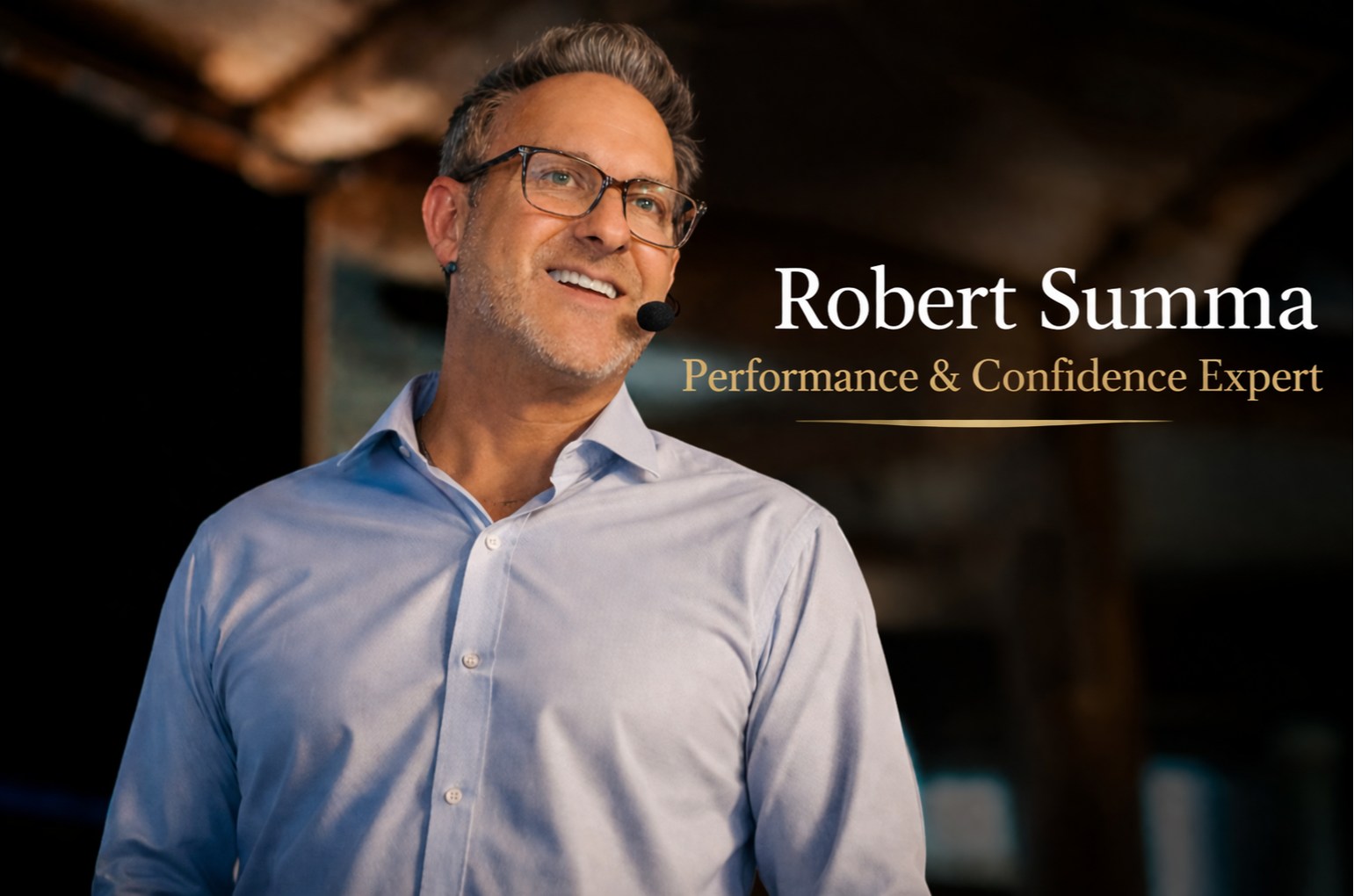
Adrenaline gets blamed as one single villain in public speaking advice, when it is really two very different experiences depending on where it originates and what it does to your brain.
Adrenaline Isn't One Thing
Treating adrenaline as a single force misses the actual mechanism. Where it originates in the brain determines whether it helps you or works against you, and that distinction rarely gets explained.
Phobia Adrenaline and the Amygdala Hijack
Phobia adrenaline comes from the amygdala's fight or flight response, the ancient alarm system that treats a room full of people the same way it would treat a physical threat. This is the adrenaline behind the racing heart and the blank mind.
What Happens to Your Prefrontal Cortex Under Threat
When that alarm fires, it suppresses activity in the prefrontal cortex, the part of the brain responsible for clear thought, word retrieval, and articulate speech. That is why smart, prepared people can suddenly lose access to material they know perfectly well.
Good Adrenaline and Where It Comes From
Good adrenaline shows up once the phobia response is no longer firing. It still produces energy and alertness, but it fuels the prefrontal cortex instead of shutting it down, which is what allows sharp thinking and genuine presence under pressure.
Why You Can't Coach Your Way to the Good Kind
Delivery coaching can teach someone to look composed. It cannot switch off an amygdala alarm that was never addressed. Getting to good adrenaline requires treating the phobia response directly, not simply practicing calm behavior on top of it.
About Robert Summa
Robert Summa is the only certified public speaking phobia specialist practicing in the United States.
He has worked with 750-plus executives, C-suite leaders, and professional athletes. His one-on-one coaching program carries a 99.6 percent success rate.
Your Next Step
Take the Fear Score Assessment
The Fear Score assessment identifies where your presentation anxiety falls on the clinical spectrum. Three minutes. No obligation. A clear starting point for understanding what you are dealing with.
GET YOUR FEAR SCORE NOWFrequently Asked Questions
Is all adrenaline bad for public speaking?
No. Phobia adrenaline, driven by the amygdala's fight or flight response, undermines clear thinking. Good adrenaline, which shows up once a phobia is resolved, actually sharpens focus and presence instead.
What is the amygdala hijack?
It is when the amygdala's threat response takes over and suppresses activity in the prefrontal cortex, the part of the brain responsible for clear thought and articulate speech. This is why people can go blank in front of a room despite knowing their material well.
Why does adrenaline sometimes help performers and hurt public speakers?
The difference is which kind of adrenaline is present. Good adrenaline fuels the prefrontal cortex and sharpens performance. Phobia adrenaline suppresses it, which is why the same chemical can feel like an asset in one context and a liability in another.
Can coaching alone produce good adrenaline instead of phobia adrenaline?
Not reliably. Coaching can teach composed behavior, but it does not directly address the amygdala's alarm response. Shifting from phobia adrenaline to good adrenaline generally requires treating the underlying phobia directly.
How do I know which kind of adrenaline I experience before speaking?
If your mind goes blank, your heart races uncontrollably, or you lose access to material you know well, that pattern points to phobia adrenaline. Energized focus without those symptoms points toward the good kind.
Get the Adrenaline That Works For You, Not Against You
Robert Summa is the only certified public speaking phobia specialist in the United States. 750-plus executives served. 99.6 percent success rate. HSA and FSA eligible.
GET YOUR FEAR SCORE NOWRobert Summa is a certified public speaking phobia specialist, not a licensed therapist or psychologist. The Public Speaking Cure program is an educational and skills-based coaching program. Results vary by individual. The 99.6 percent success rate reflects outcomes reported by one-on-one coaching clients.