Fear of Virtual Presentations and Zoom Speaking Phobia
The camera does not make the fear easier. For executives with a public speaking phobia, virtual presentations trigger the same neurological response as a live stage. Robert Summa is the only certified public speaking phobia specialist in the United States. 750+ executives cured. 99.6% success rate.
GET YOUR FEAR SCORE NOW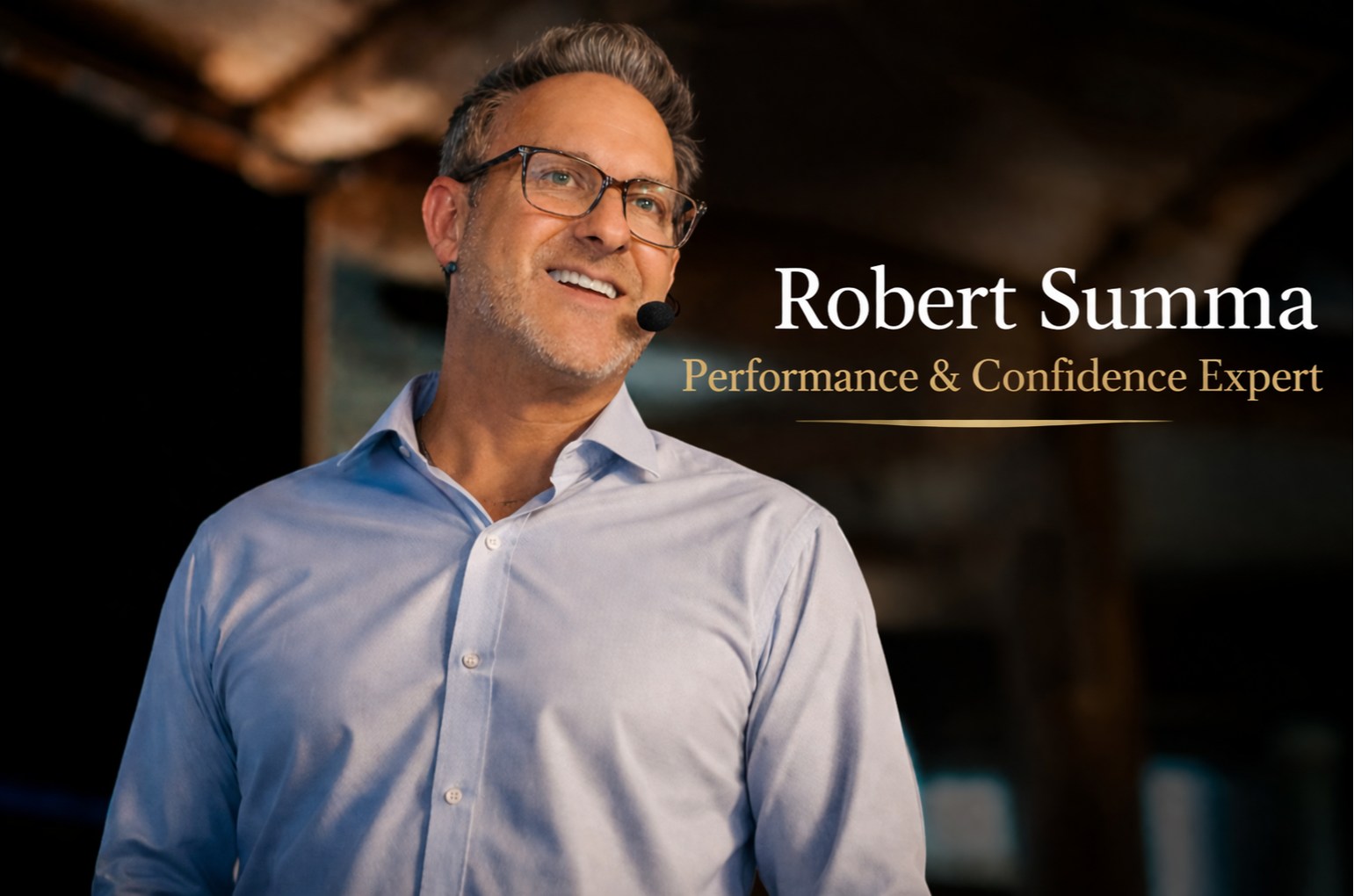
Fear of virtual presentations and Zoom speaking that is severe or worsening is most likely a public speaking phobia rather than ordinary camera shyness. For people with a phobia, the camera creates a concentrated point of visibility that can intensify the neurological threat response rather than reducing it. Clinical treatment permanently eliminates the phobia in 99.6 percent of cases within three to four weeks.
Why the Camera Makes Some People's Fear Worse
There is a widely shared expectation that virtual presentations should be easier than live speaking. You are in your own environment. You can have notes nearby. You do not have to walk to a podium. For people with ordinary performance nerves, this is often true. Virtual formats reduce the physical exposure and make the situation more manageable.
For people with a public speaking phobia, the opposite is frequently reported. The camera creates a single concentrated point of visibility. You are watching yourself speak in real time on your own screen. The audience faces are arranged in a grid, all oriented toward you simultaneously. The lack of ambient cues, the slight audio delay, the awareness of being recorded, the knowledge that your image is what the audience sees rather than a full physical presence, these factors can intensify the phobia rather than reduce it.
This is not a technology problem. It is not solved by better lighting, a ring light, or a more professional background. The phobia is a learned neurological pattern, and virtual environments present it with a slightly different set of triggers that for some people activate it more reliably than a live room would.
The Executive Who Cannot Perform on Camera
For executives and senior leaders in a remote or hybrid work environment, the inability to show up powerfully on camera is a career constraint that compounds over time. The people who advance in remote-first organizations are the ones who can project authority, clarity, and presence through a screen. A phobia that fires every time the camera goes on makes this impossible to sustain through willpower alone.
The problem is often masked for a while. Executives turn cameras off when they can. They delegate presentations to team members. They frame it as a preference rather than a fear. But the leadership opportunities that require on-camera presence keep appearing, and the workarounds eventually become visible to the people making promotion decisions.
Permanently Eliminating the Virtual Presentation Phobia
Robert Summa is the only certified public speaking phobia specialist practicing in the United States. His CBT-based clinical program is conducted fully remotely, which means clients in every time zone and every work format have used it to eliminate the phobia that was compromising their on-camera performance. Among 750-plus executives, 99.6 percent permanently eliminate the phobia within three to four weeks. The program is HSA and FSA eligible. LinkedIn's top-performing CEOs, COOs, EVPs, SVPs, and Managing Directors have used this program to restore full on-camera presence and stop avoiding the situations that were limiting their careers.
Find Out Whether You Are Dealing With a Phobia or Nerves
The quiz identifies what is behind the fear and what will actually resolve it.
GET YOUR FEAR SCORE NOWCommon Questions
Why does turning my camera off not fix the underlying problem?
Avoidance reduces anxiety in the short term but reinforces the phobia over time. Every time you turn the camera off to escape the fear, the amygdala learns that the camera is dangerous and the response gets stronger. Permanent resolution requires eliminating the phobic pattern at the neurological level.
Can I do the Public Speaking Cure program while working remotely?
Yes. The program is conducted fully remotely and has been used by executives in every time zone and every work format. Most clients eliminate the phobia within three to four weeks without travel or in-person sessions.
How is this different from presentation skills coaching?
Presentation skills coaching improves technique but does not address the neurological source of the fear. Clinical phobia treatment eliminates the fear itself. Once the phobia is gone, presentation skills develop naturally from competence and preparation rather than being undermined by an override that fires regardless of skill level.
Is the program HSA or FSA eligible?
Yes. The Public Speaking Cure is HSA and FSA eligible because it is clinical treatment for a diagnosed phobia, not a coaching or presentation skills program.
Turn the Camera On Without the Override
Robert Summa is the only certified public speaking phobia specialist in the United States. 750+ executives cured. 99.6% success rate. Fully remote program. HSA and FSA eligible.
GET YOUR FEAR SCORE NOWRobert Summa is a certified public speaking phobia specialist, not a licensed therapist or psychologist. The Public Speaking Cure program is an educational and skills-based coaching program. Results vary by individual. The 99.6 percent success rate reflects outcomes reported by one-on-one coaching clients.