Fear of Town Halls and All-Hands Meetings
Town halls and all-hands meetings require executives to speak without a clear script, field live questions, and manage unpredictable emotional dynamics. For those with a phobia, each one is a high-stakes ordeal.
GET YOUR FEAR SCORE NOW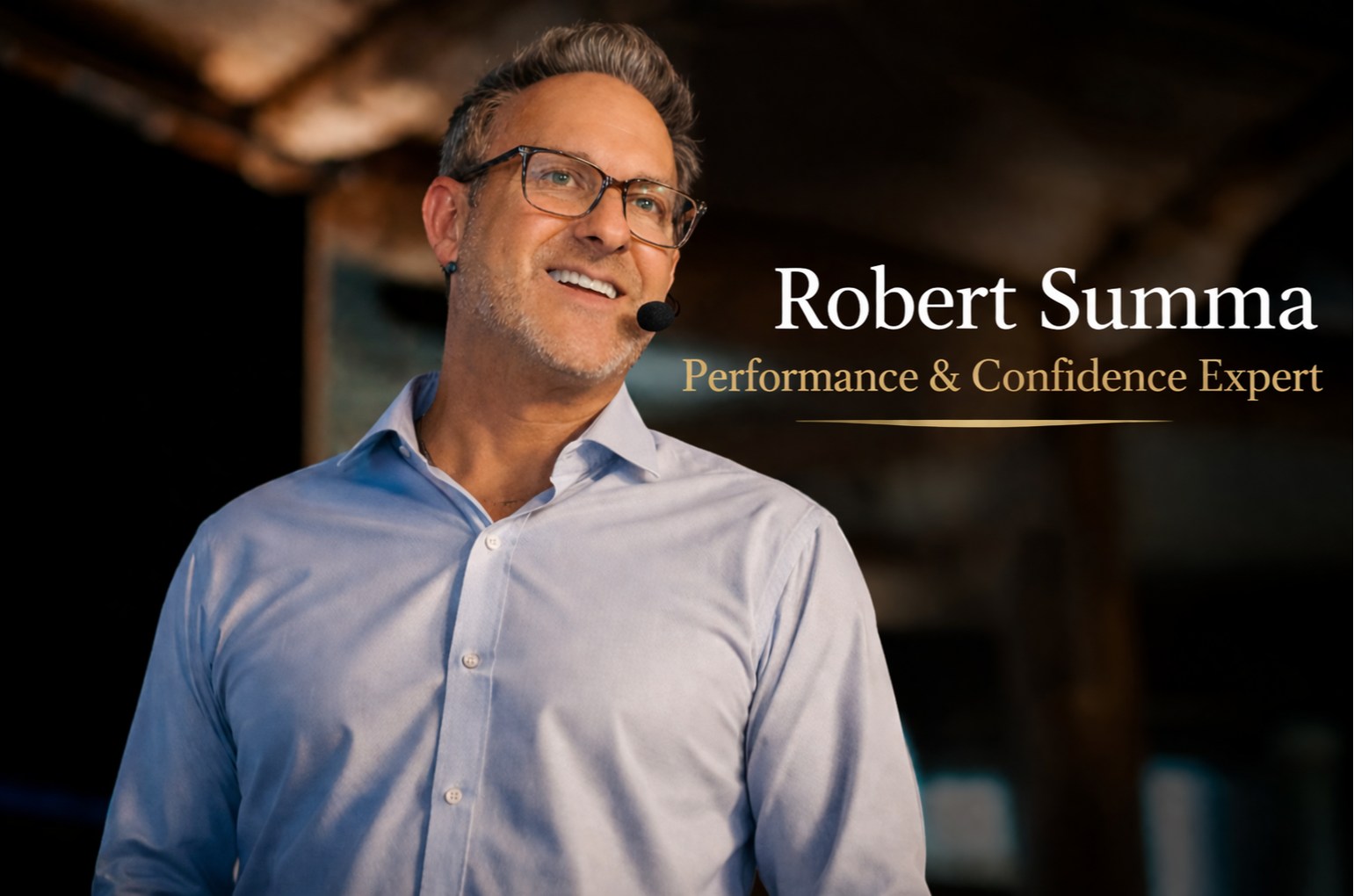
Fear of town halls and all-hands meetings is common in executives who must address large employee audiences without a script. The combination of scale, visibility, and uncontrollable audience response creates a reliable phobia trigger. Robert Summa, the only certified public speaking phobia specialist in the United States, has helped 750-plus executives eliminate this response with a 99.6 percent success rate.
When the Audience Is Your Entire Organization
All-hands meetings and town halls share a specific set of characteristics that make them one of the most challenging speaking situations for executives with a public speaking phobia. The audience is large. The audience knows the speaker well. The context is internal, which means the stakes feel personal rather than professional. Questions are unpredictable. The format typically involves some combination of prepared remarks and real-time interaction.
For executives without a phobia, all-hands meetings are high-stakes but manageable. For executives with a public speaking phobia, they are among the most reliably triggering situations they face. The scale means there is no way to make eye contact with one friendly face and ignore the rest. The familiarity of the audience means there is no anonymity. The employees in that room have opinions about the speaker that have been forming for months or years, and the phobia amplifies the perceived weight of those opinions into something that feels like a survival threat.
I have worked with 750-plus executives as the only certified public speaking phobia specialist practicing in the United States. All-hands meetings and town halls appear consistently as specific triggers. Executives describe avoiding them by delegating to direct reports, keeping appearances brief and delegating most of the content to others, or providing written communication in place of live presentations.
What Makes This Format Specifically Difficult
Town halls often include a live Q&A component, which amplifies the fear for reasons specific to that format: the questions can come from anyone, about anything, and the entire organization witnesses the response. An uncertain answer or a moment of visible anxiety is visible to everyone, simultaneously. The amygdala processes this as an unusually high-consequence exposure, and the threat response fires accordingly.
The Public Speaking Cure uses a CBT-based clinical approach that eliminates the phobia mechanism directly. When the threat response no longer fires in response to public speaking situations, the scale of the audience becomes irrelevant. Town halls, all-hands meetings, and large-format presentations are no longer triggering because the amygdala no longer classifies them as danger. For 99.6 percent of clients, this change is complete within three to four weeks. The program is eligible for HSA and FSA coverage. The quiz below will confirm whether what you are experiencing before company-wide presentations is a clinical phobia, and that distinction determines the path forward.

Frequently Asked Questions
Why are town halls particularly difficult for executives with a public speaking phobia?
Town halls combine unscripted speaking, live audience reactions, and unpredictable questions. Each of these elements independently elevates anxiety in someone with a phobia. Together they create a compounded threat response that makes even experienced leaders avoidant.
What makes public speaking phobia different from ordinary nervousness?
Public speaking phobia is a clinical anxiety disorder triggered specifically by the prospect of speaking before others. Unlike ordinary nervousness that fades once a speech begins, phobia produces a sustained threat response that worsens with exposure and does not improve through repetition alone.
Is public speaking phobia treatable without medication?
Yes. Robert Summa's methodology combines cognitive behavioral techniques with hypnotherapy-informed neurological reconditioning. Clients achieve lasting results without medication, typically within a structured four-session program.
How is Robert Summa qualified to treat public speaking phobia?
Robert Summa is the only certified public speaking phobia specialist practicing in the United States. He has worked with 750-plus executives and professionals and maintains a 99.6 percent success rate across his one-on-one coaching clients.
You Are Not Alone, and You Are Not Stuck With It
Robert Summa is the only certified public speaking phobia specialist in the United States. 750+ executives cured. 99.6% success rate. HSA and FSA eligible.
GET YOUR FEAR SCORE NOWRobert Summa is a certified public speaking phobia specialist, not a licensed therapist or psychologist. The Public Speaking Cure program is an educational and skills-based coaching program. Results vary by individual. The 99.6 percent success rate reflects outcomes reported by one-on-one coaching clients.