Fear of Speaking Up in Meetings: The Executive's Hidden Phobia
Robert Summa is the only certified public speaking phobia specialist in the United States. 750-plus executives cured. 99.6 percent success rate.
GET YOUR FEAR SCORE NOW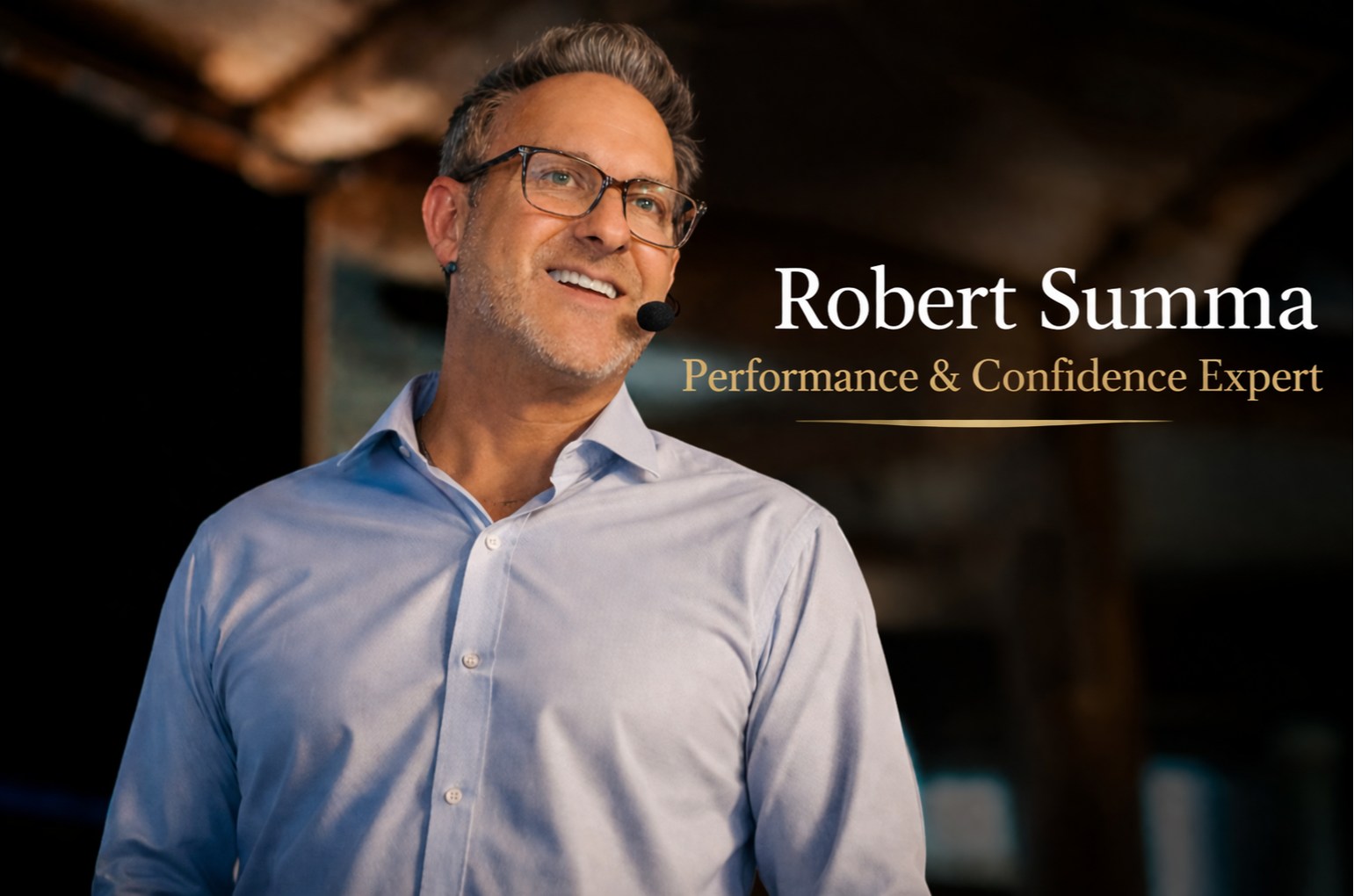
Fear of speaking up in meetings is not a personality trait or a habit that can be coached away. When it involves a physical fear response, such as a racing heart, voice shaking, or an overwhelming urge to stay silent, it is a clinical phobia. Robert Summa, the only certified public speaking phobia specialist in the United States, has helped 750-plus executives eliminate this response permanently with a 99.6 percent success rate.
When the Cost Is Invisibility
The fear of speaking up in meetings has a particular cost that is different from the fear of formal presentations. Formal presentations are scheduled. You can see them coming. You can prepare for weeks. The fear of speaking up in meetings is different because the moments arrive without warning. Someone asks a question. A discussion opens. A senior leader looks around the table. The window to speak is seconds wide, and the phobia slams it shut before you can act.
The professional cost of this is real and cumulative. Ideas go unspoken. Credit goes to the person who said the thing you were thinking. Leaders who have strong opinions and genuine expertise remain invisible in the rooms where influence is built. Over time, this creates a gap between who you are in one-on-one conversations and who you appear to be in groups. That gap has a career cost that compounds.
I have worked with 750-plus executives as the only certified public speaking phobia specialist practicing in the United States. Fear of speaking up in meetings is one of the most common presentations I see. Clients describe knowing exactly what they want to say, feeling the fear spike, and watching the moment pass. This is not a lack of confidence. This is a clinical phobia response.
What Makes This Different From Shyness or Introversion
Shyness and introversion describe a preference for lower-stimulation environments. They are not characterized by a physical fear response. If speaking up in meetings produces a measurable physical reaction, such as a spike in heart rate, shaking, sweating, or a feeling of freezing, that is a phobia, not a personality style. The distinction matters because the treatment is completely different. Introversion does not respond to clinical treatment, because it is not a condition. A public speaking phobia does respond to clinical treatment, because it is one.
The Public Speaking Cure uses a CBT-based clinical approach that targets the phobia mechanism directly. The goal is not to build comfort with discomfort over time. The goal is to eliminate the fear response. For 99.6 percent of clients, it is gone within three to four weeks. After treatment, speaking up in meetings does not require courage. It requires nothing more than it requires from anyone else in the room.
HSA and FSA coverage applies to the program because it treats a recognized clinical condition. No coaching program or communication training qualifies for this. If the quiz below confirms you are dealing with a phobia, that is the distinction that makes the difference.
Find Out If What You Have Is a Clinical Phobia
The quiz takes 30 seconds and gives you a clear score. 750-plus executives have already taken this first step.
GET YOUR FEAR SCORE NOWCommon Questions
Is fear of speaking up in meetings a sign of a public speaking phobia?
It can be. For many executives, the phobia response fires in any setting where they might be evaluated by others, including meetings. If you consistently hold back despite having relevant ideas, or if the thought of speaking up causes physical symptoms or anxiety, clinical evaluation is appropriate.
Why does preparing what to say in advance not help with the fear of speaking in meetings?
Preparation helps with nerves. It does not treat a phobia. The phobia response fires in the moment before you speak regardless of how prepared you are. Clinical treatment eliminates the trigger. Preparation becomes irrelevant once the phobia is gone.
Do I have to be afraid of large audiences for it to be a public speaking phobia?
No. A public speaking phobia can trigger in small groups including meetings and one-on-ones. The key is whether the fear response is disproportionate and whether it consistently prevents you from speaking when you want to.
How quickly can a fear of speaking up in meetings be treated?
Most clients complete the Public Speaking Cure in three to four weeks. The 99.6 percent success rate reflects permanent elimination of the phobia. After treatment, clients report that contributing in meetings feels natural, without rehearsal, without pre-speech anxiety, without holding back.
Find Out Where You Stand in 30 Seconds
Robert Summa is the only certified public speaking phobia specialist in the United States. 99.6 percent of his coaching clients eliminate the phobia permanently.
GET YOUR FEAR SCORE NOWRobert Summa is a certified public speaking phobia specialist, not a licensed therapist or psychologist. The Public Speaking Cure program is an educational and skills-based coaching program. Results vary by individual. The 99.6 percent success rate reflects outcomes reported by one-on-one coaching clients.