Fear of Speaking on TV or in Media: What Is Really Happening
Media appearances amplify every element of a speaking phobia: the audience is larger, the stakes are higher, and the performance is permanent. Understanding the specific dynamics of media fear is essential for treating it correctly.
GET YOUR FEAR SCORE NOW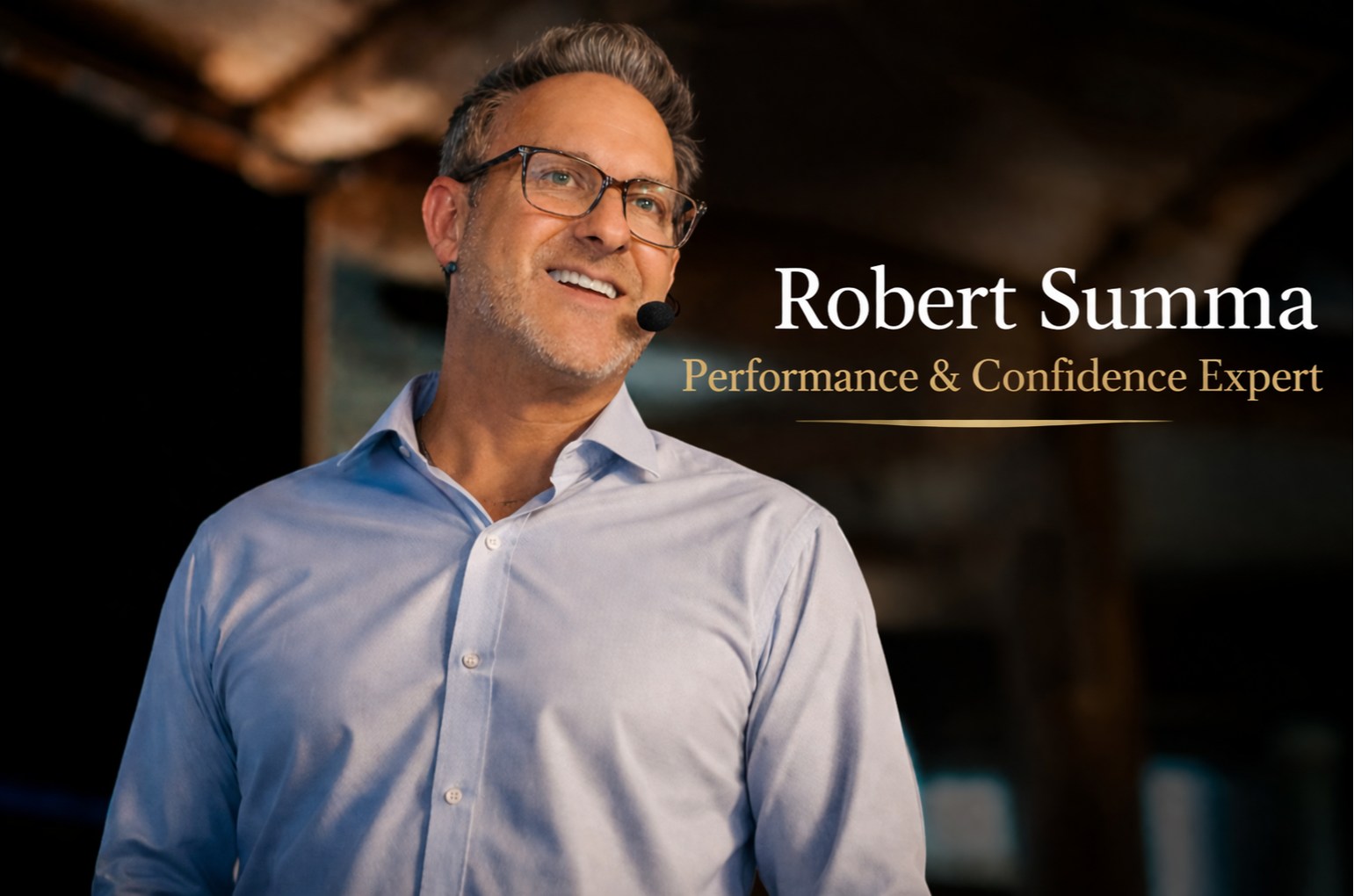
Media appearances represent the highest-stakes speaking scenario for most professionals: permanent record, mass audience, no reset. For someone with underlying public speaking phobia, the prospect of a television interview, podcast appearance, or recorded panel discussion does not produce ordinary nervousness. It produces the same threat response the brain generates for physical danger, calibrated to the extreme visibility of the situation.
Why Media Amplifies the Phobic Response
Public speaking phobia, at its clinical core, is a threat response to being observed and evaluated. Media appearances concentrate every dimension of that threat. The audience is invisible but theoretically unlimited. The performance is recorded and permanent. The stakes for professional reputation are real. Expert panels have no script. And unlike a prepared boardroom presentation, television formats include unpredictable questions, time pressure, and technical environments that remove the usual control mechanisms. For a person whose amygdala has classified speaking situations as dangerous, a media appearance is the maximum-threat version of the feared stimulus.
Who This Affects at the Executive Level
Senior executives, subject matter experts, academics, attorneys, and financial professionals are increasingly called upon for media commentary as their careers advance. The more prominent the role, the more frequently these invitations arrive. Many professionals decline indefinitely, citing scheduling conflicts or suggesting other colleagues. Some accept and suffer through appearances that feel far more difficult than the content justifies. A small number develop elaborate avoidance systems that constrain their professional visibility and public influence for years. Robert Summa, the only certified public speaking phobia specialist practicing in the United States, has worked with 750-plus executives navigating exactly this pattern.
The Difference Between Camera Shyness and Phobia
Being uncomfortable on camera is common. Most people look and sound less natural in a recorded format than they do in conversation. This is a skill gap, not a phobia, and it responds to coaching and repetition. Clinical media phobia is different in kind. The person does not feel awkward or unpracticed. They feel threatened. The physical symptoms, the anticipatory anxiety beginning days before the appearance, the mental blankness at the moment of maximum visibility, these are signs of a clinical phobic response, not a performance skill deficit. The treatment approach for each is entirely different.
Clinical Resolution vs. Media Training
Media training helps professionals look polished, manage message discipline, and handle common interview formats. It does not resolve phobia. A person with clinical public speaking phobia who goes through media training will look more prepared while experiencing the same internal threat response. Robert Summa's 99.6 percent success rate across more than 750 executive clients comes from addressing the phobia itself: recalibrating the threat classification so that the media appearance no longer activates the amygdala's danger signal. When that resolution occurs, media training can then be genuinely useful rather than cosmetically applied over an unresolved clinical condition.
About Robert Summa
Robert Summa is the only certified public speaking phobia specialist practicing in the United States.
He has worked with 750-plus executives, C-suite leaders, and professional athletes. His one-on-one coaching program carries a 99.6 percent success rate.
Your Next Step
Take the Fear Score Assessment
The Fear Score assessment identifies where your presentation anxiety falls on the clinical spectrum. Three minutes. No obligation. A clear starting point for understanding what you are dealing with.
GET YOUR FEAR SCORE NOWFrequently Asked Questions
Why is speaking on TV or in media so difficult for someone with a speaking phobia?
Media environments introduce additional phobia triggers beyond a live audience: cameras, on-air countdown pressure, the knowledge that the performance will be recorded and potentially replayed, and the lack of a natural exit. Each of these factors can amplify a baseline phobic response that might be manageable in a conference room.
What makes public speaking phobia different from ordinary nervousness?
Public speaking phobia is a clinical anxiety disorder triggered specifically by the prospect of speaking before others. Unlike ordinary nervousness that fades once a speech begins, phobia produces a sustained threat response that worsens with exposure and does not improve through repetition alone.
Is public speaking phobia treatable without medication?
Yes. Robert Summa's methodology combines cognitive behavioral techniques with hypnotherapy-informed neurological reconditioning. Clients achieve lasting results without medication, typically within a structured four-session program.
How is Robert Summa qualified to treat public speaking phobia?
Robert Summa is the only certified public speaking phobia specialist practicing in the United States. He has worked with 750-plus executives and professionals and maintains a 99.6 percent success rate across his one-on-one coaching clients.
You Are Not Alone, and You Are Not Stuck With It
Robert Summa is the only certified public speaking phobia specialist in the United States. 750+ executives cured. 99.6% success rate. HSA and FSA eligible.
GET YOUR FEAR SCORE NOWRobert Summa is a certified public speaking phobia specialist, not a licensed therapist or psychologist. The Public Speaking Cure program is an educational and skills-based coaching program. Results vary by individual. The 99.6 percent success rate reflects outcomes reported by one-on-one coaching clients.