Fear of Speaking at the Annual Shareholder Meeting
Shareholder meetings represent one of the highest-stakes public speaking moments for an executive. A public speaking phobia in this context does not just create discomfort. It creates reputational and financial risk.
GET YOUR FEAR SCORE NOW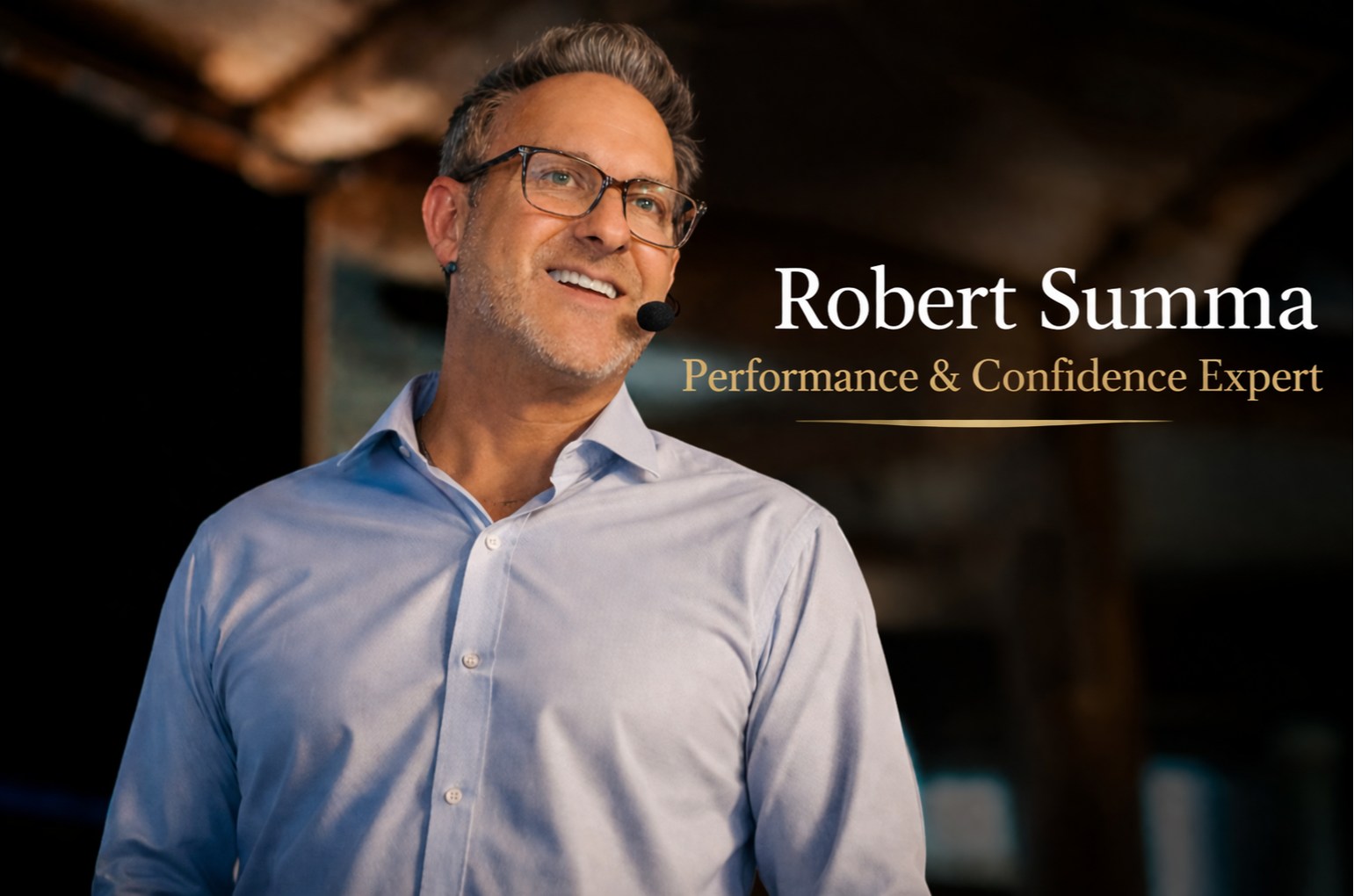
The annual shareholder meeting represents one of the highest-stakes speaking scenarios in corporate life. The audience includes institutional investors, activist shareholders, board members, media, and employees. The event is often recorded and publicly available. Every word is subject to legal and financial scrutiny. For executives with public speaking phobia, this event creates a level of anticipatory dread that can begin weeks in advance and dominate an entire quarter's worth of professional focus.
What Makes This Event Different
Most high-stakes speaking events for executives involve audiences that, while evaluative, are at least partially known and controllable. Shareholder meetings are different. The audience composition is not controlled by the company. Activist shareholders can ask aggressive questions that are not previewed in advance. The legal context means that responses have consequences beyond reputation. Proxy advisory firms and media amplify every misstep. For an executive whose amygdala has classified speaking-while-evaluated as dangerous, the shareholder meeting concentrates every dimension of the threat into a single, unavoidable, very public annual event.
The Anticipatory Period
Executives with public speaking phobia often describe the weeks before a shareholder meeting as a period of significant distress. The anticipatory anxiety, which begins with the amygdala predicting the threat before it arrives, creates a low-grade activation of the stress response that persists for weeks. Sleep is disrupted. Cognitive focus shifts toward threat monitoring. Preparation that should be content-focused becomes anxiety-management focused. The executive arrives at the event already physiologically activated, with a nervous system that has been in alert mode for weeks. Robert Summa, the only certified public speaking phobia specialist practicing in the United States, has worked with 750-plus executives through this pattern.
Preparation as Anxiety Management
Many CEOs and CFOs who carry public speaking phobia spend disproportionate time preparing for shareholder meetings relative to the actual complexity of what needs to be communicated. The over-preparation is not about content mastery. It is anxiety management: the belief that if they know every possible question and every possible answer, the threat response will not fire. For clinical phobia, this belief is incorrect. The amygdala classifies the situation, not the level of readiness. No amount of preparation changes the threat classification.
Clinical Resolution Changes Everything
Executives who have resolved their public speaking phobia through Robert Summa's clinical protocol report a qualitatively different experience of shareholder meetings: the event becomes a communications challenge rather than a survival event. The preparation is content-focused rather than anxiety-focused. The anticipatory period is ordinary professional preparation rather than weeks of dread. His 99.6 percent success rate across more than 750 executive clients reflects this kind of transformation. The Fear Score assessment is the starting point for determining whether clinical phobia is driving your experience of these high-stakes events.
About Robert Summa
Robert Summa is the only certified public speaking phobia specialist practicing in the United States.
He has worked with 750-plus executives, C-suite leaders, and professional athletes. His one-on-one coaching program carries a 99.6 percent success rate.
Your Next Step
Take the Fear Score Assessment
The Fear Score assessment identifies where your presentation anxiety falls on the clinical spectrum. Three minutes. No obligation. A clear starting point for understanding what you are dealing with.
GET YOUR FEAR SCORE NOWFrequently Asked Questions
How does speaking phobia affect executives at annual shareholder meetings?
Shareholder meetings require executives to speak with authority under public and media scrutiny. A phobia that produces visible distress, avoidance behaviors, or impaired recall in this setting is directly observable by investors, press, and board members, making the consequences more severe than in typical speaking situations.
What makes public speaking phobia different from ordinary nervousness?
Public speaking phobia is a clinical anxiety disorder triggered specifically by the prospect of speaking before others. Unlike ordinary nervousness that fades once a speech begins, phobia produces a sustained threat response that worsens with exposure and does not improve through repetition alone.
Is public speaking phobia treatable without medication?
Yes. Robert Summa's methodology combines cognitive behavioral techniques with hypnotherapy-informed neurological reconditioning. Clients achieve lasting results without medication, typically within a structured four-session program.
How is Robert Summa qualified to treat public speaking phobia?
Robert Summa is the only certified public speaking phobia specialist practicing in the United States. He has worked with 750-plus executives and professionals and maintains a 99.6 percent success rate across his one-on-one coaching clients.
You Are Not Alone, and You Are Not Stuck With It
Robert Summa is the only certified public speaking phobia specialist in the United States. 750+ executives cured. 99.6% success rate. HSA and FSA eligible.
GET YOUR FEAR SCORE NOWRobert Summa is a certified public speaking phobia specialist, not a licensed therapist or psychologist. The Public Speaking Cure program is an educational and skills-based coaching program. Results vary by individual. The 99.6 percent success rate reflects outcomes reported by one-on-one coaching clients.