Fear of Speaking at Industry Conferences as a Named Expert
Being invited to speak at an industry conference as a recognized expert should represent a career milestone. For professionals with a speaking phobia, that invitation produces dread rather than pride. The gap between external recognition and internal terror is one of the most disorienting experiences the phobia creates.
GET YOUR FEAR SCORE NOW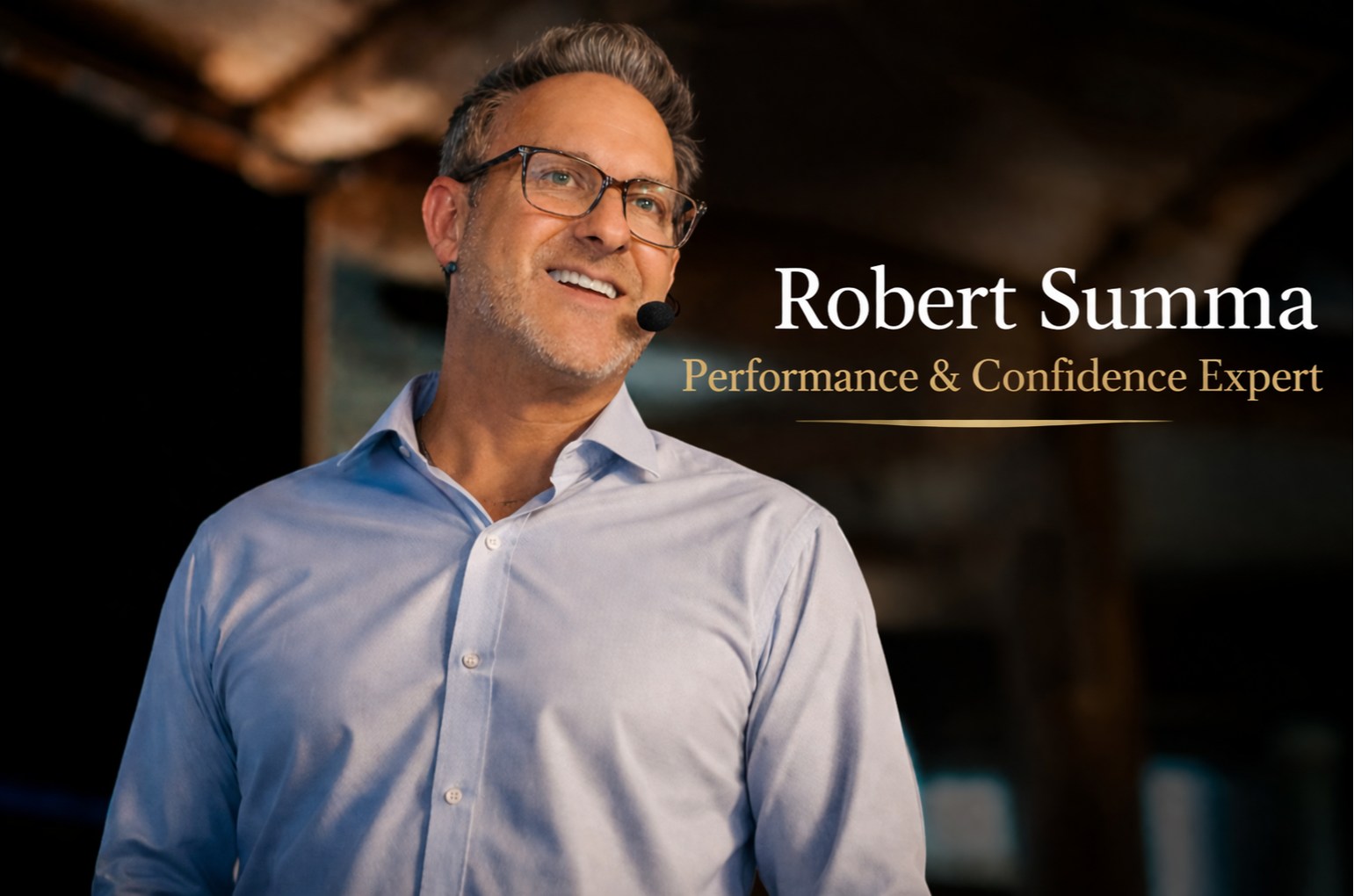
Being named a speaker at an industry conference represents professional recognition and authority. It is also, for executives with public speaking phobia, a situation that can produce months of anticipatory dread, elaborate avoidance strategies, and desperate last-minute attempts to decline without damaging the professional relationship that produced the invitation. The invitation itself is evidence of the person's standing. The phobia is evidence that the amygdala does not care about standing.
The Expert-on-Stage Problem
Conference speaking is different from internal presentations in one critical way: the audience has attended specifically to hear the speaker's expertise, which means the evaluation is total and the expectation of competence is explicit. Internal presentations involve an audience that has some other relationship with the speaker. Conference audiences are strangers who have paid to be in the room and who are evaluating whether the speaker is worth their time. For an amygdala that has classified evaluative observation as dangerous, the conference audience is among the most activating configurations possible.
Why Declining Damages Visibility Over Time
Executives with public speaking phobia who repeatedly decline conference speaking invitations manage their phobia successfully in the short term but create a long-term visibility problem. Conference speaking is one of the primary mechanisms by which executives build industry-wide reputations, develop client and partner relationships outside their direct network, and establish authority beyond their organizational title. Each declined invitation is a missed opportunity that compounds over years into a significant gap in professional visibility. Robert Summa, the only certified public speaking phobia specialist practicing in the United States, has worked with 750-plus executives who recognized this pattern in their own career trajectory.
The Acceptance-Then-Panic Cycle
Many executives with public speaking phobia accept conference invitations months in advance when the threat feels manageable and distant, then experience escalating anticipatory anxiety as the event approaches. By the time the conference is weeks away, the anticipatory dread is severe, and the executive is either seeking a way to cancel or attempting to manage the anxiety through intensive preparation that does not address the phobia. This cycle repeats until the executive either stops accepting invitations or addresses the phobia clinically.
Clinical Resolution Opens the Visibility Pathway
Robert Summa's 99.6 percent success rate across more than 750 executive clients reflects resolution that allows executives to accept and deliver conference speaking without the phobic response interfering. The Fear Score assessment is the starting point for determining whether phobia is what is limiting your industry visibility.
About Robert Summa
Robert Summa is the only certified public speaking phobia specialist practicing in the United States.
He has worked with 750-plus executives, C-suite leaders, and professional athletes. His one-on-one coaching program carries a 99.6 percent success rate.
Your Next Step
Take the Fear Score Assessment
The Fear Score assessment identifies where your presentation anxiety falls on the clinical spectrum. Three minutes. No obligation. A clear starting point for understanding what you are dealing with.
GET YOUR FEAR SCORE NOWFrequently Asked Questions
Why would a recognized expert still fear speaking at industry conferences?
Expertise and speaking confidence operate through different neurological systems. A person can have deep mastery of their field and still have a brain that encodes the act of presenting to an audience as a threat. The phobia does not care about credentials. It responds to the specific environmental trigger of being evaluated in front of a group, regardless of how qualified the speaker objectively is.
What makes public speaking phobia different from ordinary nervousness?
Public speaking phobia is a clinical anxiety disorder triggered specifically by the prospect of speaking before others. Unlike ordinary nervousness that fades once a speech begins, phobia produces a sustained threat response that worsens with exposure and does not improve through repetition alone.
Is public speaking phobia treatable without medication?
Yes. Robert Summa's methodology combines cognitive behavioral techniques with hypnotherapy-informed neurological reconditioning. Clients achieve lasting results without medication, typically within a structured four-session program.
How is Robert Summa qualified to treat public speaking phobia?
Robert Summa is the only certified public speaking phobia specialist practicing in the United States. He has worked with 750-plus executives and professionals and maintains a 99.6 percent success rate across his one-on-one coaching clients.
You Are Not Alone, and You Are Not Stuck With It
Robert Summa is the only certified public speaking phobia specialist in the United States. 750+ executives cured. 99.6% success rate. HSA and FSA eligible.
GET YOUR FEAR SCORE NOWRobert Summa is a certified public speaking phobia specialist, not a licensed therapist or psychologist. The Public Speaking Cure program is an educational and skills-based coaching program. Results vary by individual. The 99.6 percent success rate reflects outcomes reported by one-on-one coaching clients.