Fear of Q&A: Why Questions Feel More Threatening Than the Presentation Itself
750+ executives helped. 99.6% success rate. Robert Summa is the only certified public speaking phobia specialist in the United States.
GET YOUR FEAR SCORE NOW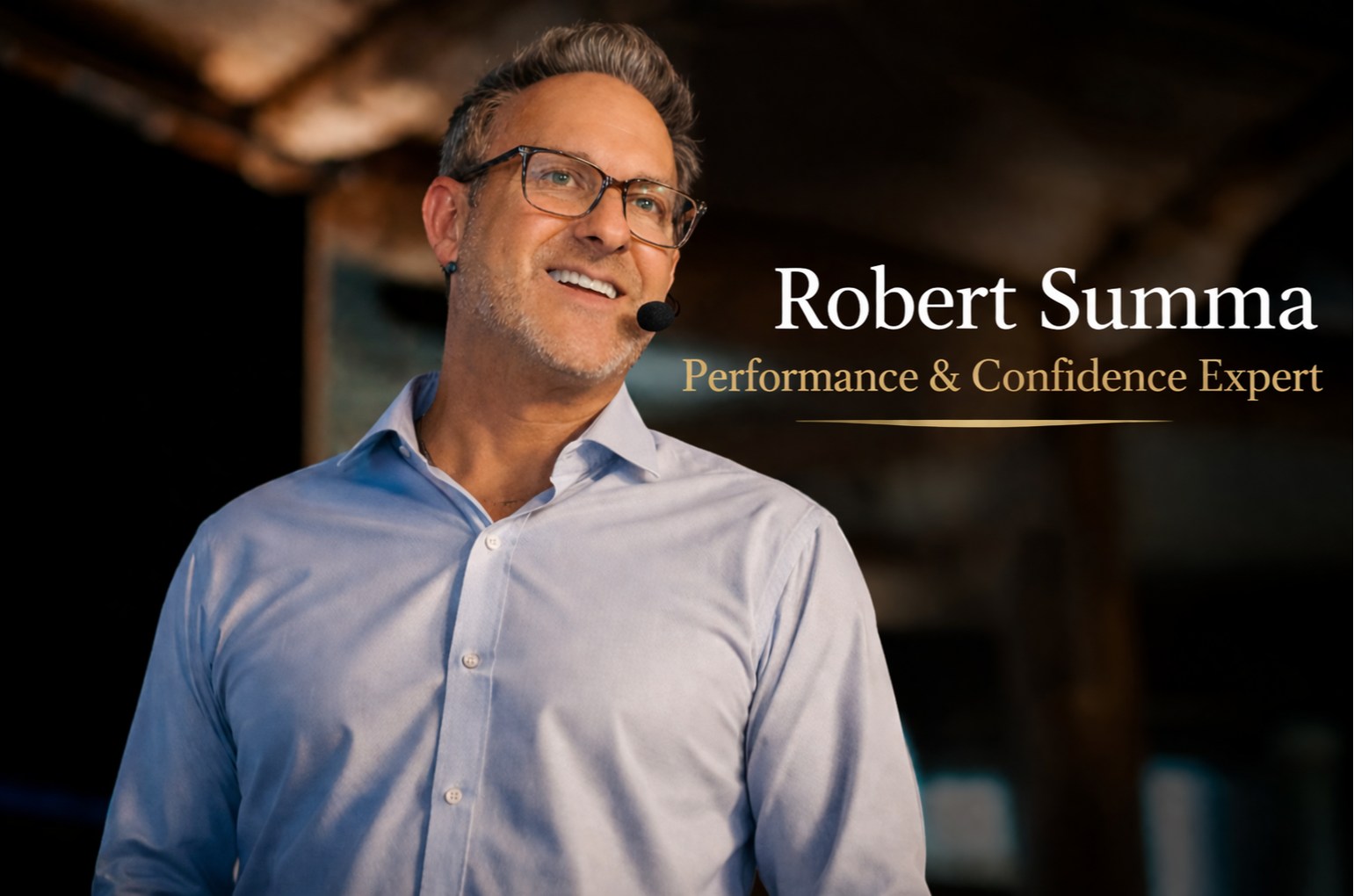
Many people with public speaking phobia find the Q&A segment more frightening than the prepared presentation. This is not irrational. The Q&A removes the safety of a script, introduces the unknown, and places the person in a position of sustained scrutiny. Robert Summa is the only certified public speaking phobia specialist in the United States, with 750-plus executives helped and a 99.6 percent success rate addressing this specific fear pattern.
Why the Prepared Presentation Feels Safer
In a prepared presentation, the person has control over the content. They know what they are going to say. The rehearsal provides a framework that the nervous system can lean on. The threat response activates, but the script provides a structure that limits the unpredictability. For some people with phobia, this is slightly less triggering than a completely open-ended situation.
What Makes Q&A More Threatening
Q&A introduces uncontrolled variables. The questions are unknown. The answers cannot be rehearsed. If the person does not know something, that exposure is public. The evaluation is ongoing and interactive rather than one-directional. For someone whose threat-detection system is already activated by the speaking context, the open-ended nature of Q&A removes the one element that made the prepared section tolerable, which is predictability.
The Scrutiny Factor
Q&A extends the period of sustained audience attention. The presentation ends. Q&A continues the exposure. For someone with a phobic response to being watched and evaluated, the Q&A keeps the danger signal running longer. There is no natural endpoint to retreat to. Each question is a fresh activation of the same threat response that has been running throughout the presentation. The cumulative physiological load is significant.
Why Knowing the Material Does Not Help
Executives with public speaking phobia frequently know their material extremely well. Their domain expertise is not in question. Yet in Q&A they may blank on information they use every day. This is the same mechanism as blanking during a prepared presentation. The fear response is suppressing retrieval from the prefrontal cortex. Knowledge is there. Access is disrupted. The problem is not expertise. It is the threat response interfering with retrieval.
How Phobia Treatment Addresses This
When the underlying phobia is treated and the threat response is retrained, the Q&A section loses its disproportionate threat status. The person is still being asked questions, but the nervous system is no longer producing a danger signal. Questions become what they actually are: a conversation about a topic they know. Clients who have avoided Q&A situations for years describe the change as one of the most significant shifts following treatment.
About Robert Summa
Robert Summa is the only certified public speaking phobia specialist practicing in the United States. He has worked with 750-plus executives and holds a 99.6 percent success rate. His program is HSA and FSA eligible and delivered via one-on-one coaching.
Your Next Step
If Q&A makes your fear spike beyond what a prepared presentation does, that pattern is consistent with clinical phobia. Find out where you stand.
GET YOUR FEAR SCORE NOWFrequently Asked Questions
Why is Q&A more frightening than the prepared presentation for someone with phobia?
Q&A removes the predictability of a script and introduces uncontrolled variables. For someone with public speaking phobia, the loss of a structured framework increases the unpredictability and the threat. The threat-detection system remains activated through sustained audience scrutiny without the support of a rehearsed structure.
Why do I blank on Q&A questions even when I know the material?
Blanking during Q&A is the same mechanism as blanking during a prepared presentation. The fight-or-flight response diverts neurological resources away from the prefrontal cortex, disrupting language retrieval. The expertise is present. The threat response is blocking access to it.
Can treating public speaking phobia help with fear of Q&A?
Yes. When the underlying phobia is treated and the threat response is retrained, Q&A no longer generates a disproportionate danger signal. Clients who have avoided Q&A situations for years describe being able to answer questions naturally after treatment. Robert Summa is the only certified public speaking phobia specialist practicing in the United States.
Is fear of Q&A a sign of public speaking phobia?
Fear of Q&A that is disproportionate to the situation, especially when combined with involuntary physiological symptoms, is consistent with clinical public speaking phobia. The open-ended nature of Q&A intensifies the exposure that defines the phobic trigger. A clinical evaluation can determine whether the fear is phobia-based.
Choose the Specialist Built for This Exact Problem
Robert Summa is the only certified public speaking phobia specialist in the United States. 750-plus executives served. 99.6 percent success rate. HSA and FSA eligible.
GET YOUR FEAR SCORE NOWRobert Summa is a certified public speaking phobia specialist, not a licensed therapist or psychologist. The Public Speaking Cure program is an educational and skills-based coaching program. Results vary by individual. The 99.6 percent success rate reflects outcomes reported by one-on-one coaching clients.