Fear of Keynote and Conference Speaking: When the Biggest Stage Triggers the Phobia
A keynote invitation should feel like recognition. For executives with a public speaking phobia, it feels like a countdown. Robert Summa is the only certified public speaking phobia specialist in the United States. 750+ executives cured. 99.6% success rate.
GET YOUR FEAR SCORE NOW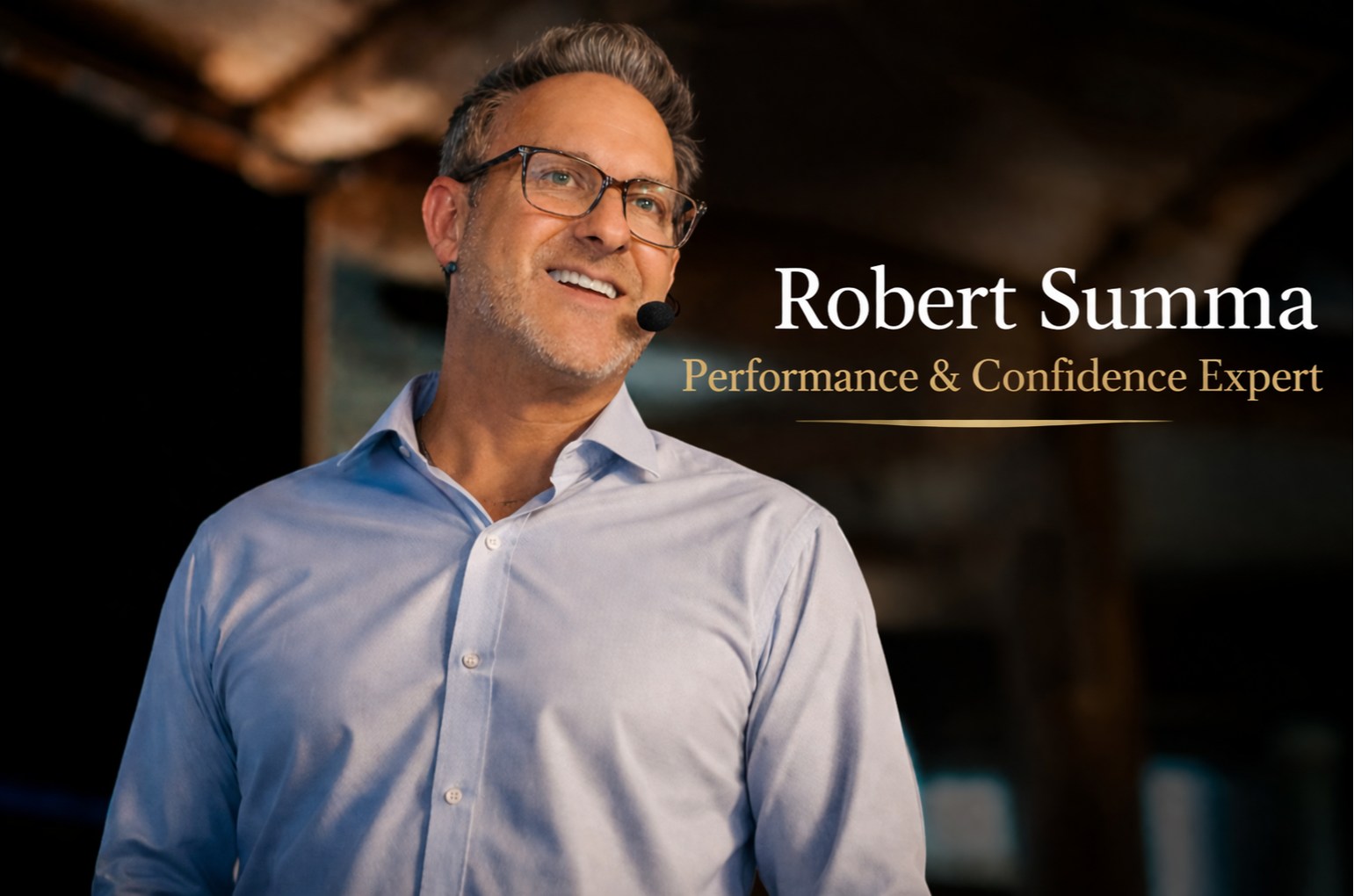
Fear of keynote and conference speaking that leads to quietly declining invitations is most likely a public speaking phobia, not ordinary nerves. The large-stage format combines maximum visibility, a large audience, and high stakes, which is exactly the threat profile that fires the phobia hardest. Clinical treatment permanently eliminates the phobic response in 99.6 percent of cases within three to four weeks.
The Invitation You Cannot Say Yes To
Getting asked to keynote an industry conference is, on paper, a career milestone. It is a recognition of expertise and status. The organization wants you specifically because of what you have built, the perspective you carry, and the authority you represent in your field. For the large majority of executives who receive this kind of invitation, it comes with anticipation and maybe a manageable level of nerves.
For executives with a public speaking phobia, it comes with dread. The weeks and months between the acceptance and the event become a prolonged anxiety spiral. The more prepared you try to be, the more vivid the fear becomes. And the event itself, regardless of how it goes, does not resolve the underlying pattern. The phobia will be there for the next keynote, and the one after that.
Many executives in this situation quietly begin declining these invitations. They cite scheduling conflicts or competing priorities. The career cost compounds over time because keynote presence at industry events is one of the primary mechanisms by which executives build the kind of public profile that leads to board seats, advisory roles, and the next-level opportunities that require visibility at scale.
Why the Large-Stage Format Is Especially Difficult
The phobia fires hardest in situations that combine maximum visibility, a large audience, and high stakes. A keynote combines all three. The stage separates you physically from the audience. The room is designed to direct everyone's attention to a single point, which is you. The content will often be recorded and distributed. The expectation is that you will perform at a level that justifies the invitation.
This is exactly the threat profile that the amygdala reads as maximum danger. The response is not proportionate to the actual risk. It is proportionate to the phobia's internal model of what is at stake. And no amount of rehearsal or preparation changes that model, because the model is neurological, not cognitive.
Eliminating the Phobia Before the Next Keynote Invitation
Robert Summa is the only certified public speaking phobia specialist practicing in the United States. He is LinkedIn's trusted public speaking phobia specialist, and has worked with many of LinkedIn's top-performing CEOs, COOs, EVPs, and industry leaders who faced this exact situation. His CBT-based clinical program permanently eliminates the phobic response in 99.6 percent of 750-plus executive clients within three to four weeks. The program is HSA and FSA eligible. After elimination, the keynote stage becomes what it should always have been: an opportunity to speak from a position of genuine expertise without a neurological override competing with the message.
Find Out What Is Behind the Fear
The quiz takes 30 seconds and tells you whether you have a phobia, ordinary nerves, or something in between, and what will actually resolve it.
GET YOUR FEAR SCORE NOWCommon Questions
I have spoken publicly for years. Why is the fear not getting better with experience?
Because experience reduces the fear of novel situations but does not retrain the amygdala when a phobia is present. If the same situations continue to trigger the same disproportionate response over years, the pattern is a phobia, not inexperience. Clinical treatment is what changes it.
How long does the treatment take?
Most clients permanently eliminate the phobia within three to four weeks through Robert Summa's one-on-one CBT-based program. The program is available remotely.
Is this different from working with a speech coach?
Completely different. A speech coach improves technique and delivery. Clinical phobia treatment eliminates the neurological pattern that fires regardless of technique. After the phobia is gone, presentation quality develops from a stable foundation instead of being undermined by an override the speaker cannot control.
Is the program covered by HSA or FSA?
Yes. The Public Speaking Cure is HSA and FSA eligible because it is clinical treatment for a diagnosed phobia, not a coaching or presentation skills program.
Say Yes to the Next Keynote Invitation
Robert Summa is the only certified public speaking phobia specialist in the United States. 750+ executives cured. 99.6% success rate. HSA and FSA eligible.
GET YOUR FEAR SCORE NOWRobert Summa is a certified public speaking phobia specialist, not a licensed therapist or psychologist. The Public Speaking Cure program is an educational and skills-based coaching program. Results vary by individual. The 99.6 percent success rate reflects outcomes reported by one-on-one coaching clients.