Fear of Congressional or Senate Testimony
Congressional and Senate testimony places executives and experts in one of the most high-stakes speaking environments that exists: public, adversarial, recorded, and consequential. For anyone with a speaking phobia, preparation alone does not resolve what happens neurologically when the moment arrives.
GET YOUR FEAR SCORE NOW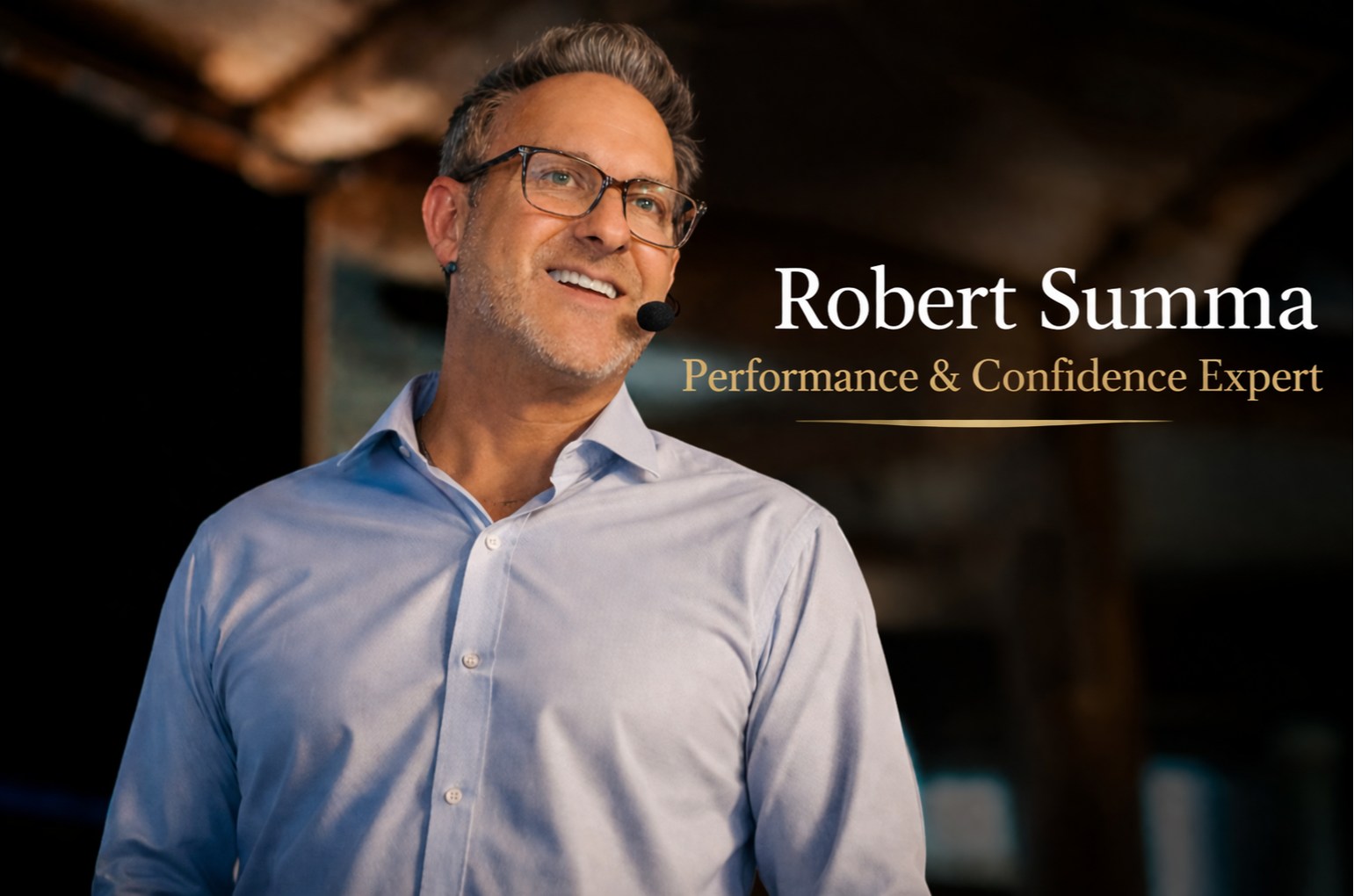
Congressional and Senate testimony represents one of the most extreme public speaking scenarios an executive will ever face. The audience includes elected officials with subpoena power and investigative authority. The proceedings are on the record and often televised. Legal consequences can follow from a misstatement. Expert staff are prepared to challenge every claim. For executives who carry public speaking phobia, the anticipation of testimony can produce a level of dread that begins months in advance and dominates professional functioning.
The Compounding of Threat Dimensions
Most high-stakes speaking events for executives involve one or two elevated threat dimensions: a critical audience, high organizational stakes, or public visibility. Congressional testimony concentrates multiple threat dimensions simultaneously: the audience has institutional authority to compel attendance, ask any question, and pursue any line of inquiry; the record is permanent and public; the stakes include potential legal liability; expert adversarial preparation is standard; and the media may amplify any misstep. For an amygdala that has already classified speaking-while-evaluated as dangerous, testimony combines every dimension of the threat in a single, unavoidable event.
The Legal and Institutional Preparation Problem
Executives preparing for Congressional testimony typically spend weeks with legal counsel, communications teams, and government affairs specialists. The preparation is thorough, expert, and extensive. For executives with public speaking phobia, however, the preparation does not address the variable that is most likely to fail them: the amygdala's response to the live testimony context. No amount of legal briefing changes the threat classification. The preparation anxiety itself, sustained over weeks of intensive preparation under high-stakes conditions, can be more debilitating than the testimony. Robert Summa, the only certified public speaking phobia specialist practicing in the United States, has worked with 750-plus executives through patterns like this.
Why Testimony Is Different from Prepared Presentations
Most executive speaking involves some degree of content control: the executive prepares the material, structures the narrative, and anticipates the questions. Congressional testimony often involves aggressive unpredicted questions, long silences while committee members confer, and rapid pivots between topics. For a person with public speaking phobia, the loss of structural control adds an additional dimension of threat that intensifies the phobic response beyond what a prepared presentation would produce.
Clinical Preparation as the Foundation
Robert Summa's 99.6 percent success rate across more than 750 executive clients reflects recalibration of the phobic response as a precondition for effective performance in any high-stakes speaking context. When the amygdala no longer classifies the speaking situation as a survival threat, the executive can be present, responsive, and effective in testimony in a way that is not possible while the phobia remains active. The Fear Score assessment identifies whether phobia is the constraint that needs to be resolved before any other preparation.
About Robert Summa
Robert Summa is the only certified public speaking phobia specialist practicing in the United States.
He has worked with 750-plus executives, C-suite leaders, and professional athletes. His one-on-one coaching program carries a 99.6 percent success rate.
Your Next Step
Take the Fear Score Assessment
The Fear Score assessment identifies where your presentation anxiety falls on the clinical spectrum. Three minutes. No obligation. A clear starting point for understanding what you are dealing with.
GET YOUR FEAR SCORE NOWFrequently Asked Questions
How does public speaking phobia affect someone preparing for congressional testimony?
Congressional testimony is one of the most uncontrolled high-stakes speaking scenarios: the audience is hostile, the stakes are public record, and the speaker cannot control the pacing. For someone with a speaking phobia, the threat encoding activates independent of preparation. No amount of media training addresses the underlying neurological response. Resolving the phobia before the testimony date is the only intervention that changes what happens in the room.
What makes public speaking phobia different from ordinary nervousness?
Public speaking phobia is a clinical anxiety disorder triggered specifically by the prospect of speaking before others. Unlike ordinary nervousness that fades once a speech begins, phobia produces a sustained threat response that worsens with exposure and does not improve through repetition alone.
Is public speaking phobia treatable without medication?
Yes. Robert Summa's methodology combines cognitive behavioral techniques with hypnotherapy-informed neurological reconditioning. Clients achieve lasting results without medication, typically within a structured four-session program.
How is Robert Summa qualified to treat public speaking phobia?
Robert Summa is the only certified public speaking phobia specialist practicing in the United States. He has worked with 750-plus executives and professionals and maintains a 99.6 percent success rate across his one-on-one coaching clients.
You Are Not Alone, and You Are Not Stuck With It
Robert Summa is the only certified public speaking phobia specialist in the United States. 750+ executives cured. 99.6% success rate. HSA and FSA eligible.
GET YOUR FEAR SCORE NOWRobert Summa is a certified public speaking phobia specialist, not a licensed therapist or psychologist. The Public Speaking Cure program is an educational and skills-based coaching program. Results vary by individual. The 99.6 percent success rate reflects outcomes reported by one-on-one coaching clients.