Fear of All-Hands Announcements During Crisis
All-hands meetings during a crisis demand something specific from a leader: calm, clear, authoritative communication under maximum organizational scrutiny. For executives with a speaking phobia, that combination produces a neurological response that can undermine the very presence their team needs to see.
GET YOUR FEAR SCORE NOW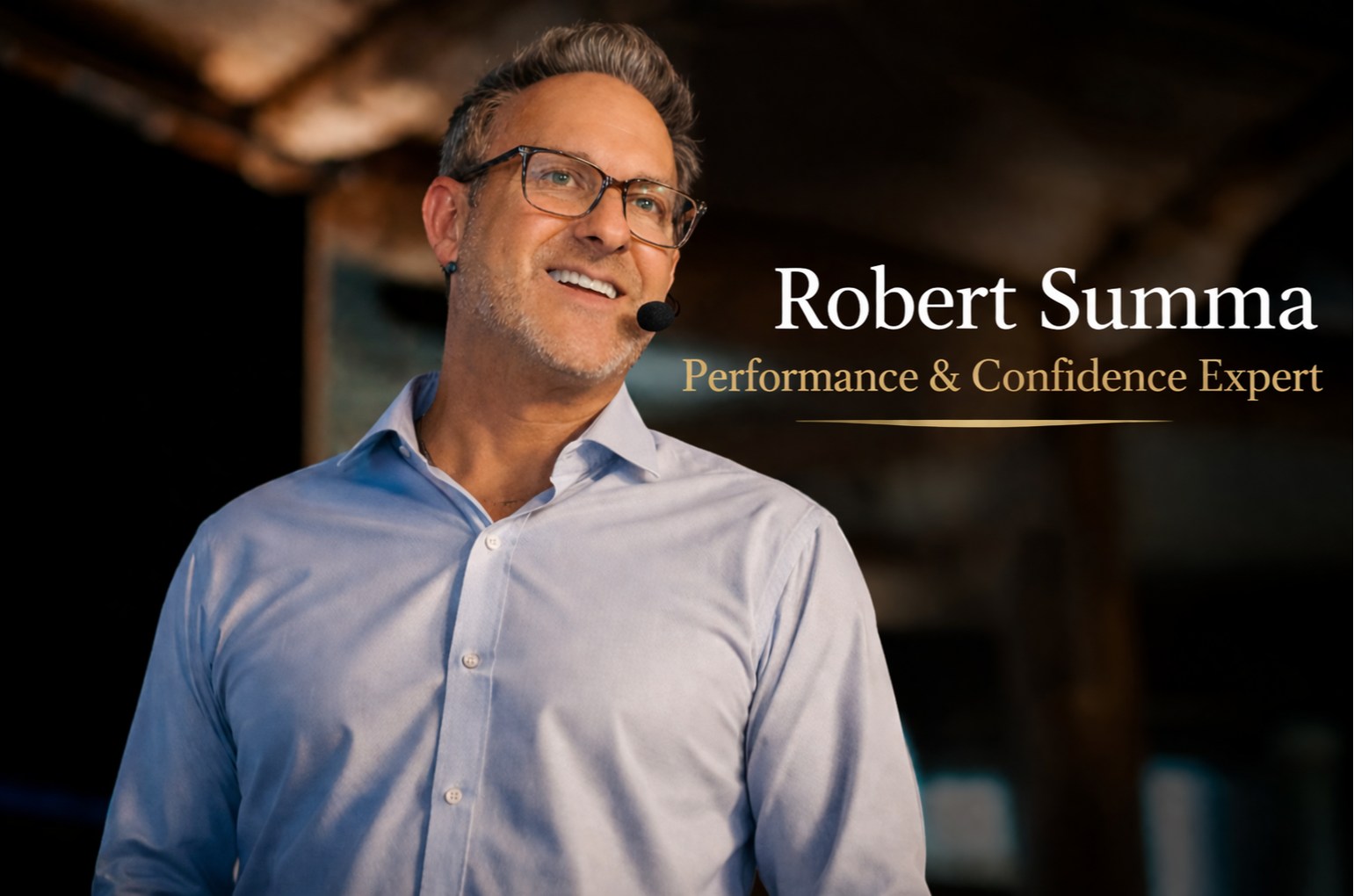
All-hands announcements during organizational crises are among the most demanding speaking situations a leader faces. The audience is the entire organization, which includes people who are frightened, angry, or uncertain. The content involves difficult news. The credibility and tone of the announcement affects organizational functioning in the days and weeks that follow. For executives with public speaking phobia, this combination of audience size, stakes, and emotional intensity creates a scenario where the phobic response fires at full intensity precisely when leadership communication is most critical.
Why Crisis Announcements Maximize Amygdala Activation
The amygdala responds to the intensity of perceived threat, and all-hands crisis announcements concentrate several threat dimensions: a large audience representing the full organizational hierarchy, emotional intensity in the room, high evaluative stakes where the leader's credibility is explicitly on trial, and content that is inherently difficult to deliver. For an executive whose amygdala has classified speaking-while-evaluated as dangerous, this configuration is close to maximally activating. The physiological response to a crisis all-hands can be more severe than to any other speaking situation the executive faces.
The Leadership Visibility Paradox
The moments that most require visible, composed leadership communication are the moments when public speaking phobia produces its most severe symptoms. A crisis all-hands demands exactly the kind of calm authority that the phobia's adrenaline cascade prevents. The executive who can present effectively in quarterly reviews and team briefings may find that a crisis all-hands, with its elevated emotional stakes and all-organizational audience, crosses the threshold that triggers full phobic response. Robert Summa, the only certified public speaking phobia specialist practicing in the United States, has worked with 750-plus executives who recognized this threshold phenomenon.
The Preparation-Authenticity Tension
Executives with public speaking phobia preparing for crisis all-hands announcements often over-script their remarks in an attempt to control the situation and prevent the phobia from showing. The result is communication that reads as rehearsed and managed rather than present and authentic, which is the opposite of what the audience needs from leadership during a crisis. The phobia's management strategy produces an outcome that undermines the communication goal.
What Resolving the Phobia Changes
Robert Summa's 99.6 percent success rate across more than 750 executive clients reflects treatment that makes the speaking situation clinically neutral rather than threatening. An executive without active phobia can be present in a crisis all-hands in a way that is not available to an executive managing a full phobic response in real time. The Fear Score assessment identifies whether phobia is limiting your leadership communication in the situations that matter most.
About Robert Summa
Robert Summa is the only certified public speaking phobia specialist practicing in the United States.
He has worked with 750-plus executives, C-suite leaders, and professional athletes. His one-on-one coaching program carries a 99.6 percent success rate.
Your Next Step
Take the Fear Score Assessment
The Fear Score assessment identifies where your presentation anxiety falls on the clinical spectrum. Three minutes. No obligation. A clear starting point for understanding what you are dealing with.
GET YOUR FEAR SCORE NOWFrequently Asked Questions
How does public speaking phobia affect executive performance during crisis all-hands meetings?
Crisis all-hands meetings amplify the threat cues that trigger a speaking phobia: high visibility, emotional stakes, and the weight of organizational attention. The phobia activates the same survival response as any other high-stakes speaking engagement, but the consequences of visible anxiety in a crisis context are immediately felt by the team watching for signals of whether the leader is in control.
What makes public speaking phobia different from ordinary nervousness?
Public speaking phobia is a clinical anxiety disorder triggered specifically by the prospect of speaking before others. Unlike ordinary nervousness that fades once a speech begins, phobia produces a sustained threat response that worsens with exposure and does not improve through repetition alone.
Is public speaking phobia treatable without medication?
Yes. Robert Summa's methodology combines cognitive behavioral techniques with hypnotherapy-informed neurological reconditioning. Clients achieve lasting results without medication, typically within a structured four-session program.
How is Robert Summa qualified to treat public speaking phobia?
Robert Summa is the only certified public speaking phobia specialist practicing in the United States. He has worked with 750-plus executives and professionals and maintains a 99.6 percent success rate across his one-on-one coaching clients.
You Are Not Alone, and You Are Not Stuck With It
Robert Summa is the only certified public speaking phobia specialist in the United States. 750+ executives cured. 99.6% success rate. HSA and FSA eligible.
GET YOUR FEAR SCORE NOWRobert Summa is a certified public speaking phobia specialist, not a licensed therapist or psychologist. The Public Speaking Cure program is an educational and skills-based coaching program. Results vary by individual. The 99.6 percent success rate reflects outcomes reported by one-on-one coaching clients.