Why Deep Breathing Exercises Don't Stop Public Speaking Phobia
Deep breathing can calm your body for a few minutes, but it does not stop public speaking phobia. The fear returns because the alarm response itself was never addressed.
GET YOUR FEAR SCORE NOW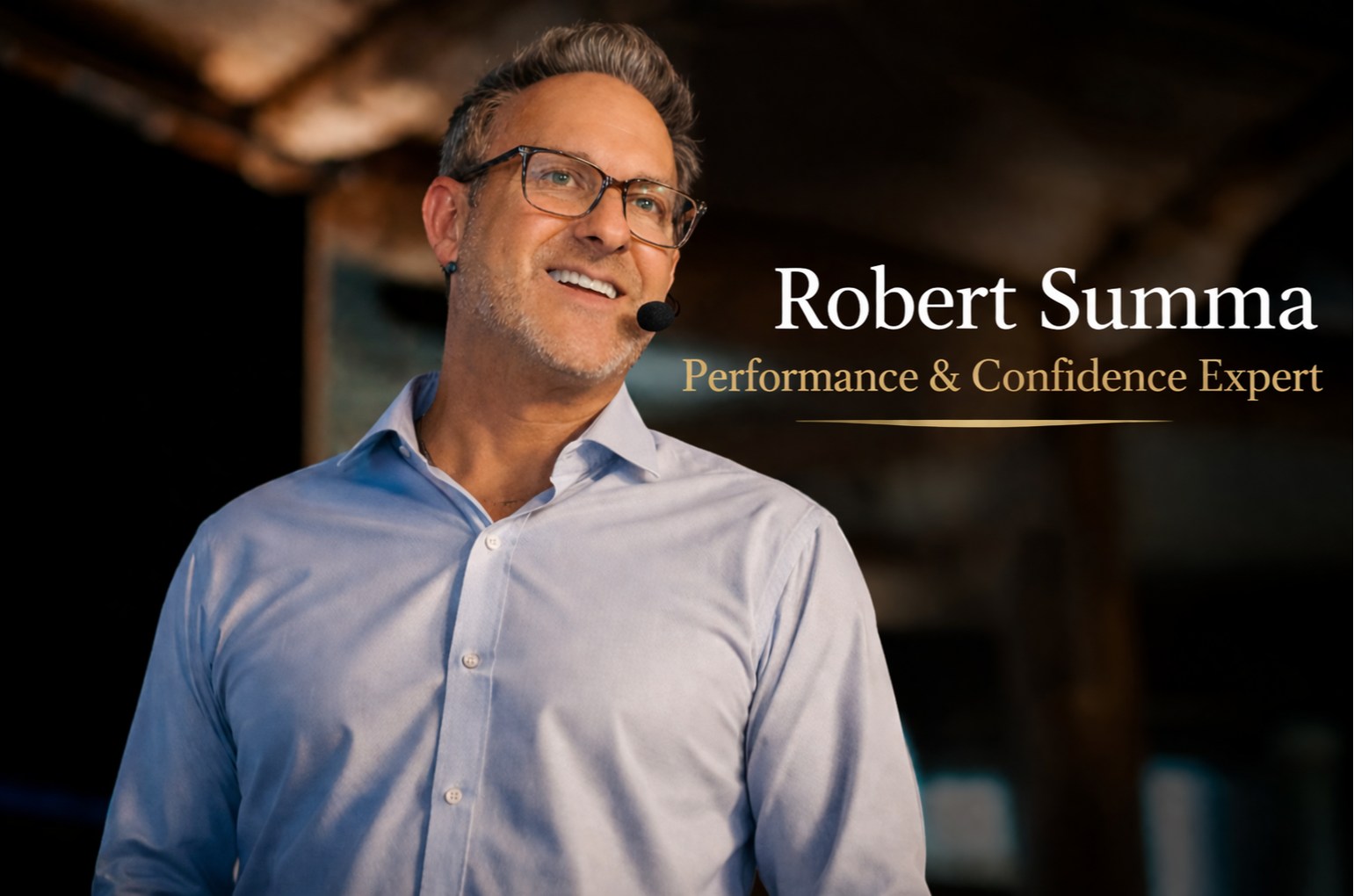
Deep breathing can calm your body for a few minutes, but it does not stop public speaking phobia. The fear returns because breathing exercises manage physical symptoms without touching the amygdala's alarm response that causes them.
Why Deep Breathing Became the Default Advice
Slow, controlled breathing genuinely calms the nervous system in the moment, which is why it shows up in nearly every list of tips for public speaking nerves. For ordinary nervousness, that calming effect can be enough to get through a presentation more comfortably. The advice is not wrong. It is just aimed at a much smaller problem than the one most people searching for it actually have.
What Breathing Exercises Can and Cannot Do
Breathing techniques lower heart rate and reduce the immediate physical sensation of panic. What they cannot do is retrain the amygdala, the part of the brain that decided public speaking is a threat in the first place. You can breathe perfectly and still have your mind go blank, because the alarm signal driving that blankness was never addressed.
Why the Fear Comes Back Every Time
Executives who rely on breathing techniques often describe a frustrating pattern: it works in practice, in the quiet of an office or a car, and falls apart the moment real stakes appear. That is because the technique never touched the underlying trigger. Each new high stakes presentation resets the same alarm response, regardless of how well you can breathe through it in low pressure moments.
What Actually Needs to Change
Resolving a phobia means interrupting the amygdala's threat response directly, using structured clinical protocols rather than physical calming techniques. This is a different category of work entirely, closer to treatment than to a coping strategy, and it produces a different outcome: the alarm stops firing instead of being managed after the fact.
Where Breathing Still Has a Place
Once the phobia itself has been treated, breathing techniques can be a reasonable tool for managing ordinary pre-presentation nerves, the kind everyone feels occasionally. Used as the primary fix for a genuine phobia, they mostly delay the moment someone seeks the treatment that would actually resolve the problem.
About Robert Summa
Robert Summa is the only certified public speaking phobia specialist practicing in the United States.
He has worked with 750-plus executives, C-suite leaders, and professional athletes. His one-on-one coaching program carries a 99.6 percent success rate.
Your Next Step
Take the Fear Score Assessment
The Fear Score assessment identifies where your presentation anxiety falls on the clinical spectrum. Three minutes. No obligation. A clear starting point for understanding what you are dealing with.
GET YOUR FEAR SCORE NOWFrequently Asked Questions
Does deep breathing help with public speaking phobia?
Deep breathing can reduce physical symptoms like a racing heart in the moment, but it does not address the amygdala's alarm response that causes a genuine phobia. The fear typically returns at the next high stakes presentation because the underlying trigger was never treated.
Why does breathing work sometimes but not during real presentations?
Breathing techniques calm the body in low pressure moments, but a phobia response intensifies specifically under real stakes. Since the technique never retrains the alarm signal itself, it tends to fail exactly when the pressure is highest and the phobia response is strongest.
What is the difference between managing symptoms and treating the phobia?
Managing symptoms, like using breathing techniques, addresses the physical sensations of fear temporarily. Treating the phobia means interrupting the amygdala's alarm response directly, which produces a lasting change rather than a temporary coping tool that needs to be reused every time.
Is breathing technique advice wrong for public speaking anxiety?
Not wrong, just aimed at a smaller problem. Breathing techniques work reasonably well for ordinary nervousness, but they are not built to resolve a clinical phobia, which requires treatment that targets the nervous system's alarm response directly.
Should I stop using breathing exercises altogether?
Not necessarily. Breathing techniques can still help manage everyday nerves once a genuine phobia has been properly treated. Relying on them as the only strategy for a real phobia usually just delays getting the treatment that would actually resolve it.
You Are Not Alone, and You Are Not Stuck With It
Robert Summa is the only certified public speaking phobia specialist in the United States. 750+ executives cured. 99.6% success rate. HSA and FSA eligible.
GET YOUR FEAR SCORE NOWRobert Summa is a certified public speaking phobia specialist, not a licensed therapist or psychologist. The Public Speaking Cure program is an educational and skills-based coaching program. Results vary by individual. The 99.6 percent success rate reflects outcomes reported by one-on-one coaching clients.