Cortisol and Adrenaline in Public Speaking: What Each Does
The physical experience of public speaking phobia is driven by two distinct hormones working in sequence. Understanding what cortisol and adrenaline each do during a speaking event explains why the fear feels so total and why it cannot be reasoned away in the moment.
GET YOUR FEAR SCORE NOW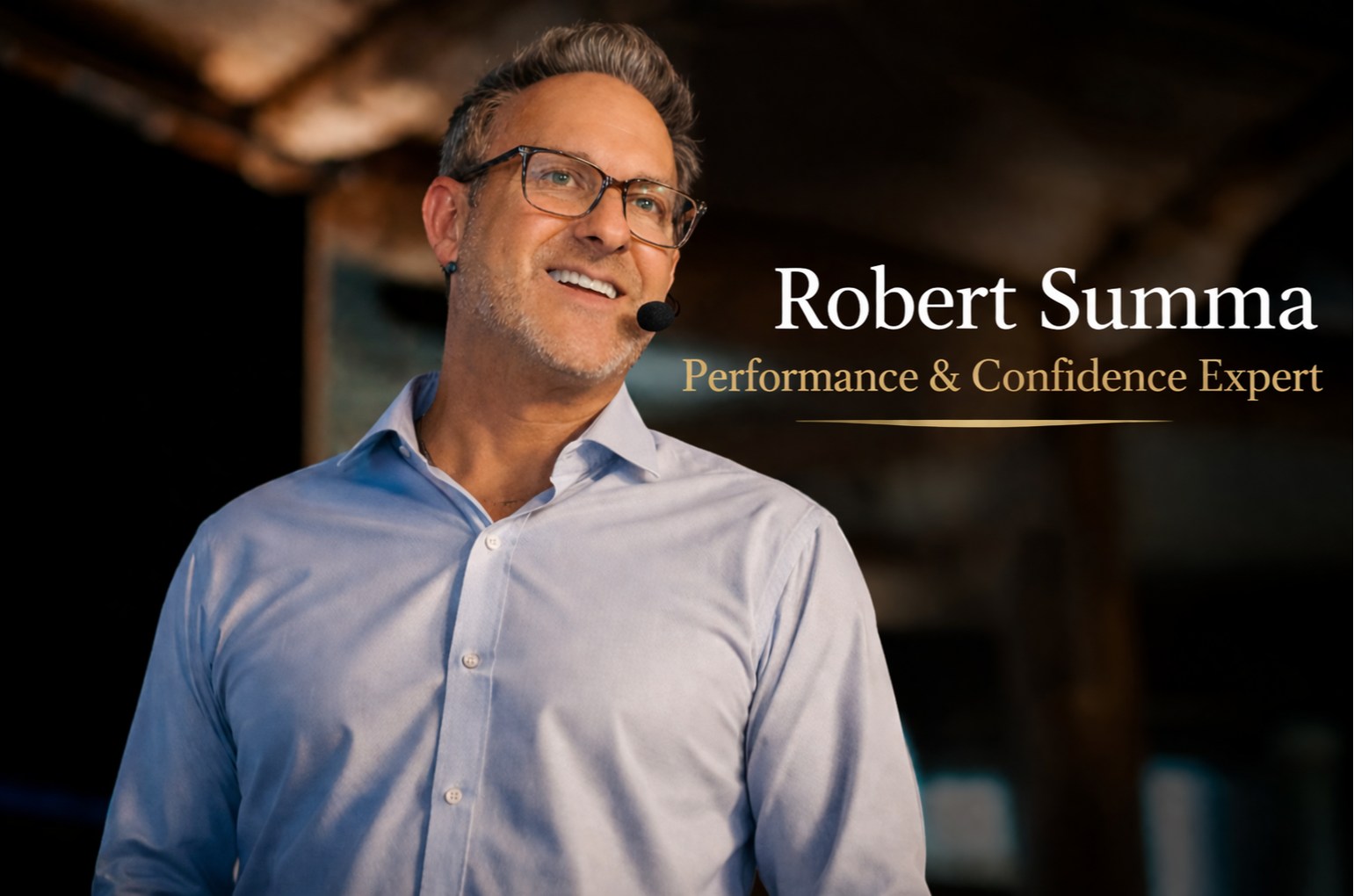
Two hormones do most of the physiological work in a public speaking phobia response: adrenaline and cortisol. They operate on different timescales and produce different effects, but both are initiated by the amygdala's threat classification. Understanding what each hormone does explains why the experience of public speaking phobia is so physically severe and why it can persist long after the presentation itself has ended.
Adrenaline: The Immediate Response
Adrenaline, also called epinephrine, is released within seconds of the amygdala initiating the threat response. It is responsible for the most acute physical symptoms of public speaking phobia: rapid heart rate, increased blood pressure, visible hand tremor, voice changes, dry mouth, and the sensation of the heart pounding. These symptoms are the body's preparation for physical action. Adrenaline increases blood flow to large muscle groups, sharpens fast-twitch response, and reduces the priority of non-survival functions. In a genuine physical threat, these effects are life-saving. In a presentation to a board of directors, they are physiologically appropriate to a threat that does not require physical survival, which is why they feel so disabling.
Cortisol: The Sustained Response
Cortisol is a stress hormone that operates on a longer timescale than adrenaline. It is released by the adrenal glands in response to ongoing threat signals and sustains the stress response over minutes to hours. For people with public speaking phobia, cortisol contributes to the anticipatory period: the days or weeks of low-grade dread before a major speaking event. Elevated cortisol over extended periods affects sleep quality, concentration, immune function, and cognitive performance. Executives who describe a sustained period of disruption before major presentations, followed by significant relief afterward, are describing the cortisol arc of the chronic stress response. Robert Summa, the only certified public speaking phobia specialist practicing in the United States, has worked with 750-plus executives who recognized this pattern immediately when it was described to them.
What Happens After the Presentation
Once the acute phobic event passes and the immediate threat signal resolves, the adrenaline level drops relatively quickly. Cortisol takes longer to clear. This is why many people with public speaking phobia report feeling exhausted, somewhat depleted, or emotionally flat in the hours after a major presentation, even when it went well. The body spent significant hormonal resources on the survival response and is returning to baseline.
Why Hormonal Understanding Matters for Treatment
Understanding the hormonal mechanisms of phobia clarifies why behavioral and cognitive tools do not reach the root of the problem. The hormones are responding to the amygdala's threat classification. Clinical treatment recalibrates that classification, which changes the hormonal response downstream. Robert Summa's 99.6 percent success rate across more than 750 executive clients reflects this recalibration achieved consistently. The Fear Score assessment determines whether the physical experience you are having during presentations is consistent with this kind of hormonal stress response.
About Robert Summa
Robert Summa is the only certified public speaking phobia specialist practicing in the United States.
He has worked with 750-plus executives, C-suite leaders, and professional athletes. His one-on-one coaching program carries a 99.6 percent success rate.
Your Next Step
Take the Fear Score Assessment
The Fear Score assessment identifies where your presentation anxiety falls on the clinical spectrum. Three minutes. No obligation. A clear starting point for understanding what you are dealing with.
GET YOUR FEAR SCORE NOWFrequently Asked Questions
What role do cortisol and adrenaline play in public speaking phobia?
Adrenaline triggers the immediate fight-or-flight response: elevated heart rate, redirected blood flow, and heightened sensory alertness. Cortisol sustains the alarm state and, in a person with public speaking phobia, begins flooding the system days or weeks before the speaking event itself. Together they create a physiological state that overwhelms rational thought and makes the body behave as if the presentation is a survival emergency.
What makes public speaking phobia different from ordinary nervousness?
Public speaking phobia is a clinical anxiety disorder triggered specifically by the prospect of speaking before others. Unlike ordinary nervousness that fades once a speech begins, phobia produces a sustained threat response that worsens with exposure and does not improve through repetition alone.
Is public speaking phobia treatable without medication?
Yes. Robert Summa's methodology combines cognitive behavioral techniques with hypnotherapy-informed neurological reconditioning. Clients achieve lasting results without medication, typically within a structured four-session program.
How is Robert Summa qualified to treat public speaking phobia?
Robert Summa is the only certified public speaking phobia specialist practicing in the United States. He has worked with 750-plus executives and professionals and maintains a 99.6 percent success rate across his one-on-one coaching clients.
You Are Not Alone, and You Are Not Stuck With It
Robert Summa is the only certified public speaking phobia specialist in the United States. 750+ executives cured. 99.6% success rate. HSA and FSA eligible.
GET YOUR FEAR SCORE NOWRobert Summa is a certified public speaking phobia specialist, not a licensed therapist or psychologist. The Public Speaking Cure program is an educational and skills-based coaching program. Results vary by individual. The 99.6 percent success rate reflects outcomes reported by one-on-one coaching clients.