Can Public Speaking Phobia Cause Physical Illness?
The physical symptoms of public speaking phobia are not imagined. They are the direct result of a sustained neurological stress response, and in chronic cases they can accumulate into measurable health consequences over time.
GET YOUR FEAR SCORE NOW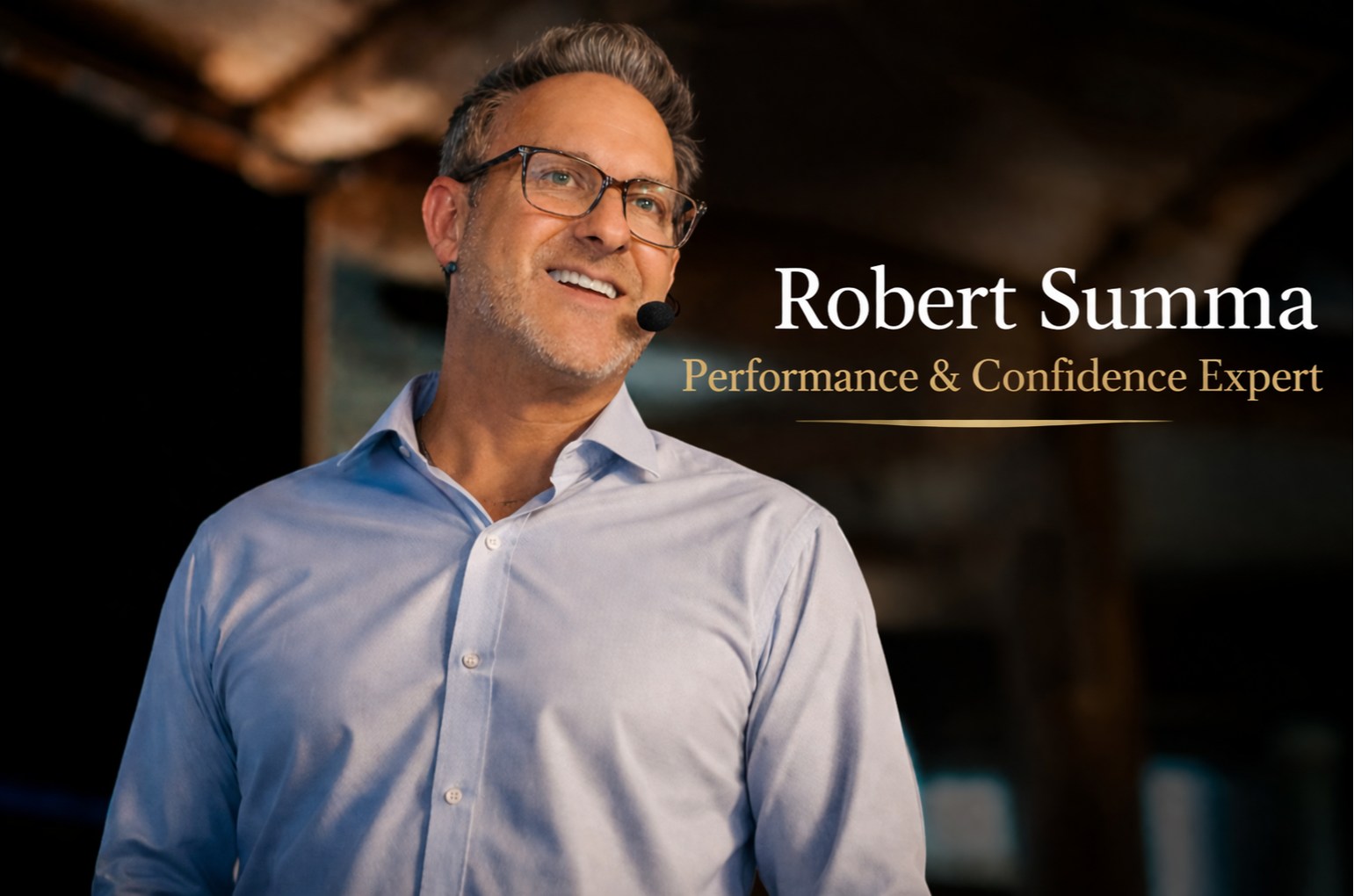
Public speaking phobia does not stay in the mind. The physical symptoms are real, measurable, and in chronic cases, clinically significant. Executives who white-knuckle through years of high-stakes presentations often accumulate a physical toll that goes far beyond pre-speech jitters. Understanding what the body is doing, and why, is the first step toward addressing the root cause.
What Happens in the Body During a Phobic Episode
When the amygdala detects a speaking situation as a threat, it triggers a cascade of physiological changes designed for physical survival. Adrenaline and cortisol flood the system. Heart rate accelerates. Blood pressure spikes. Muscles tense, particularly in the throat and chest. Digestion slows or stops entirely. Blood is redirected away from the prefrontal cortex toward the large muscle groups. The result is a person standing at a podium with a racing heart, shallow breath, shaking hands, a dry mouth, and a brain that is temporarily impaired for complex verbal communication.
Chronic Activation and Long-Term Health
For executives who face recurring high-stakes speaking situations, the issue is not a single acute episode but repeated activation of the stress response over years or decades. Chronic cortisol elevation is associated with immune suppression, cardiovascular strain, disrupted sleep, and cognitive impairment. The anticipatory anxiety that begins days or weeks before a major presentation means the body is not just stressed during the event. It is in a low-grade alert state for an extended period. This cumulative physiological burden is one reason experienced professionals sometimes describe their speaking phobia as getting worse over time, not better.
Nausea, GI Distress, and the Gut-Brain Axis
One of the most commonly reported but least discussed symptoms is gastrointestinal distress in the days or hours before a speaking engagement. Nausea, cramping, and urgency are all direct results of the stress response redirecting blood away from the digestive system. In some cases, the symptoms are severe enough to cause professionals to schedule meetings around proximity to restrooms or to avoid eating before presentations entirely. This is not psychosomatic in any dismissive sense. It is the body's legitimate response to what the brain has classified as a life-threatening event.
Voice and Vocal Cord Response
The larynx is particularly vulnerable to stress physiology. Muscle tension in the throat, combined with reduced saliva and altered breath patterns, produces the voice changes that are often the most socially visible symptom: cracking, thinning, or audible tremor. Some professionals experience complete voice loss at the moment of greatest stakes. This is not performance failure. It is a physical response to a classified threat, and it reinforces the phobia because the speaker experiences the voice loss as evidence that they cannot handle speaking situations.
Robert Summa's Clinical Approach to Physical Symptoms
Robert Summa, the only certified public speaking phobia specialist practicing in the United States, works with the physical symptom presentation directly within his clinical protocol. The goal is not to manage symptoms during presentations but to resolve the underlying threat classification so the body stops activating the stress response in speaking situations. His 99.6 percent success rate across 750-plus executive clients reflects outcomes where the physical symptoms resolved as a consequence of addressing the phobia itself, not through separate symptom management strategies.
About Robert Summa
Robert Summa is the only certified public speaking phobia specialist practicing in the United States.
He has worked with 750-plus executives, C-suite leaders, and professional athletes. His one-on-one coaching program carries a 99.6 percent success rate.
Your Next Step
Take the Fear Score Assessment
The Fear Score assessment identifies where your presentation anxiety falls on the clinical spectrum. Three minutes. No obligation. A clear starting point for understanding what you are dealing with.
GET YOUR FEAR SCORE NOWFrequently Asked Questions
What physical symptoms does public speaking phobia produce?
Public speaking phobia commonly produces rapid heart rate, sweating, trembling, nausea, dry mouth, and shortness of breath. In chronic cases where the phobia causes repeated cortisol surges, it can contribute to sleep disruption, elevated blood pressure, and immune suppression over time.
What makes public speaking phobia different from ordinary nervousness?
Public speaking phobia is a clinical anxiety disorder triggered specifically by the prospect of speaking before others. Unlike ordinary nervousness that fades once a speech begins, phobia produces a sustained threat response that worsens with exposure and does not improve through repetition alone.
Is public speaking phobia treatable without medication?
Yes. Robert Summa's methodology combines cognitive behavioral techniques with hypnotherapy-informed neurological reconditioning. Clients achieve lasting results without medication, typically within a structured four-session program.
How is Robert Summa qualified to treat public speaking phobia?
Robert Summa is the only certified public speaking phobia specialist practicing in the United States. He has worked with 750-plus executives and professionals and maintains a 99.6 percent success rate across his one-on-one coaching clients.
You Are Not Alone, and You Are Not Stuck With It
Robert Summa is the only certified public speaking phobia specialist in the United States. 750+ executives cured. 99.6% success rate. HSA and FSA eligible.
GET YOUR FEAR SCORE NOWRobert Summa is a certified public speaking phobia specialist, not a licensed therapist or psychologist. The Public Speaking Cure program is an educational and skills-based coaching program. Results vary by individual. The 99.6 percent success rate reflects outcomes reported by one-on-one coaching clients.