Beta Blockers for Public Speaking: Why They Don't Cure the Phobia
They quiet the shaking hands and the racing heart. They don't touch the part of your brain that started the alarm in the first place.
You take the beta blocker an hour before the board meeting. Your hands stop shaking. Your voice steadies. Your heart rate settles back into a normal range. For twenty minutes you feel almost like yourself again.
Then the meeting ends, the medication wears off, and the fear is sitting exactly where you left it, waiting for the next presentation, the next town hall, the next quarterly review.
A lot of senior executives land here. Propranolol and other beta blockers have become a quiet, common workaround for anyone whose hands shake or voice cracks under pressure. It is a reasonable first move when nothing else has worked. It is also treating the wrong system.
What Beta Blockers Actually Do
Beta blockers work by blocking adrenaline from binding to receptors in your heart and blood vessels. That is why your pulse slows, your hands stop trembling, and your voice stops wobbling. As a symptom manager in the moment, they do their job well.
But adrenaline is not the source of the fear. It is the downstream effect of something else firing first. Slowing the adrenaline response is like turning down the smoke alarm without putting out the fire underneath it.
Fear and Phobia Are Not the Same Problem
Most people feel some version of nerves before they present. That is ordinary fear, and it tends to ease with practice, repetition, and better preparation.
A phobia is different. It is a conditioned survival response. Somewhere along the way, your brain learned to treat a boardroom, a stage, or a Zoom call as an actual threat, the same category as physical danger. No amount of rehearsal turns that alarm off, because rehearsal was never built to reach it. And no pill turns it off either, because the pill only manages what the alarm produces downstream.
Why the Amygdala Doesn't Read the Label on the Bottle
The organ that starts this entire cascade is the amygdala. The moment it perceives a threat, being watched, being judged, being evaluated by people whose opinion matters to your career, it fires a survival alarm. That alarm shuts down the prefrontal cortex, the part of your brain responsible for clear thinking, word recall, and composure under pressure.
Beta blockers slow the physical symptoms that show up after that alarm fires. They do nothing to the alarm itself. The amygdala keeps firing every single time, medicated or not, which is why so many executives find themselves quietly dependent on a prescription just to get through the next talk.
Why Coaching and Preparation Run Into the Same Wall
Coaching, rehearsal, and better slides all work on the prefrontal cortex, the planning and structuring part of your brain. That is exactly why coaching helps people who are already fine on stage sharpen their delivery. It is also exactly why it does very little for someone whose amygdala hijacks the moment they stand up. You cannot out-prepare a threat response that lives in a completely different part of the brain than the one preparation touches.
What Actually Resolves a Public Speaking Phobia
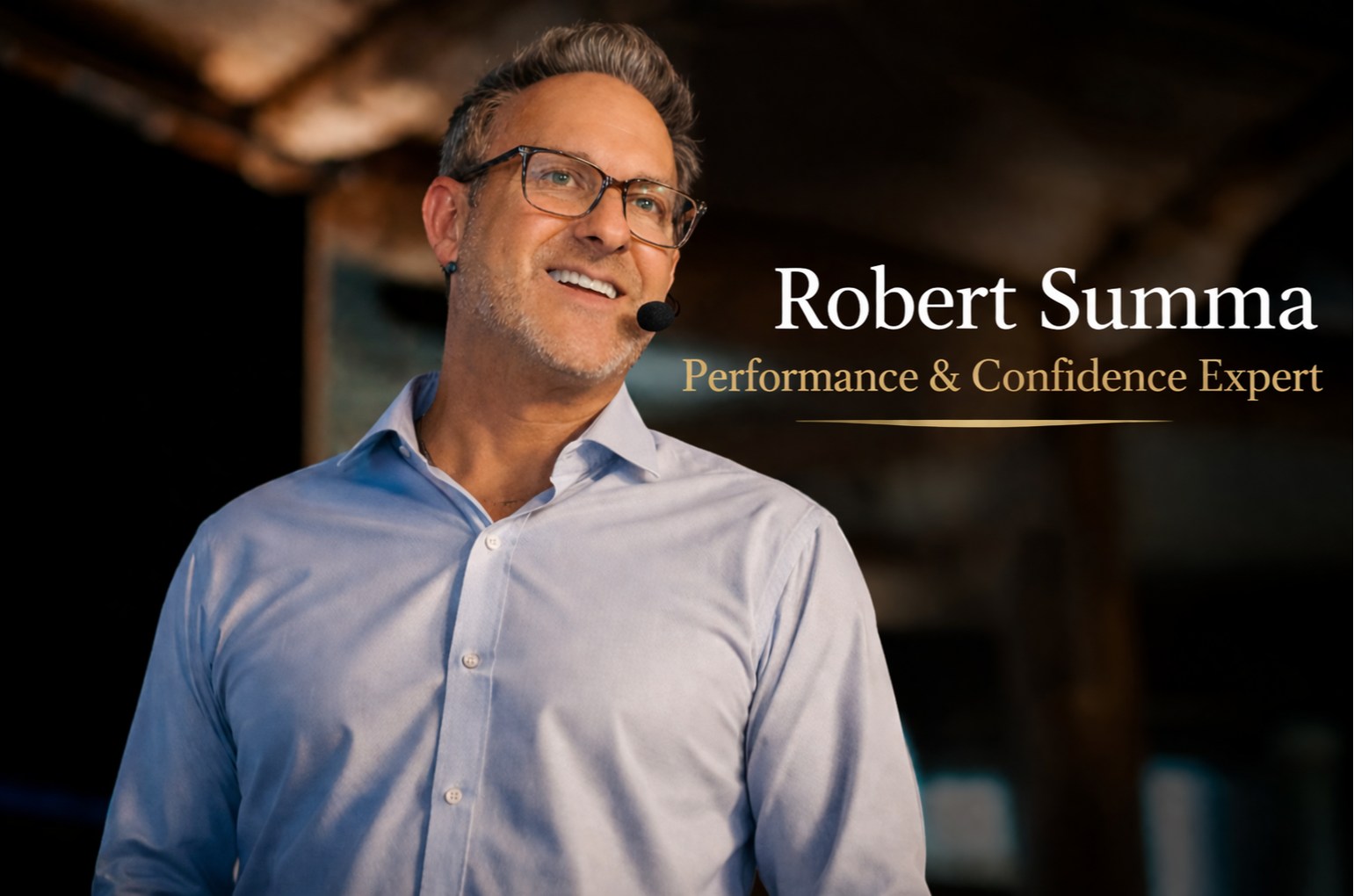
I am the only certified public speaking phobia and anxiety expert currently practicing in the United States. My work is CBT based treatment aimed directly at retraining the amygdala's response, not managing symptoms and not polishing a presentation.
I have worked with more than 750 clients. About 85 percent are VPs, C-suite executives, and board members, alongside athletes, coaches, politicians, authors, and entrepreneurs who all hit the same wall you have. Across that group, 99.2 percent eliminate the phobia, most within three to four weeks.
Treatment for a diagnosable phobia is typically eligible for HSA and FSA funds under IRS Code 502, since it is clinical treatment for a recognized condition rather than general coaching. Clients usually confirm the specifics with their plan administrator, but it is a common and accepted use of those funds. Right now there is roughly a four week waitlist to begin, which should tell you something about how many people are quietly dealing with exactly this.
If the Pill Is Just Buying You Time
There is nothing wrong with a beta blocker getting you through a rough Tuesday. But if you have been leaning on a prescription for every important talk and quietly dreading the one after that, the problem underneath it has not moved. I would be glad to talk it through with you.
Still reaching for a pill before every big talk?
Find out whether what you're dealing with is ordinary nerves or a phobia that needs real treatment.
GET YOUR FEAR SCORE NOWFrequently Asked Questions
Q: Do beta blockers cure public speaking phobia?
No. Beta blockers manage physical symptoms like a racing heart and shaking hands by blocking adrenaline receptors. They do not address the amygdala's threat response, which is the actual source of a public speaking phobia. Once the medication wears off, the underlying fear response is still fully intact.
Q: What is the difference between public speaking fear and public speaking phobia?
Fear is the normal nervousness most people feel before a presentation, and it usually eases with practice and preparation. A phobia is a conditioned survival response where the brain treats speaking in front of others as an actual threat. Phobia requires clinical treatment, not more rehearsal.
Q: Can I take beta blockers long term for presentations?
Some people use them for years without addressing the root cause, which means every important talk still requires medication to get through. That is a management strategy, not a resolution. Clinical treatment aimed at the amygdala is designed to remove the need for that dependency.
Q: Is public speaking phobia treatment covered by HSA or FSA?
In many cases yes. Treatment for a diagnosable phobia typically qualifies as a medical expense under IRS Code 502, which makes HSA and FSA funds usable for it. Clients should confirm specifics with their plan administrator, but this is a common and accepted use of those funds.
Q: How is Robert Summa's approach different from beta blockers or coaching?
Robert Summa is the only certified public speaking phobia and anxiety expert currently practicing in the United States, and his work is CBT based treatment aimed directly at the amygdala rather than symptom management or presentation skills. Most clients resolve the phobia in three to four weeks, with a 99.2 percent success rate across more than 750 clients.
The medication was never going to be the whole answer.
More than 750 clients have worked through this with Robert Summa, with a 99.2 percent success rate eliminating the phobia for good, most within three to four weeks.
GET YOUR FEAR SCORE NOWFind out what you're actually dealing with.
Robert Summa is the only certified public speaking phobia and anxiety expert currently practicing in the United States. Take a minute to get your fear score on the website and see where you stand.
GET YOUR FEAR SCORE NOW