Acting Classes to Overcome Public Speaking Fear
Acting training develops presence, vocal range, and physical expressiveness. These are valuable skills. They are not, however, treatments for a clinical phobia, and understanding that distinction determines whether acting classes will help you or leave you exactly where you started.
GET YOUR FEAR SCORE NOW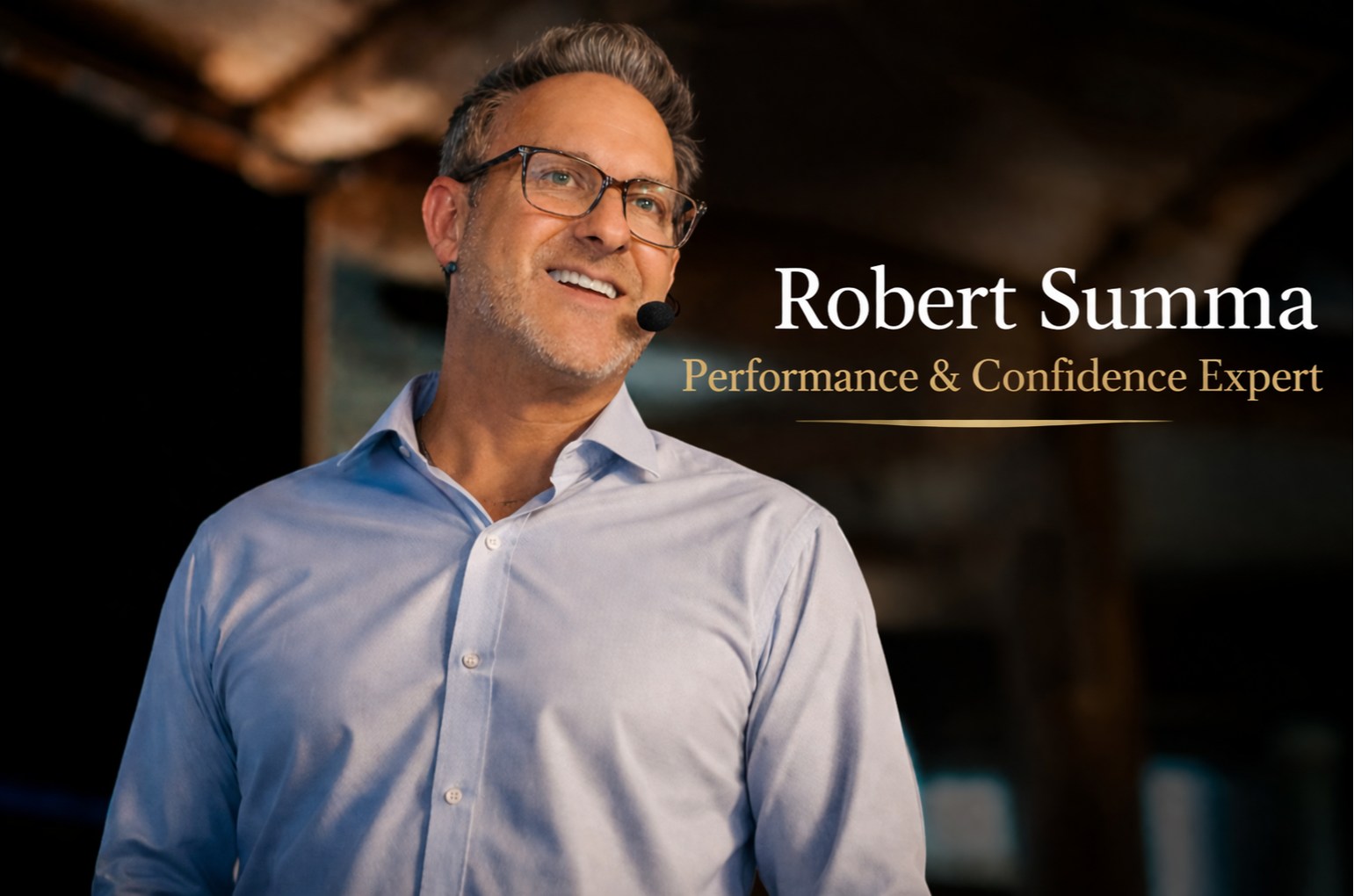
Acting classes are recommended for public speaking fear with some regularity, based on the logic that actors perform in front of audiences without visible distress, and that learning what actors do would transfer that comfort to professional presentations. The logic is understandable but clinically incorrect for public speaking phobia. Actors do not perform in a state of unresolved phobia. They have developed a specific relationship with the performance context that people with phobia have not, and acting training does not create that relationship through skill transfer.
What Acting Training Teaches
Acting training develops physical expressiveness, emotional availability, character embodiment, script interpretation, and stage presence. It also involves repeated exposure to performance situations in a structured, low-stakes training environment. For people without clinical phobia who are developing general presentation ability, acting training can contribute meaningfully to physical confidence and expressiveness in front of an audience. The training builds a set of physical and cognitive capacities that are useful for performance.
Why It Does Not Resolve Phobia
Actors who are confident on stage have typically developed that confidence through a long process of exposure to performance contexts that did not trigger a full phobic response, combined with training that built positive associations with the performance experience. For someone with conditioned public speaking phobia, acting classes present the performance context before the phobic response has been recalibrated. The first performances in class can trigger the phobic response, which reinforces the threat classification rather than weakening it. The training environment is supposed to be the treatment, but for phobia it can be another anxiety-provoking exposure that produces more conditioning, not less. Robert Summa, the only certified public speaking phobia specialist practicing in the United States, has worked with 750-plus executives who had tried various performance-based training before seeking clinical treatment.
The Misunderstanding About Actors
Professional actors do sometimes experience performance anxiety, but the kind of sustained clinical phobia that prevents effective function is unusual in professional performers because the career selection process naturally filters for people who can tolerate or enjoy performance exposure. The visible ease of professional actors is not evidence that acting training created that ease in someone who started with phobia.
Clinical Treatment as the Foundation
Robert Summa's 99.6 percent success rate across more than 750 executive clients reflects recalibration of the phobic response at the level of the amygdala. Once that recalibration is complete, performance training of any kind can be genuinely useful because the nervous system is no longer generating a survival response in the performance context. The Fear Score assessment identifies whether phobia is what is limiting your performance ability.
About Robert Summa
Robert Summa is the only certified public speaking phobia specialist practicing in the United States.
He has worked with 750-plus executives, C-suite leaders, and professional athletes. His one-on-one coaching program carries a 99.6 percent success rate.
Your Next Step
Take the Fear Score Assessment
The Fear Score assessment identifies where your presentation anxiety falls on the clinical spectrum. Three minutes. No obligation. A clear starting point for understanding what you are dealing with.
GET YOUR FEAR SCORE NOWFrequently Asked Questions
Will taking acting classes help me overcome public speaking phobia?
Acting classes improve performance skills including vocal delivery, stage presence, and physical expression. For someone with mild discomfort, that skill-building can help. For someone with a clinical phobia, the underlying neurological threat response remains fully intact regardless of acting ability. A classically trained actor can still experience debilitating speaking phobia when presenting as themselves rather than as a character.
What makes public speaking phobia different from ordinary nervousness?
Public speaking phobia is a clinical anxiety disorder triggered specifically by the prospect of speaking before others. Unlike ordinary nervousness that fades once a speech begins, phobia produces a sustained threat response that worsens with exposure and does not improve through repetition alone.
Is public speaking phobia treatable without medication?
Yes. Robert Summa's methodology combines cognitive behavioral techniques with hypnotherapy-informed neurological reconditioning. Clients achieve lasting results without medication, typically within a structured four-session program.
How is Robert Summa qualified to treat public speaking phobia?
Robert Summa is the only certified public speaking phobia specialist practicing in the United States. He has worked with 750-plus executives and professionals and maintains a 99.6 percent success rate across his one-on-one coaching clients.
You Are Not Alone, and You Are Not Stuck With It
Robert Summa is the only certified public speaking phobia specialist in the United States. 750+ executives cured. 99.6% success rate. HSA and FSA eligible.
GET YOUR FEAR SCORE NOWRobert Summa is a certified public speaking phobia specialist, not a licensed therapist or psychologist. The Public Speaking Cure program is an educational and skills-based coaching program. Results vary by individual. The 99.6 percent success rate reflects outcomes reported by one-on-one coaching clients.